
Best travel guide for canada 2026 usually comes down to one thing: helping you choose the right regions, timing, and logistics without turning your trip into a spreadsheet marathon.
If you’re traveling from the U.S., Canada can feel deceptively simple, same continent, familiar brands, English in many places, but the planning details matter, especially distances, weather swings, and peak-season pricing.
This guide focuses on decisions that actually move the needle: which areas fit your travel style, what to book early, how to build a realistic route, plus a few things Americans commonly miss when crossing the border.
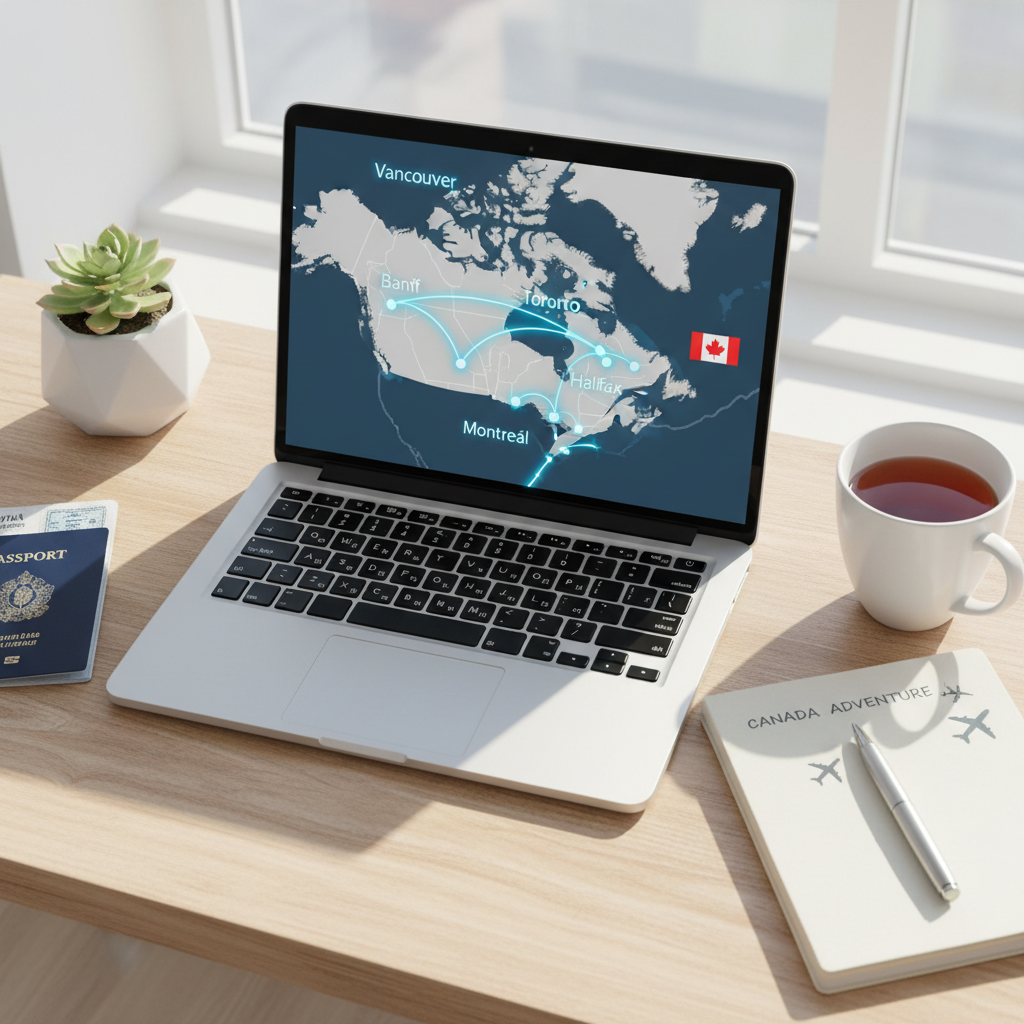
What’s different about Canada travel in 2026 (and why it matters)
Canada isn’t hard to travel, it’s easy to underestimate. In 2026, the main “difference maker” won’t be some secret hack, it’s planning around crowd patterns, transportation limits, and weather timing.
- Distances are real: A “quick hop” on the map can mean a full travel day, especially when you mix mountain roads, ferry schedules, and urban traffic.
- Peak demand concentrates: National parks, summer weekends, and holiday periods can feel booked-out fast, accommodations, rental cars, even timed entries in some spots.
- Shoulder seasons can be the sweet spot: In many areas, late spring and early fall offer decent weather and fewer crowds, but services may be reduced in smaller towns.
According to Parks Canada, many popular parks encourage advance planning for campgrounds and certain experiences, and availability can change season to season. Treat that as your cue to avoid last-minute assumptions.
Pick your Canada “region match”: where to go based on your style
The best travel guide for canada 2026 is less about listing every attraction and more about matching you to the right geography, because switching regions mid-trip often adds cost and fatigue.
Quick region matching
- First-time, iconic scenery: Alberta Rockies (Banff, Lake Louise, Jasper)
- City + food + culture: Toronto + Niagara, Montreal + Quebec City
- Coast + relaxed pace: Vancouver + Vancouver Island
- Road trip + lighthouses: Nova Scotia + Prince Edward Island
- Big wilderness, fewer crowds: Yukon or parts of Northern BC (best for experienced planners)
If you only have 7–10 days, try not to combine the Rockies with the Maritimes in one run. It’s technically possible, but you’ll spend more time in transit than you think.
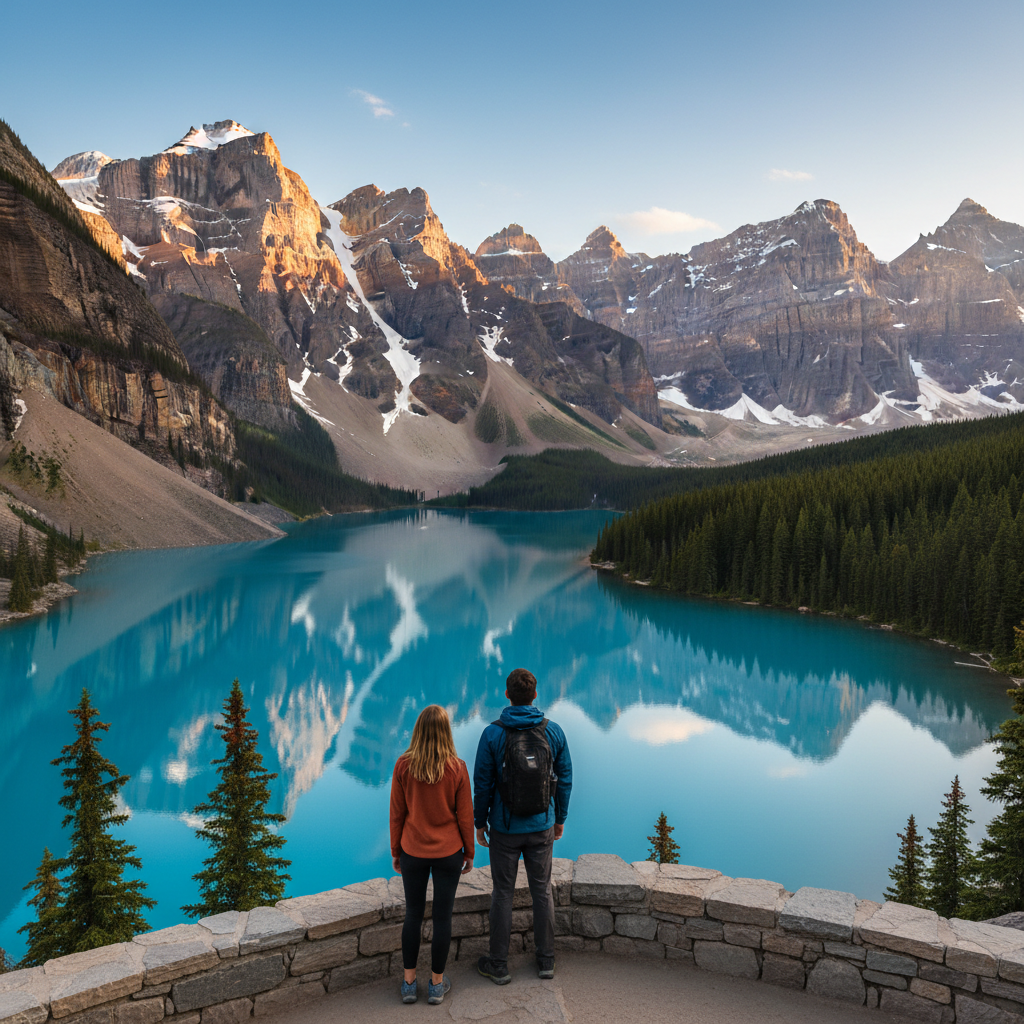
When to go: a practical season-by-season cheat sheet
Timing shapes everything: prices, road conditions, crowds, and what you can realistically do outdoors. Here’s a grounded way to think about seasons without overpromising perfect weather.
- Summer (Jun–Aug): Best for national parks and long days, also the busiest and often most expensive.
- Fall (Sep–Oct): Great for cities, food trips, and foliage in parts of Ontario/Quebec, mountain weather becomes less predictable.
- Winter (Nov–Mar): Strong for skiing, cozy city weekends, and Northern Lights trips, but road travel can be risky depending on storms.
- Spring (Apr–May): Shoulder-season value in many cities, some mountain hikes and lake viewpoints may still be in winter conditions.
Safety note: if you plan winter driving, conditions can shift fast; many travelers choose to limit long drives and lean on flights or trains, and it may help to ask rental agencies about tire policies and regional restrictions.
Booking and money: what Americans should lock in early
If you want the best travel guide for canada 2026 to actually save you stress, focus on the handful of items that tend to sell out or spike in price.
What to book early (typical high-demand items)
- Rockies lodging: Banff, Lake Louise, Jasper area hotels and cabins can fill up in prime summer windows.
- Rental cars: Especially for Calgary, Vancouver, and Halifax in summer; one-way drops can be pricey.
- Key rail routes: Popular corridors and scenic routes often price up as inventory shrinks.
- Iconic excursions: Whale watching, gondolas, certain guided tours, and limited-entry experiences.
Money basics that prevent surprises
- Currency: Prices are in CAD; your card may add a foreign transaction fee depending on your bank.
- Tipping: Similar norms to the U.S. in many service settings, but practices vary by place and service type.
- Taxes: Sales tax varies by province, so “sticker price” may not be the total.
According to the Government of Canada, entry requirements can depend on citizenship and travel circumstances. Before booking nonrefundable items, double-check current rules for U.S. travelers and any required documents.
A simple planning table: build your itinerary without overpacking days
People often get stuck between “I want to see everything” and “I don’t want to drive all day.” This table gives you a realistic structure, then you customize within it.
| Trip length | Best fit | Route idea | Keep in mind |
|---|---|---|---|
| 4–5 days | City break | Toronto + Niagara OR Montreal + Quebec City | Stay central, use transit, don’t add long side trips |
| 7–8 days | Classic first trip | Calgary → Banff → Jasper (or out-and-back) | Plan fewer bases, add one rest/scenic day |
| 9–10 days | Coast + nature | Vancouver → Victoria → Tofino (optional) | Ferries need buffers, weather can change plans |
| 10–14 days | Road trip lovers | Halifax → Nova Scotia loop → PEI | Drive times are manageable, but book summer stays early |
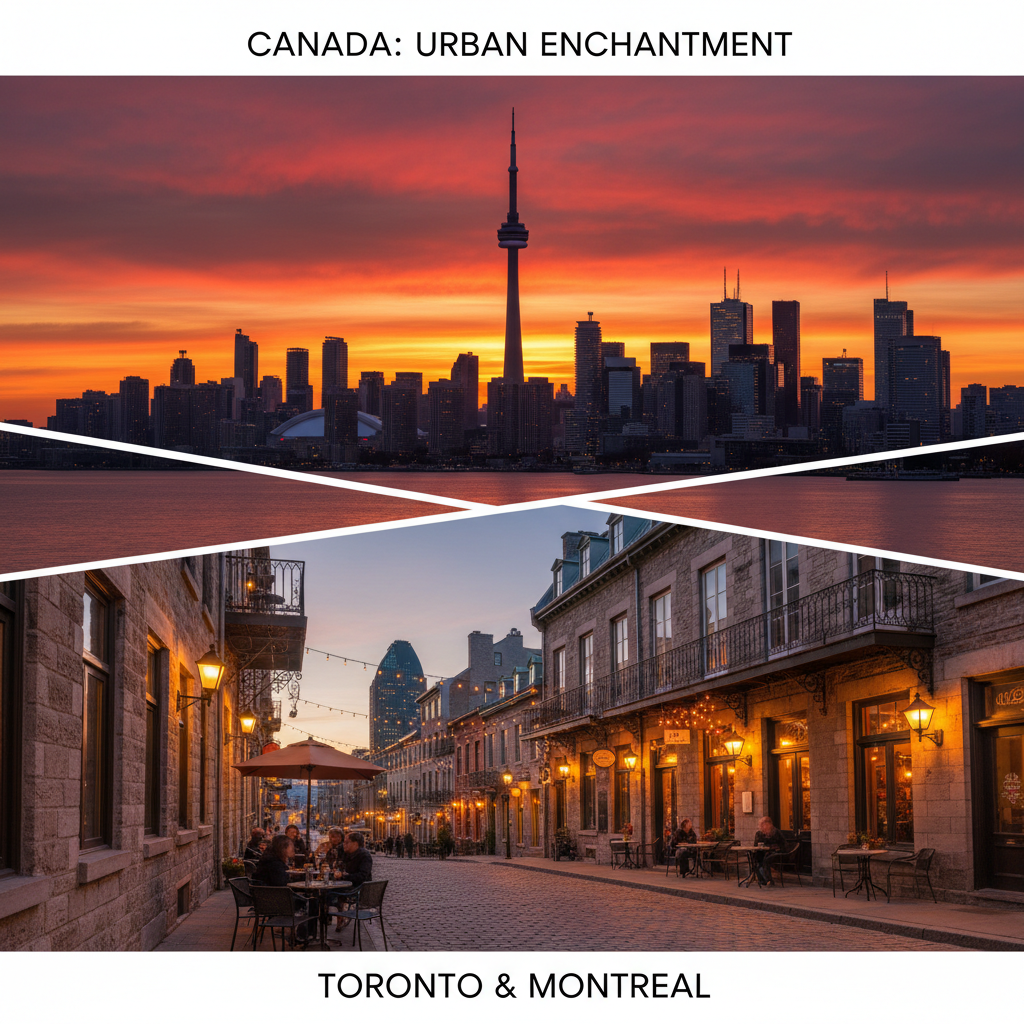
Do-this-next: a practical 7–10 day planning workflow
This is the part most people want: what to do in what order, without obsessing over every hour.
- Step 1: Choose one core region. If you’re torn, pick based on the experience you’ll talk about later: mountains, coast, or cities.
- Step 2: Pick two bases, max three. More bases usually means more packing, more checkout times, more driving.
- Step 3: Anchor 2–3 “musts”. One iconic day (gondola, whale tour, major museum), one nature day, one flexible day.
- Step 4: Book lodging before you over-plan. Once your stays are set, the trip starts to make sense.
- Step 5: Add one buffer. Weather, traffic, and ferry delays happen; a buffer day prevents domino-effect stress.
- Step 6: Decide your transportation mix. Flight into one city and out of another can save time, but one-way car fees can sting.
Key point: If your daily plan requires perfect weather to work, it’s probably too tight.
Common mistakes (and how to avoid them without spending more)
Most Canada trip regrets don’t come from choosing the “wrong attraction,” they come from friction: too much transit, missed reservations, or packing for the wrong conditions.
- Trying to “see Canada” in one trip: Canada rewards repeat visits; one region done well beats five regions done hurriedly.
- Underestimating weather swings: Mountains and coasts can shift from sunny to cold quickly, layer-friendly packing works better than one heavy outfit.
- Skipping reservation checks: Parking, popular restaurants, and certain park experiences can require planning, even if entry itself is simple.
- Over-driving: If you’re driving more than 3–4 hours most days, fatigue becomes the theme of the trip.
According to the U.S. Department of State, travelers should review destination-specific advisories and safety information. That’s not meant to scare you, it’s a practical habit before any international trip.
Conclusion: how to make your 2026 Canada trip feel easy
The best travel guide for canada 2026 is the one that helps you commit to one great route, book the high-impact items early, and leave breathing room for weather and mood. Canada is often at its best when you stop trying to optimize every stop and let a region unfold.
Your next move: pick your region today, then lock lodging for your top 2 bases. After that, everything else feels lighter and more fun.