
The customs travel rules guide most travelers need is less about memorizing every law and more about avoiding the handful of mistakes that trigger questions, delays, or extra fees at the border.
If you have ever wondered whether you can bring back food, how much you can shop duty-free, or what happens if you “forget” to declare something small, you are not alone, customs is one of those travel steps people underestimate until it becomes stressful.
This guide focuses on practical decisions: what to pack, what to leave behind, what to declare, and how to answer questions without creating confusion. It is written for U.S. travelers, but the mindset works anywhere, check official rules for the country you visit and for the U.S. on the way home.
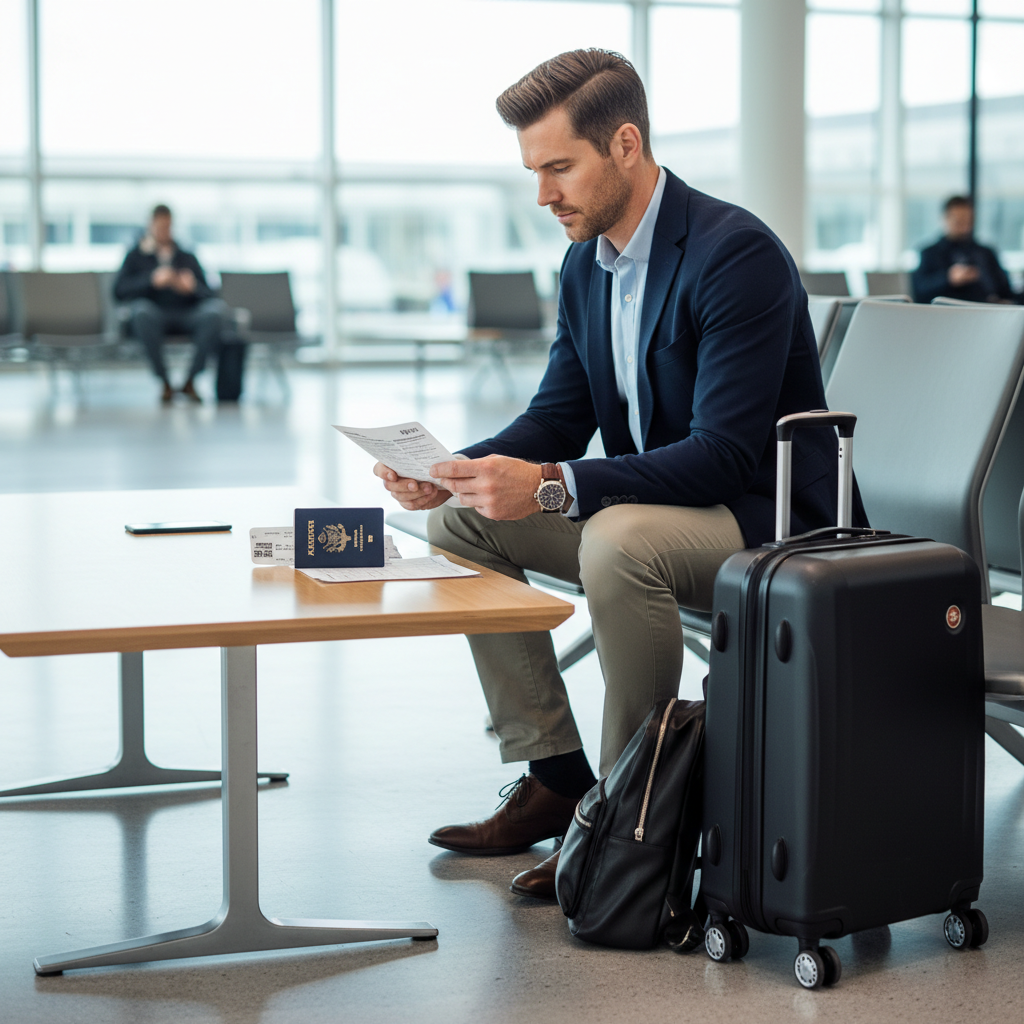
What customs actually cares about (and why it matters)
Customs officers are not grading your packing skills, they are looking for risk: prohibited items, undeclared goods, and anything that suggests commercial import or biosecurity issues.
In many cases, the problem is not the item itself, it is the story around it. Vague answers, missing receipts, or a bag full of the same product can make an ordinary situation look like a business shipment.
According to U.S. Customs and Border Protection (CBP), travelers should declare all items acquired abroad, including gifts, and be prepared to show receipts when asked. That single habit prevents a lot of avoidable friction.
- Revenue: duties and taxes on goods above allowances
- Safety and security: restricted items, dual-use goods, controlled substances
- Agriculture: plants, meat, fresh foods, anything that can carry pests
- Compliance: currency reporting, sanctions, and counterfeit items
Common trouble spots for tourists (real-world scenarios)
This is where most “I thought it was fine” moments happen, not with obvious contraband, but with normal travel purchases and snacks.
Food and agricultural items
Fresh fruit, meat products, seeds, and some homemade foods can trigger agricultural restrictions. Even when an item ends up being allowed, failing to declare it can create bigger consequences than the item itself.
Alcohol, tobacco, and cannabis-related products
Alcohol and tobacco have allowances and age rules that vary by country and situation. Cannabis adds another layer, even if it is legal in some U.S. states, international border rules are different, and you should check official guidance before traveling with anything cannabis-related, including certain vapes or edibles.
Luxury goods and “too many of the same thing”
Ten identical watches looks like resale, not souvenirs. A stack of boxed electronics raises the same question. If you are buying multiples for family, keeping receipts and being ready to explain helps.
Medications and supplements
Prescription meds typically go smoother in original packaging with a clear label. Some countries restrict common ingredients. If you have a complicated regimen, it may be worth asking a pharmacist or travel clinic what documentation makes sense.
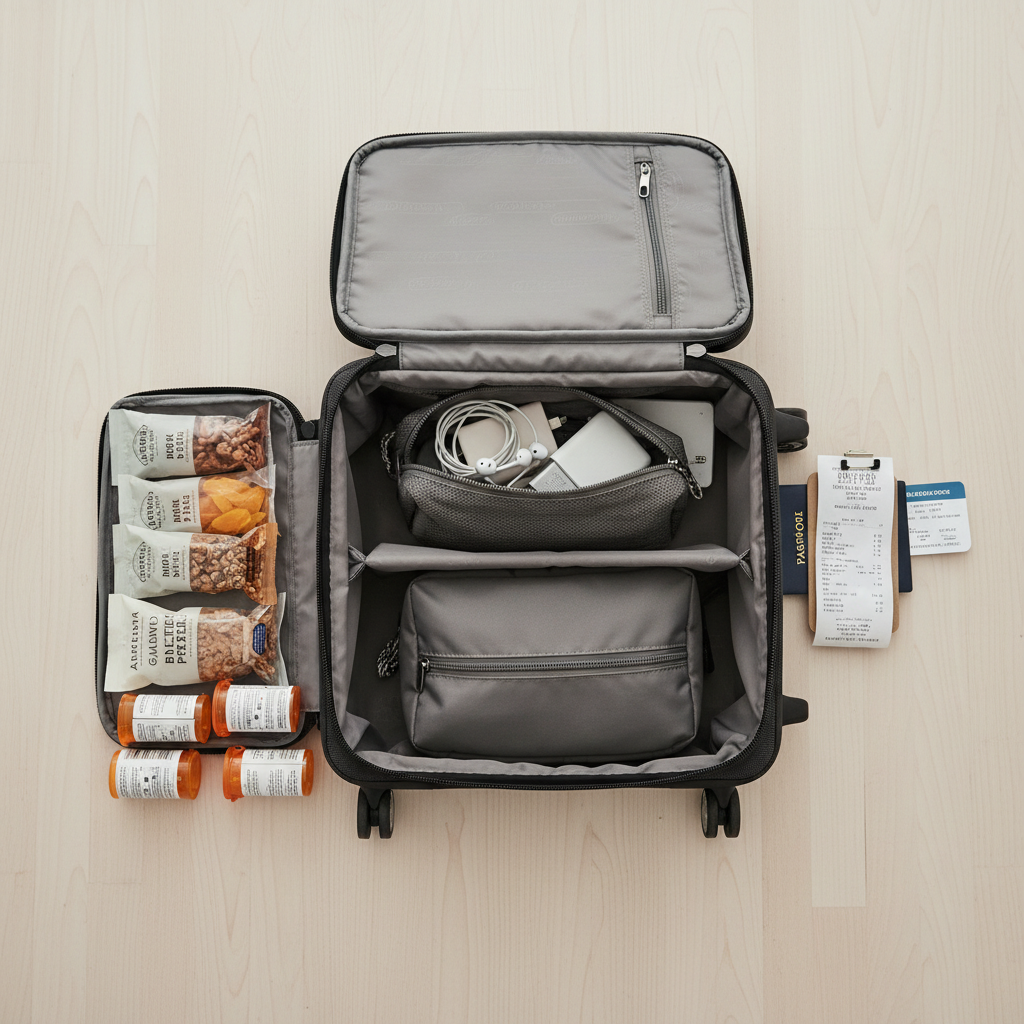
Quick self-check: are you likely to face extra questions?
Use this checklist before you fly home. It is not about paranoia, it is about reducing uncertainty at the counter.
- You are carrying food, even packaged snacks or spices
- You bought high-value items like jewelry, watches, electronics, designer bags
- You have multiple quantities of the same product (skincare, phones, sneakers)
- You packed medications without original labels or a copy of the prescription
- You are traveling with work gear that looks like inventory (samples, tools, merch)
- You are carrying large cash or cash equivalents
- You are unsure what counts as a “gift” versus personal use
If two or more apply, the right move is usually simple: organize receipts, be ready to declare, and keep answers consistent.
Allowances, duties, and declarations: the practical version
Allowances and duty rules vary by country, and they can change, so treat this as a decision framework rather than a fixed chart. For U.S. re-entry, CBP publishes current guidance and tools, that is your final reference.
A simple decision table
| What you have | What to do | Why it helps |
|---|---|---|
| Souvenirs and gifts with receipts | Declare if asked, keep receipts together | Shows transparency, speeds valuation |
| Food items (even packaged) | Declare proactively | Agriculture rules are strict, declaration reduces risk |
| High-value luxury purchase | Expect questions, know the price and where you bought it | Supports accurate duty assessment |
| Multiple identical items | Explain personal use or gifts, avoid “resale” language | Commercial intent triggers different rules |
| Prescription medication | Carry original packaging and doctor/pharmacy info if possible | Reduces confusion about controlled substances |
| Cash above reporting thresholds | Report as required, do not split among travelers to hide it | Non-reporting is taken seriously |
One nuance many people miss: declaring does not automatically mean you pay extra. It often just means the officer can decide quickly and move on.
According to U.S. Customs and Border Protection (CBP), travelers must report currency or monetary instruments above the reporting threshold when entering or leaving the U.S. If you are near that line, double-check the current rule rather than guessing.
Step-by-step: how to use a customs travel rules guide while packing
A good customs travel rules guide is most useful before you arrive at the airport, when you still have choices. Here is a workflow that usually keeps things clean.
1) Group purchases by category
- Food items in one bag
- Luxury or electronics together with receipts
- Gifts separated from personal purchases
2) Make receipts easy to show
Screenshot email receipts or save them offline. If you used multiple currencies, keeping a quick note of the total paid can prevent awkward math on the spot.
3) Label medications and keep a short list
Not a full medical file, just names, dosages, and prescribing doctor or pharmacy. If anything is a controlled substance, extra documentation may be wise, and in some situations you should ask a medical professional what is appropriate for your destination.
4) Decide what you will declare in one sentence
When you are tired, short and consistent answers help: “I have packaged snacks and gifts, plus one laptop I bought in Paris.” Rambling creates openings for misunderstandings.
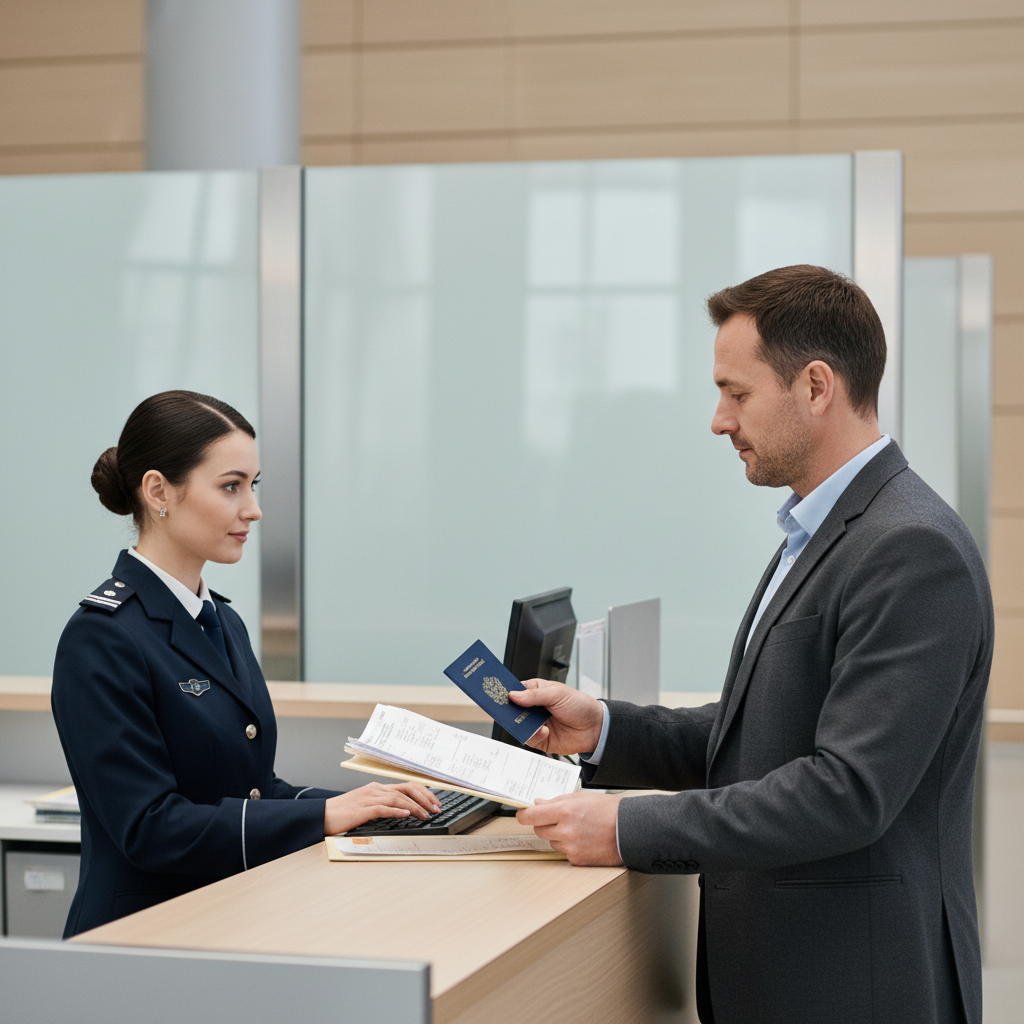
Common mistakes that make customs harder than it needs to be
People rarely get stuck because they bought a souvenir, they get stuck because of preventable signaling issues.
- Not declaring “small” items: if it falls under a category customs monitors, declare and move on
- Throwing away receipts too early: “I don’t remember” slows everything down
- Packing food loosely: unlabeled items look suspicious, even if harmless
- Mixing business and personal travel: work samples and merchandise can trigger commercial import questions
- Assuming domestic rules apply internationally: especially around cannabis-related products
- Trying to outsmart thresholds: splitting cash or purchases among travelers can backfire
If you only remember one thing, remember this: being clear beats being clever at the border.
When to get professional help or official confirmation
Most tourist trips do not need a broker or attorney, but some situations benefit from extra certainty. If you are unsure, start with official sources for the country you are entering, and for U.S. re-entry use CBP resources.
- You are bringing large quantities that could look commercial
- You travel with specialized equipment (film gear, drones, lab tools) that may raise export/import questions
- You have controlled medications or complex medical needs, a pharmacist or clinician can advise on documentation
- You are relocating or staying long-term, which changes customs expectations
- You face a prior customs issue and want to avoid repeating it
According to Transportation Security Administration (TSA), security screening rules are separate from customs rules, and travelers often mix them up. If you are troubleshooting a problem, confirm which agency and checkpoint applies.
Key takeaways you can use on your next trip
A workable customs travel rules guide boils down to three habits: know your categories, keep receipts, and declare when in doubt. That combination tends to reduce delays more than any “hack.”
- Declare food and gifts proactively, even if you think they are minor
- Organize receipts before you land, not while someone waits
- Avoid commercial signals, multiples and new-in-box items deserve a clean explanation
- Pack meds responsibly, original labels and a basic list prevent confusion
If you want an easy next step, open the official customs page for your destination and for the U.S., then match your packing list to their categories, doing it once usually saves time and stress later.
FAQ
Do I need to declare souvenirs if they are just for personal use?
Often, yes, at least you should be ready to declare items acquired abroad when asked. Declaring personal purchases does not always mean you owe duty, but it does show you are being straightforward.
What foods are most likely to cause problems at customs?
Fresh fruit, meat products, seeds, and homemade items are common triggers. Packaged, commercially labeled foods may be allowed in many cases, but declaration is still the safer default because agriculture rules can be strict.
How many of the same item is “too many”?
There is no universal number. Multiple identical, new-in-box products can look like resale, so receipts and a simple explanation matter. If you are carrying quantities that resemble inventory, checking official guidance is smart.
Can I bring prescription medication back into the U.S.?
Many travelers do, but the smoothest approach is original packaging with clear labels. If a medication is controlled or you carry a large supply, consider asking a pharmacist or clinician about documentation for your route.
What happens if I forget to declare something small?
Outcomes vary by item and situation. Sometimes it is a warning, sometimes it becomes a bigger issue because it looks intentional. If you realize a mistake early, telling the officer can be better than hoping it is not noticed.
Is TSA the same as customs?
No. TSA focuses on aviation security screening, customs focuses on what you bring across borders and whether it is allowed and properly declared. Confusing the two leads people to follow the wrong checklist.
Do I have to declare cash when I travel?
Many countries have reporting thresholds for large amounts of cash or monetary instruments. For U.S. travel, verify the current rule with CBP resources, and if you are near the threshold, do not guess.
If you are planning a trip with lots of shopping, specialty foods, or medications, and you want a more streamlined way to prepare, you can build a simple “customs folder” with receipts, a packing list by category, and links to official rules, it is not fancy, but it usually prevents the last-minute scramble.