
Secret garden travel destinations are the trips you plan when you want your nervous system to stop buzzing, not when you want to “see it all.” They’re places where the main event is a shaded path, a fountain you can actually hear, and a bench that feels like it was put there for you.
If that sounds oddly specific, it’s because a lot of travelers are tired of “must-do” lists and crowded photo lines. Calm travel isn’t about doing nothing, it’s about doing fewer things that feel better, and choosing spaces designed for quiet attention.
This guide focuses on real, visitable gardens and garden-like escapes, plus a simple way to pick the right one for your energy level, your season, and your budget. No fantasy “hidden spots,” just places that tend to feel like a secret when you catch them at the right time.
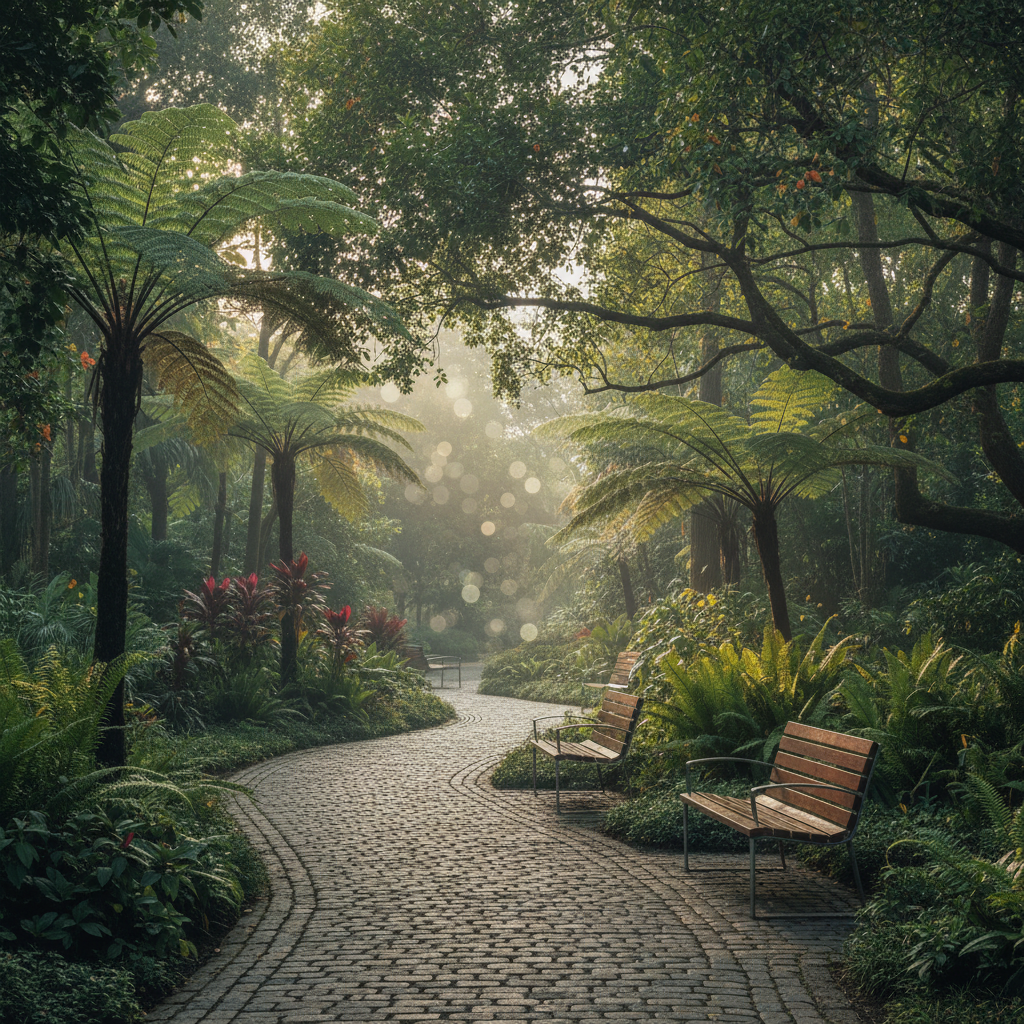
What “secret garden” calm really means (and why it works)
When people search for a “secret garden,” they usually mean one of three things: a less-crowded garden, a garden with atmosphere (water, shade, birds), or a nearby nature escape that feels sheltered. The calm comes from design: enclosed spaces, predictable paths, and sensory details that don’t demand constant decisions.
According to National Park Service, spending time in parks can support well-being and quality of life, which is a big part of why “green time” often feels restorative. You don’t need to turn a garden visit into a wellness program, but it helps to treat it like a real priority, not an afterthought squeezed between attractions.
One practical note: calm destinations aren’t always calm at noon on Saturday. Your experience changes dramatically with timing, entry rules, and whether the garden sits next to a major tour route.
A quick self-check: which kind of calm trip do you need?
Before you pick a location, pick the type of calm. This avoids the common mistake of booking a “peaceful garden weekend” that still involves frantic driving, sold-out tickets, and crowded cafés.
Use this checklist
- Sensory overload: You want shade, fewer sounds, and simple navigation.
- Decision fatigue: You want one anchor activity per day, with built-in rest.
- Social burnout: You want wide paths, quiet corners, and off-peak windows.
- Body needs care: You want benches, flat routes, nearby bathrooms, and easy exits.
Key takeaway: choose a place that matches your “limit,” not your idealized self on a perfect day.
Secret garden travel destinations in the U.S. that tend to feel peaceful
These are well-known enough to be reliable, yet still capable of feeling tucked away if you plan around crowds. Think of them as “discoverable secrets.”
- Portland Japanese Garden (Oregon): A compact, curated calm with strong seasonal interest. Go early on weekdays for the quietest experience.
- Longwood Gardens (Pennsylvania): Big grounds, multiple zones, and plenty of places to disappear. Good choice if your group needs variety without chaos.
- Huntington Library, Art Museum, and Botanical Gardens (California): Multiple garden styles so you can “reset” when one area gets busy.
- Desert Botanical Garden (Arizona): A different kind of hush, especially in cooler months; the open space can feel grounding.
- Chicago Botanic Garden (Illinois): Large enough to spread out, with islands and paths that create a private-feeling loop.
- Coastal Maine botanical gardens: Many travelers find the ocean-adjacent air and slower pace naturally calming, especially shoulder season.
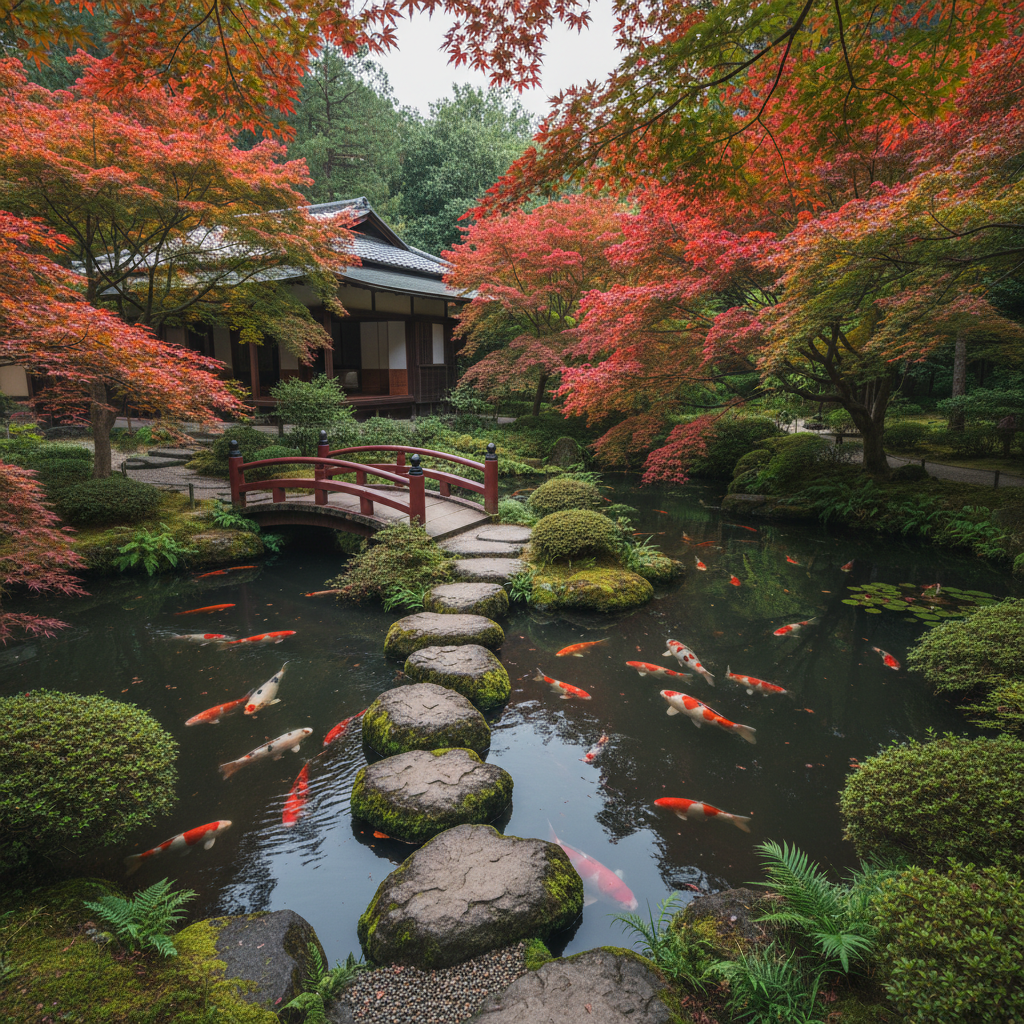
International garden escapes that reward slow travel
If you’re traveling from the U.S. and want a bigger “reset,” these places pair strong garden culture with walkable routines. They’re not always empty, but they often support a calmer rhythm: public transit, lingering meals, and park time as normal life.
- Kyoto, Japan: Temple gardens and quieter neighborhood paths if you avoid peak hours and the most famous photo spots.
- Madeira, Portugal: Lush landscapes, botanical collections, and mild weather that encourages unhurried days.
- Lake Como area, Italy: Villa gardens can be busy, but mornings and shoulder season often feel surprisingly gentle.
- Cotswolds, England: Garden-focused day trips and small villages where the “activity” is walking and pausing.
If you’re dealing with anxiety or panic symptoms while traveling, it may help to plan extra buffers and talk with a licensed professional before a long-haul trip, especially if you’re changing time zones or routines.
How to choose the right garden trip: a simple planning table
Not every “secret garden travel destinations” idea fits every season or travel style. Use this as a quick filter, then confirm details on official sites.
| Traveler need | What to look for | Timing that often helps | Common trade-off |
|---|---|---|---|
| Quiet + shade | Wooded paths, enclosed courtyards, water features | Weekdays, opening hour, light rain days | Fewer food options on-site |
| Low walking stress | Benches, maps, tram/shuttle, flat loops | Earlier in the day | May feel more “managed” than wild |
| Fewer people | Timed entry, large grounds, multiple zones | Shoulder season, non-holiday weeks | Some exhibits might be closed |
| Budget calm | Free public gardens, arboretums, city parks | Early morning or dinner time | Less “storybook” curation |
Practical steps to actually keep the trip calm (not just the destination)
A beautiful garden can’t fix a chaotic itinerary. The calmer experience usually comes from a few boring choices that work.
Make your plan “one anchor + two options”
- Anchor: the garden (or one primary site) with a ticket time you can meet easily.
- Option A: a nearby café or picnic plan that doesn’t require reservations.
- Option B: a second short walk, bookshop, or scenic drive you can skip without guilt.
Pack for sensory comfort
- Light layers and comfortable shoes, gardens quietly punish “cute but painful.”
- Water and a snack, because hunger makes everything louder.
- Sun protection; even shaded gardens have bright stretches.
According to Centers for Disease Control and Prevention (CDC), heat-related illness can be serious, so it’s smart to adjust pace in hot weather and take breaks. If you have health conditions or take medications that affect heat tolerance, consider asking a clinician for personalized guidance.
Common mistakes that ruin “secret garden” trips
This is where people get frustrated, and it’s avoidable.
- Chasing “hidden” spots with no verification: some viral locations are private property or seasonally inaccessible, and you end up stressed and improvising.
- Ignoring ticket rules: timed entry is great for crowd control, until you miss the window because your schedule is too tight.
- Over-scheduling: stacking museums, shopping, and dinner reservations turns the garden into a sprint.
- Assuming all gardens are stroller or wheelchair friendly: many have stairs or gravel; check accessibility notes in advance.
If your goal is calm, you’re allowed to pick the “less impressive” garden that’s closer, easier, and quieter. That choice is usually the win.
Conclusion: build your own calm loop
Secret garden travel destinations work best when you treat calm as the itinerary, not a side effect. Pick one garden that fits your energy, choose a time that reduces crowd friction, and keep the rest of the day intentionally light.
If you want a simple next step, choose a garden within a two-hour drive, go at opening time, and plan one easy meal nearby. That single day often tells you what kind of “garden calm” you’ll want to plan next.
FAQ
What counts as a “secret garden” destination if it’s popular?
It can still count if you can reliably find quiet inside it, for example, large grounds with multiple zones, or timed entry that limits crowds. “Secret” often means how it feels, not whether it’s unknown.
How do I find less crowded times for botanical gardens?
Check the official calendar for special events, then aim for weekday mornings or off-season weeks. Member hours or early entry days, when available, can also be calmer.
Are arboretums and botanical gardens good for solo travel?
Usually, yes. They’re structured, easy to navigate, and socially low-pressure. If you’re uneasy alone, pick places with staffed entry points and clear maps.
What should I do if the garden is busier than expected?
Switch from “see everything” to “find one pocket.” Look for perimeter paths, less famous collections, or indoor conservatories during peak sun. Sometimes the calm move is a shorter visit with a longer café break after.
How much time should I plan for a calm garden visit?
For many people, 90 minutes to three hours is the sweet spot. Longer can be great, but only if you plan food, water, and rest so it doesn’t turn into fatigue.
Do I need guided tours for a relaxing experience?
Not necessarily. Tours can reduce decision fatigue, but they can also feel rushed. Audio guides or simple self-guided routes often keep the pace gentler.
Is it safe to visit secluded garden paths alone?
It depends on the site and time of day. Stick to official trails, let someone know where you’ll be, and trust your instincts. If you have safety concerns, choose more central paths or visit during busier daylight hours.
If you’re planning secret garden travel destinations and want a calmer trip without over-researching, consider building your itinerary around one “anchor garden,” one nearby low-key meal, and a backup option you can drop, it’s a small structure that keeps the whole day breathable.