
Dinner cruise travel guide searches usually come from one simple fear: paying a premium for a “special night” that turns out crowded, rushed, or weirdly underwhelming. The good news is you can spot most issues before you book, and you don’t need insider connections to do it.
What makes dinner cruises tricky is that you’re buying several things at once, a meal, a view, a seat, a schedule, and a vibe. If one piece fails, the whole experience feels off, even if the boat technically “delivered.”
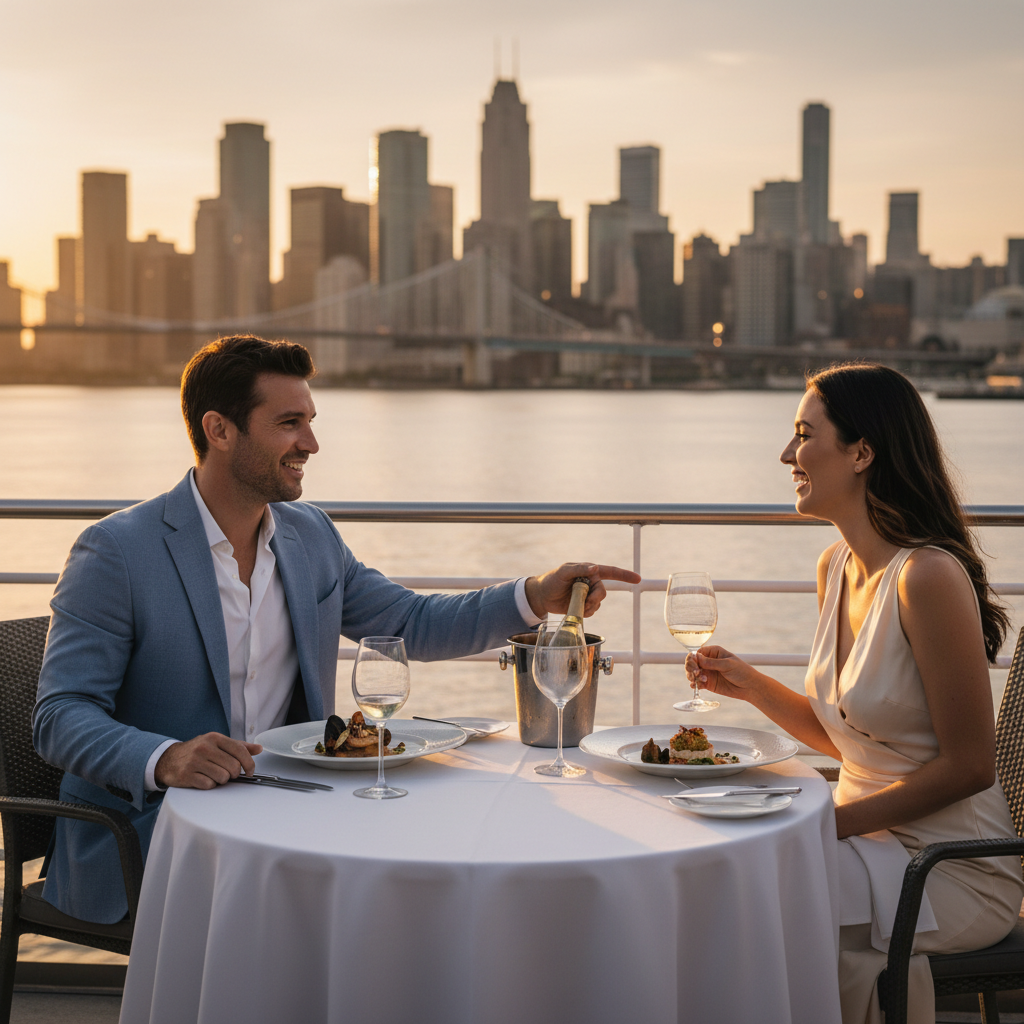
This guide helps you choose the right cruise type, know what questions to ask, and plan the night so it feels smooth from boarding to dessert. I’ll also call out the common “gotchas” that listings don’t highlight.
Know what you’re actually booking: the 4 main dinner cruise styles
Before you compare prices, decide what kind of night you want. Many disappointments come from picking a cruise category that doesn’t match the occasion.
- Classic sightseeing dinner cruise: steady pace, big windows, narration may happen, food ranges from buffet to plated.
- Luxury or yacht-style dining: fewer guests, better spacing, often plated multi-course, stricter dress expectations.
- Party dinner cruise: DJ, dance floor, louder, the “meal” can be secondary.
- Special event cruise: fireworks, holiday, themed nights, higher demand and tighter timelines.
If your priority is conversation and views, you usually want the first two. If your group wants energy and dancing, lean party cruise and set expectations about meal timing and noise.
Route, timing, and seating: the details that decide whether it feels “scenic”
Two cruises on the same river can feel totally different depending on departure time, direction, and where you sit. This is where a practical dinner cruise travel guide earns its keep.
Timing that tends to work
- Sunset departures: great photos, but book early, and expect more couples and celebrations.
- Night cruises: best for skyline lights, weaker for nature scenery.
- Early evening: often calmer, sometimes more family-friendly, and you still end the night at a reasonable hour.
Seating questions worth asking before you pay
- Is seating assigned or first-come, first-served?
- Can you reserve a window table, and does it cost extra?
- Is there outdoor access during the meal, or only at certain times?
- How many guests vs. how many tables, and how close are they placed?
Small detail, big impact: if the cruise advertises “panoramic views” but most seats face inward, the photos may not match your reality.
What the price usually includes (and what quietly costs extra)
Not all “dinner included” packages mean the same thing. You’re not being picky by checking, you’re avoiding surprise fees.
| Item | Often Included | Often Extra |
|---|---|---|
| Meal style | Buffet or set menu | Steak/seafood upgrades, tasting menus |
| Drinks | Water, coffee/tea | Alcohol, mocktails, soda packages |
| Seating | Standard table | Window seating, VIP sections |
| Entertainment | Background music | Live band nights, themed events |
| Fees | Sometimes none | Port fees, service charges, gratuity |
According to the U.S. Federal Trade Commission (FTC), hidden or unclear pricing can be a consumer issue, so it’s reasonable to look for full price breakdowns before checkout and ask for clarification if a fee appears late in the process.
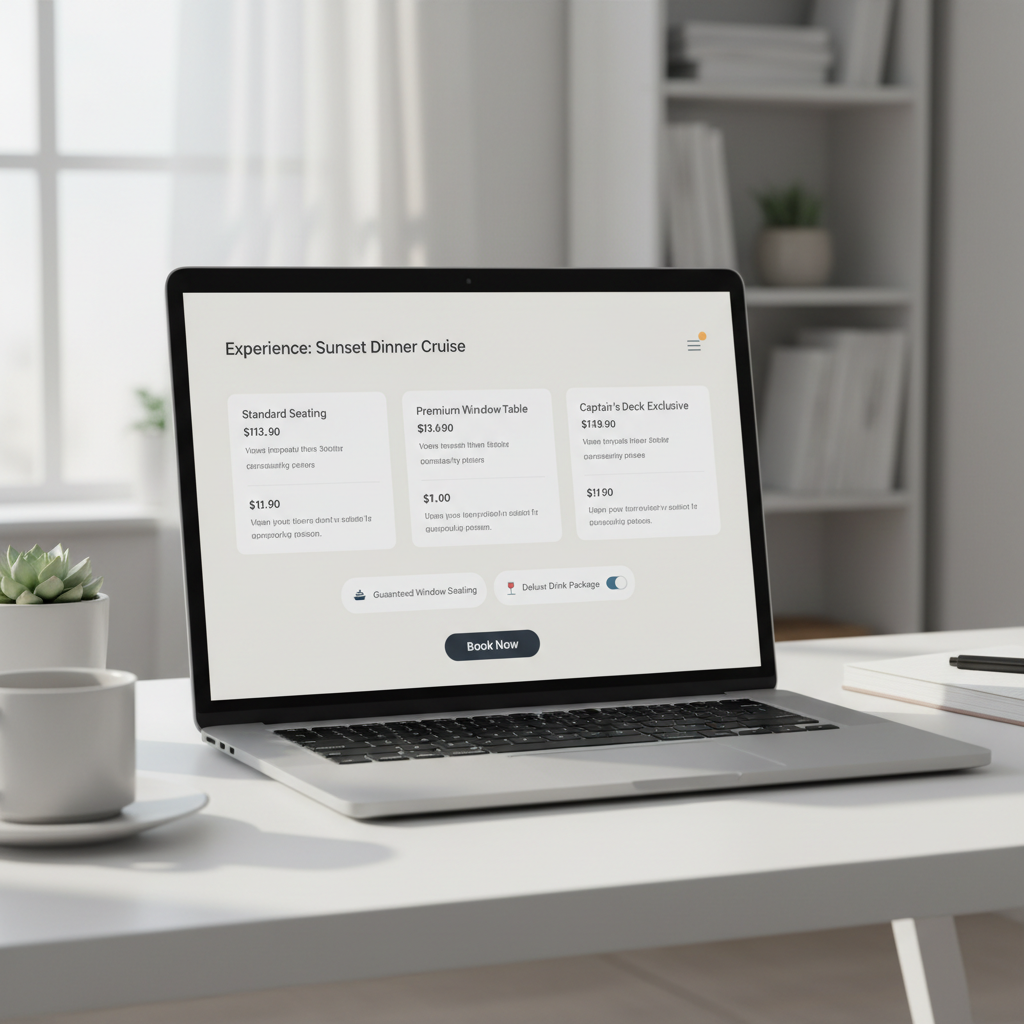
If you’re comparing options, always compare the total after fees, plus the add-ons you actually care about, usually drinks and seating.
Quick self-check: is a dinner cruise right for your trip?
Some nights are perfect for a boat, others feel better on land. Use this quick checklist before you commit.
- Yes, book it if your group enjoys slow pacing, views, and a “contained” plan with minimal logistics.
- Proceed carefully if anyone in your party gets motion sickness easily, needs frequent restroom access, or dislikes fixed schedules.
- Skip it if your main goal is a serious food destination, a cruise kitchen often prioritizes volume and timing over peak plating.
If you’re unsure about motion sensitivity, it can help to choose a larger vessel on calmer water and sit mid-ship where movement often feels less intense, but individual tolerance varies and a medical professional can advise if you have a known condition.
How to plan the night so it feels effortless (not rushed)
This is the part people forget: even a great cruise can feel stressful if you’re sprinting to the dock or guessing the dress code.
A simple timeline that works in most cities
- Arrive 30–45 minutes early: parking and check-in take longer than you think, especially on weekends.
- Eat a light snack beforehand: if dinner service starts later than expected, you stay pleasant, not hungry-angry.
- Bring a layer: water + evening breeze can feel colder than the forecast suggests.
- Plan your photo moment: ask staff when the best skyline pass happens, so you’re not stuck mid-bite.
What to wear, realistically
Dress code depends on the operator and city, but “smart casual” covers many situations: clean shoes, a collared shirt or neat top, and something you can sit comfortably in for a couple hours. If the ticket page says “formal,” believe it, they may turn people away or you’ll feel out of place.
Common mistakes that make dinner cruises feel disappointing
Most complaints fall into a few predictable patterns. Avoid these and your odds improve fast.
- Booking for the food alone: treat it as dinner plus atmosphere, not a top-tier restaurant replacement.
- Ignoring duration vs. appetite: a 2.5–3 hour cruise might serve dinner over a long window, not immediately.
- Choosing the cheapest ticket, then paying for essentials: once you add drinks and better seating, the “deal” disappears.
- Not checking accessibility: older vessels may have tight stairs; call ahead if you need step-free access.
- Assuming you can roam outside anytime: some boats restrict decks during docking or service.
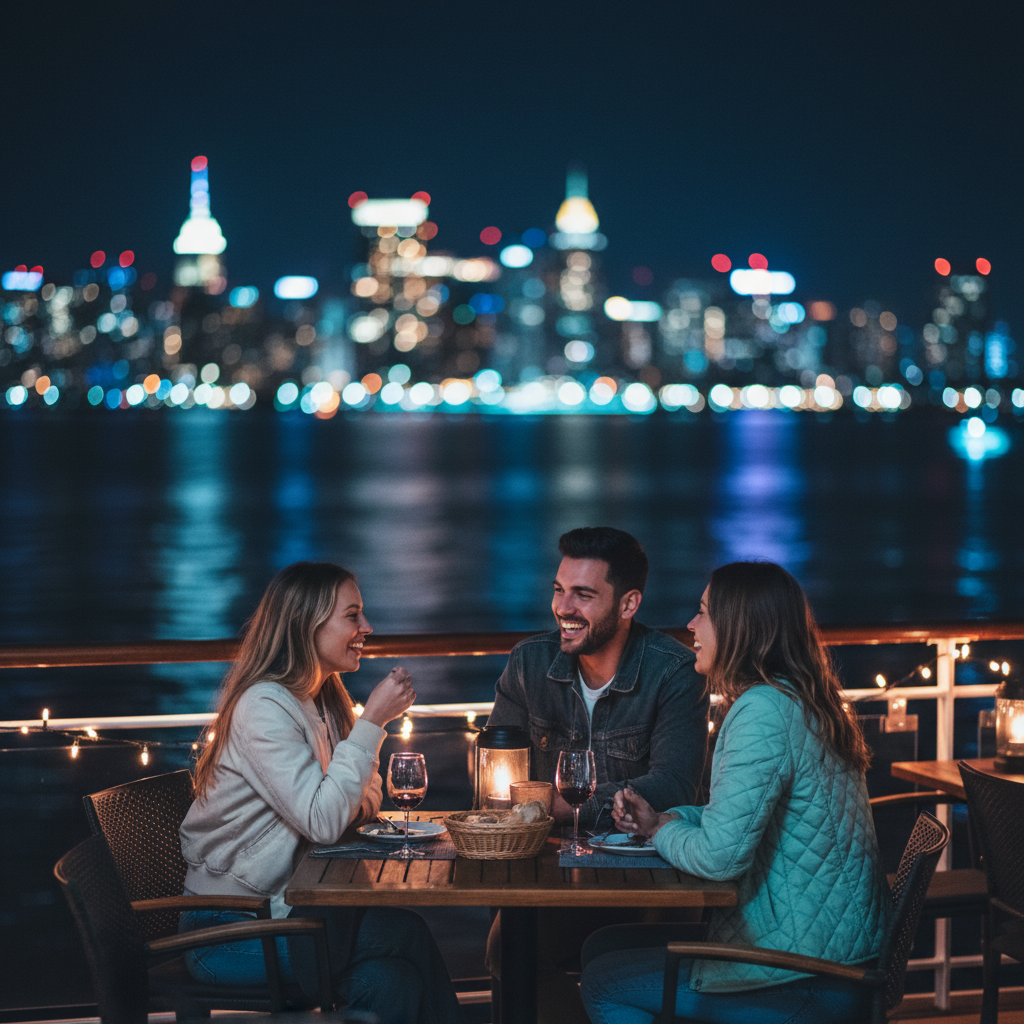
One more that’s underrated: picking the wrong vibe for your group. A party cruise can be fun, but if you expected quiet romance, it will feel “bad” even if it’s exactly what the listing promised.
When it’s worth asking for help (or changing plans)
If your trip has higher stakes, proposals, milestone birthdays, business dinners, it can be worth calling the operator instead of relying on checkout screens.
- Dietary restrictions: confirm timing and cross-contact policies, especially for severe allergies, and consult a medical professional when risk is high.
- Mobility needs: ask about ramps, restrooms, and seating access.
- Weather concerns: ask about indoor seating, route changes, and rescheduling policies.
- Group bookings: confirm table layout so you’re not split into separate sections.
According to the U.S. Coast Guard, passenger vessel operators follow safety requirements and may adjust boarding or routes based on conditions, so it’s smart to treat schedules as “planned” rather than guaranteed to the minute.
Conclusion: pick the cruise that matches your night
A dinner cruise can be genuinely memorable when you book for the right reason, views plus a paced, contained evening, and then pay attention to seating, timing, and what “included” really means. If you do two things today, make them these: confirm seating and total price, then choose the vibe that fits your group instead of chasing the cheapest ticket.
FAQ
What should I look for in a dinner cruise travel guide before booking?
Look for specifics: seating policy, route highlights, meal style, total fees, and whether outdoor decks are open during the cruise. Those details predict your experience better than marketing photos.
Are dinner cruises worth it if I care about food quality?
They can be, but manage expectations. Many cruises aim for consistent service at scale, so the “worth it” factor often comes from scenery and atmosphere more than cutting-edge cuisine.
How far in advance should I book a dinner cruise in the U.S.?
For weekends and sunset sailings, booking earlier helps, especially in peak travel seasons. If you’re flexible on time, you may find more options closer in, but the best tables can disappear first.
Do I need to tip on a dinner cruise?
Sometimes gratuity is included, sometimes not. Check the checkout page and receipt wording, and if it’s unclear, ask before boarding so you’re not guessing at the end.
What’s the best seat on a dinner cruise?
Window tables are popular for a reason, but they’re not always essential. If you expect to spend time on the outdoor deck, a standard table can work fine, just confirm deck access.
Are dinner cruises safe for kids or older adults?
Many are, but it depends on the boat layout and duration. Ask about stairs, restroom access, and noise level, and consider shorter cruises if anyone tires easily.
What happens if the weather is bad?
Many operators continue with indoor dining or adjust routes, but policies vary. Read the reschedule and refund terms carefully, and keep screenshots of what you purchased.
If you’re planning a trip and want a more tailored short list, city, budget range, and whether you care more about food, views, or a party vibe changes the recommendation fast, and it’s often easier to narrow options with a simple checklist before you book.