
Best travel hand sanitizer moisturizing usually comes down to one thing: you want effective germ reduction without that tight, chalky “airport hands” feeling after two or three reapplications.
If you travel a lot, you already know the trade-off, many sanitizers work, but they can leave skin dry, especially on flights, in winter, or when you also wash hands often. The goal here is to help you choose a travel-sized option you’ll actually keep using, because comfort matters for consistency.
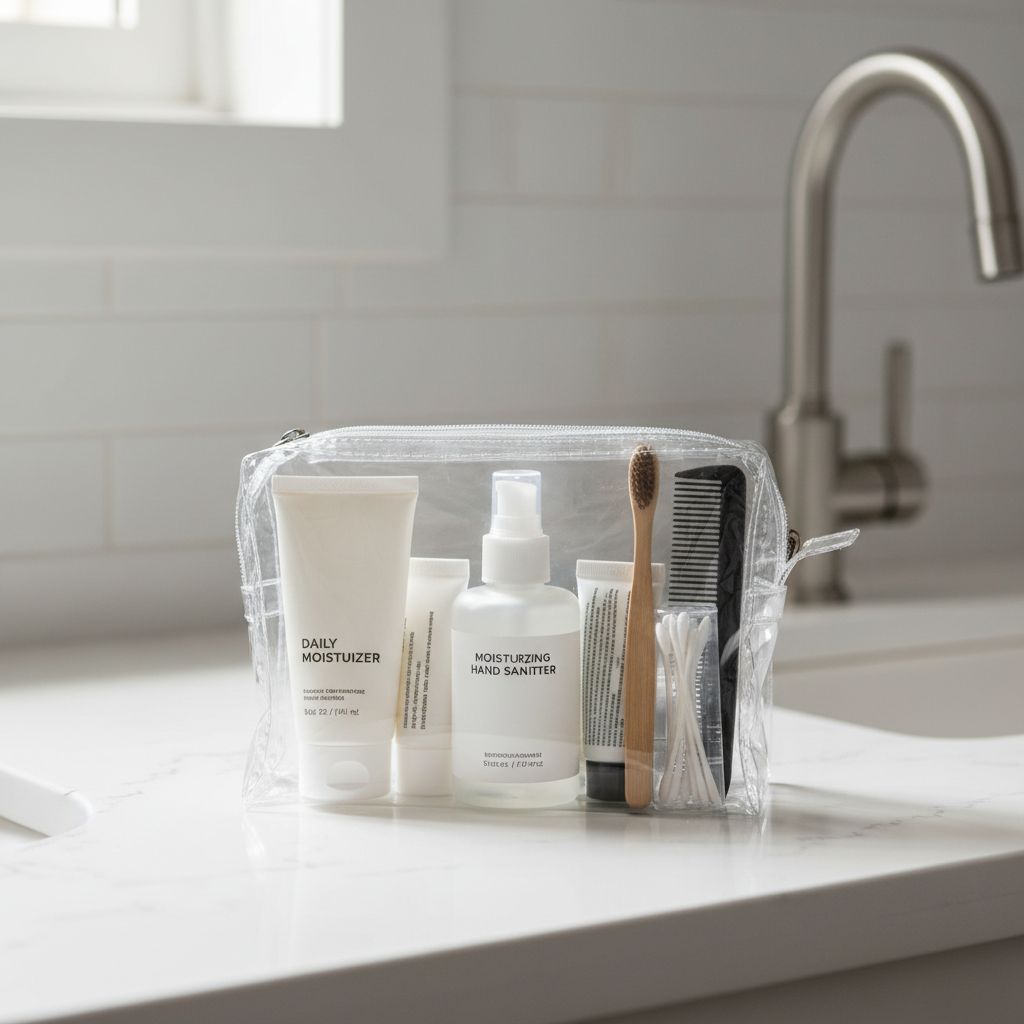
Below you’ll get a practical way to judge moisturizing claims, a quick comparison table, and a few field-tested habits that reduce dryness without lowering hygiene standards.
What “moisturizing” really means in a travel hand sanitizer
Some bottles say “with aloe” and still feel harsh. That’s not always marketing, it’s often about ingredient balance and how your skin reacts under travel stress.
- Humectants pull water toward skin, common examples include glycerin and propylene glycol.
- Emollients smooth and soften, sometimes light oils or skin-conditioning agents.
- Film formers can reduce that evaporative sting by leaving a thin layer, but may feel tacky to some.
According to CDC, alcohol-based hand sanitizers work best when they contain at least 60% alcohol. That’s the non-negotiable baseline for many travel situations. The “moisturizing” part is what gets layered on top.
Quick comparison table: what to look for (and what to avoid)
When people ask for the best moisturizing option for travel, they usually want something that fits a carry-on, doesn’t leak, dries fast, and doesn’t wreck their cuticles.
| What to check | Why it matters | Good sign | Possible downside |
|---|---|---|---|
| Alcohol percentage | Hygiene performance | 60–70%+ alcohol listed clearly | Higher alcohol can feel more drying |
| Moisturizing agents | Comfort with repeat use | Glycerin, aloe, panthenol | Can feel tacky if formula is heavy |
| Format | How often you’ll use it | Gel for control, spray for quick coverage | Sprays can miss spots if you rush |
| Fragrance | Irritation risk | Fragrance-free or low-scent | Some prefer a scent to mask alcohol |
| Packaging | Travel mess prevention | Flip-cap that seals well, slim bottle | Pump tops can leak in pressure changes |
Common reasons travel sanitizers still dry your hands
Even when you pick a gentler formula, travel adds a few extra variables that make dryness more likely.
- Cabin air and climate swings: low humidity and cold weather both pull moisture out of skin.
- Frequency: conferences, airports, public transit, you sanitize more than usual.
- Hot water + soap: handwashing matters, but pairing frequent washing with sanitizer can compound dryness.
- Existing irritation: tiny cracks around nails sting more with alcohol, then you avoid sanitizing, then you worry again.
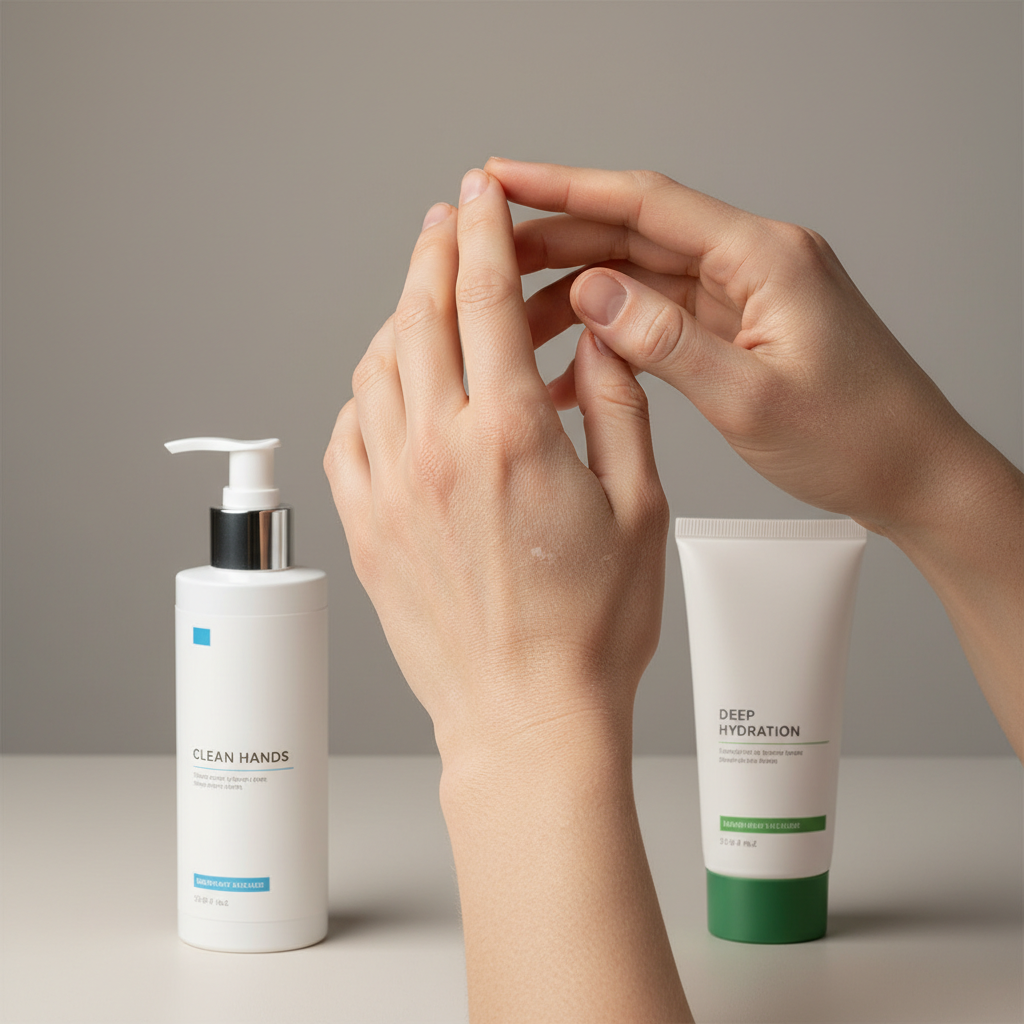
One more thing people miss, sanitizers evaporate fast, so any water pulled to the surface can evaporate too, if there’s no conditioning layer to keep it in.
A fast self-check: which “dryness pattern” do you have?
This is the quickest way to decide what kind of best travel hand sanitizer moisturizing choice makes sense for you.
- Dryness after 1–2 uses: you may be sensitive to fragrance or a specific additive, try fragrance-free and simpler formulas.
- Dryness only on flights: formula matters, but your biggest win is pairing sanitizer with a small hand cream.
- Stinging around cuts: you may have a compromised skin barrier, focus on barrier repair, and consider asking a clinician if cracking persists.
- Tacky feel drives you crazy: look for lighter gels or sprays with glycerin but fewer heavy conditioners.
If you’re unsure, buy one small bottle first. Travel-size is perfect for testing without committing to a big pack.
How to choose the best moisturizing travel option (step-by-step)
Instead of chasing “best” lists, use a simple decision path that fits how you travel and how your skin behaves.
Step 1: Confirm the basics
- Pick an alcohol-based sanitizer that clearly lists 60%+ alcohol.
- Choose a TSA-friendly size you can keep within reach, not buried in a suitcase.
Step 2: Pick your texture based on use
- Gel: better control, less overspray on planes, usually feels more cushioned.
- Spray: quick, less residue, good for people who hate sticky hands, just rub thoroughly.
Step 3: Scan for moisturizing support
- Look for glycerin near the top half of the ingredient list.
- Aloe and panthenol can help comfort, but they’re not magic on their own.
- If you react easily, go fragrance-free and avoid “cooling” additives.
Step 4: Let real life decide
Use it for a week of normal errands before your trip. If your hands feel tight after each use, it’s not your match, even if reviews say otherwise.
Practical travel routine: stay clean without wrecking your skin
This is where most people get relief. The best travel hand sanitizer moisturizing routine usually combines sanitizer + quick barrier support, not just a different bottle.
- Sanitize correctly: apply enough to cover both hands, rub palms, backs, between fingers, and around nails until dry.
- Moisturize after it dries: a pea-sized hand cream 1–2 times during travel days can offset repeat applications.
- Night reset: before bed, use a thicker cream on knuckles and cuticles, it often prevents the “day 3 cracking” problem.
- Don’t sanitize visibly dirty hands: wipe or wash first when possible, sanitizer works best on relatively clean hands.
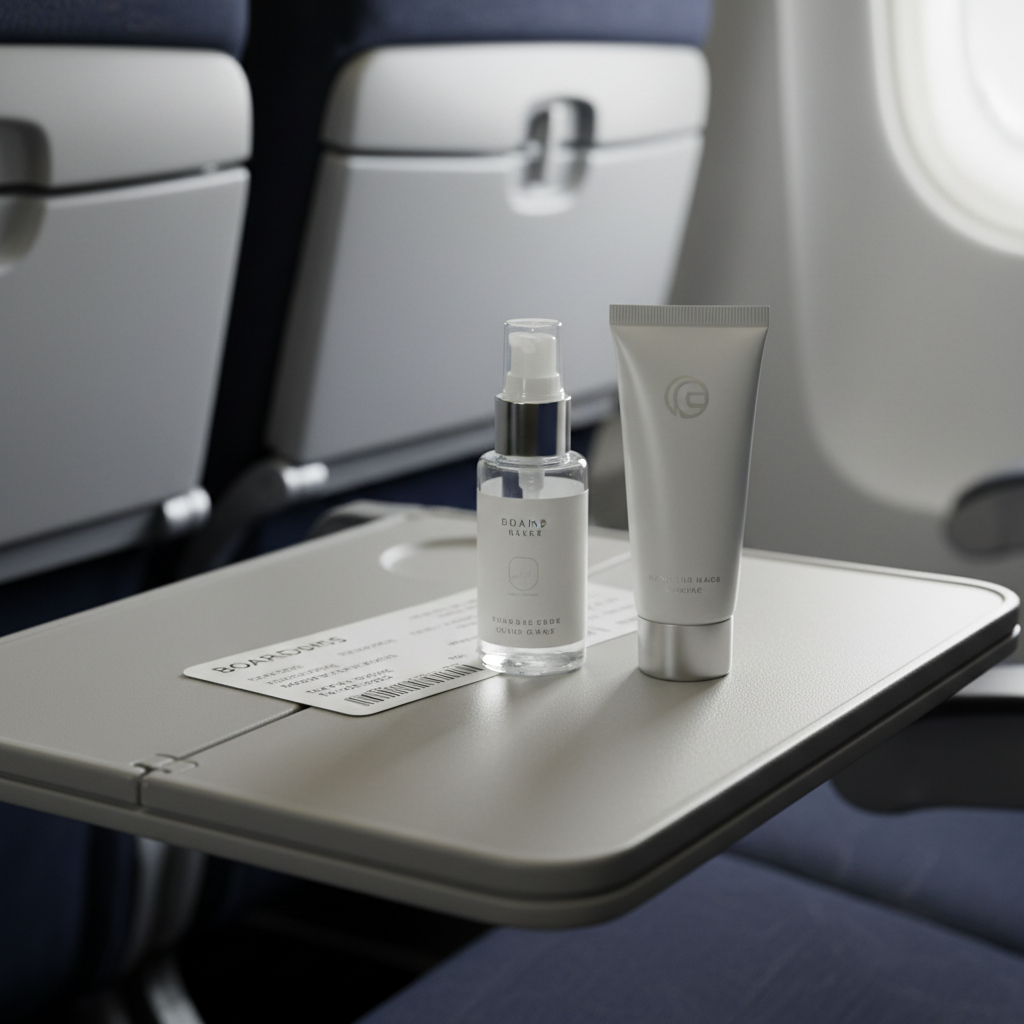
Key takeaway: if you want comfort plus hygiene, stop treating moisturizer as optional gear, it’s part of the system.
Mistakes that make a “moisturizing” sanitizer feel worse
- Using too little product: you end up reapplying, and that adds more drying cycles.
- Rubbing until it squeaks: aggressive rubbing can irritate already dry skin, firm coverage is enough.
- Assuming “natural” equals gentle: essential oils and heavy fragrance can irritate, especially in dry climates.
- Skipping lotion because it feels greasy: switch texture instead of skipping, a fast-absorbing cream often solves it.
According to FDA, consumers should use hand sanitizers as directed and keep them away from children to reduce accidental ingestion risk. If irritation persists or you see worsening cracking, it’s worth getting advice from a healthcare professional.
Conclusion: the “best” choice is the one you’ll actually use on the road
The best travel hand sanitizer moisturizing pick is typically an alcohol-based formula that meets the 60%+ baseline, adds humectants like glycerin, and comes in a leak-resistant travel size you can reach quickly. If dryness is your main issue, pairing it with a small hand cream usually beats hunting for a miracle bottle.
If you’re traveling soon, do two things today: choose a travel sanitizer with clear alcohol content, and pack a hand cream you like enough to reapply, even once or twice. Your hands will notice by day two.
If you need a more streamlined setup, you can also build a tiny “clean hands kit” for your bag, sanitizer, hand cream, and a few wipes, it saves time and reduces guesswork when you’re moving fast.