
Lighthouse travel destinations can look deceptively similar in photos, but once you start planning, the details matter fast: access roads, park rules, weather, and whether the “classic view” requires a long walk or a timed ticket.
If you want a trip that feels coastal and iconic without wasting a day in the wrong season or showing up at low tide with nowhere to stand, a little pre-work pays off. This guide narrows the choices, highlights what each region does best, and gives practical steps you can reuse for any lighthouse route.
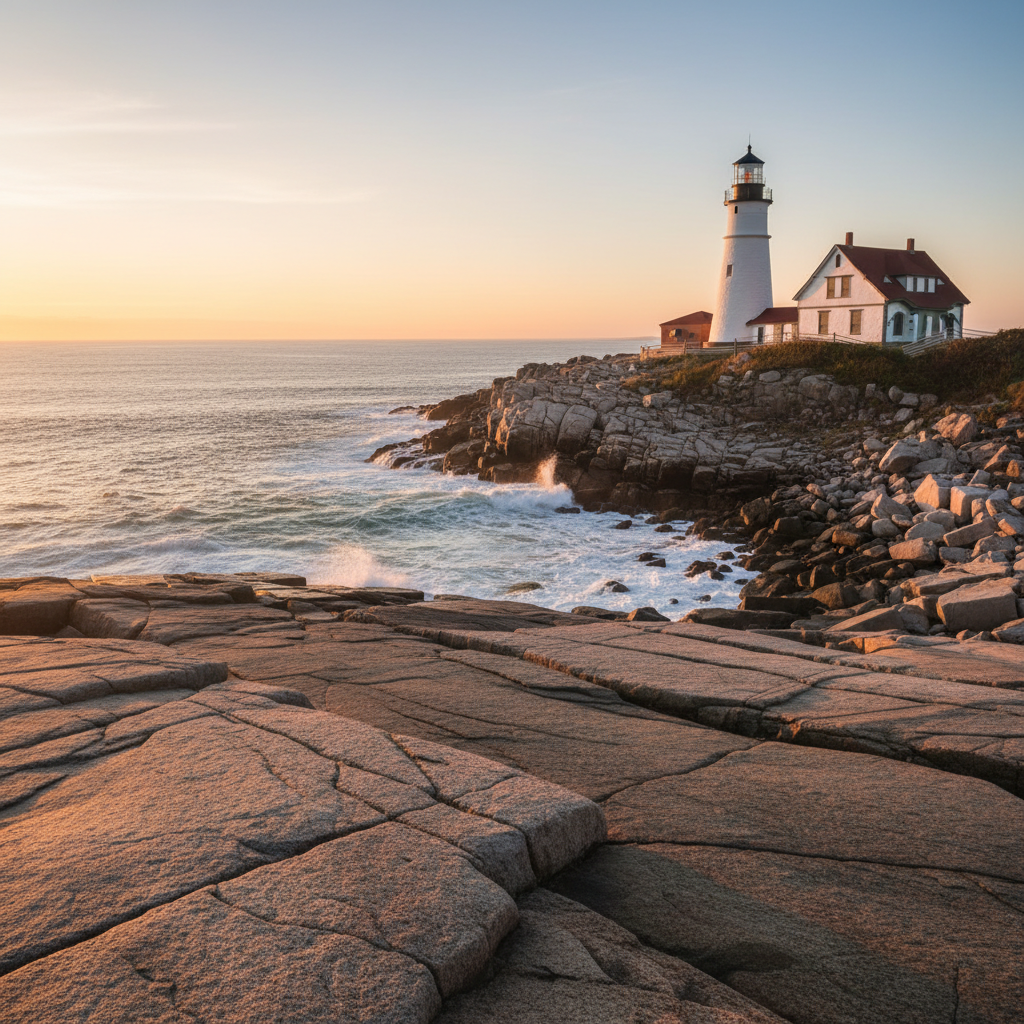
One quick reality check: some lighthouses are still active aids to navigation, others are museums, and a few are “drive-by scenic.” That difference affects hours, fees, and what you can safely do near cliffs or surf.
How to choose the right lighthouse trip (without overplanning)
Choosing lighthouse travel destinations usually comes down to four constraints, not “which one is prettiest.” Get these right and most trips feel smooth.
- Season and light: Summer brings longer days and tours, winter brings drama and fewer crowds, but also closures and rough seas.
- Access level: Some are roadside, others require ferries, steep stairs, or sand walks that turn a “quick stop” into a half-day.
- Your photo goals: If you want the postcard angle, you may need a specific trail, tide window, or sunrise direction.
- Time budget: A single lighthouse can be a 30-minute stop, or a full itinerary with beaches, seafood, and nearby towns.
According to the National Park Service, coastal conditions can change quickly and visitors should follow posted warnings near cliffs, rocks, and surf zones. In practice, if a viewpoint feels sketchy, it usually is.
Top scenic lighthouse regions in the U.S. (what each does best)
If you’re trying to narrow a map, think in regions first, then pick specific lights inside that region. Here are reliable starting points for U.S.-based travelers.
New England (Maine, Massachusetts, Rhode Island)
For many people, New England is the “signature” lighthouse look: granite, fog, fishing towns, and short scenic drives with frequent stops. Maine in particular stacks photogenic lights close together, but weather can be moody even in summer.
Mid-Atlantic (New Jersey, Delaware, Virginia, Maryland)
You get long beaches and barrier islands, plus easier access for families who want a lighthouse stop alongside boardwalk food and calm-water activities.
Great Lakes (Michigan, Wisconsin, Ohio)
These feel coastal without saltwater, and the scale can surprise first-timers. Many Great Lakes lighthouse travel destinations pair well with fall color trips, but wind can make shoreline access uncomfortable.
Pacific Coast (California, Oregon, Washington)
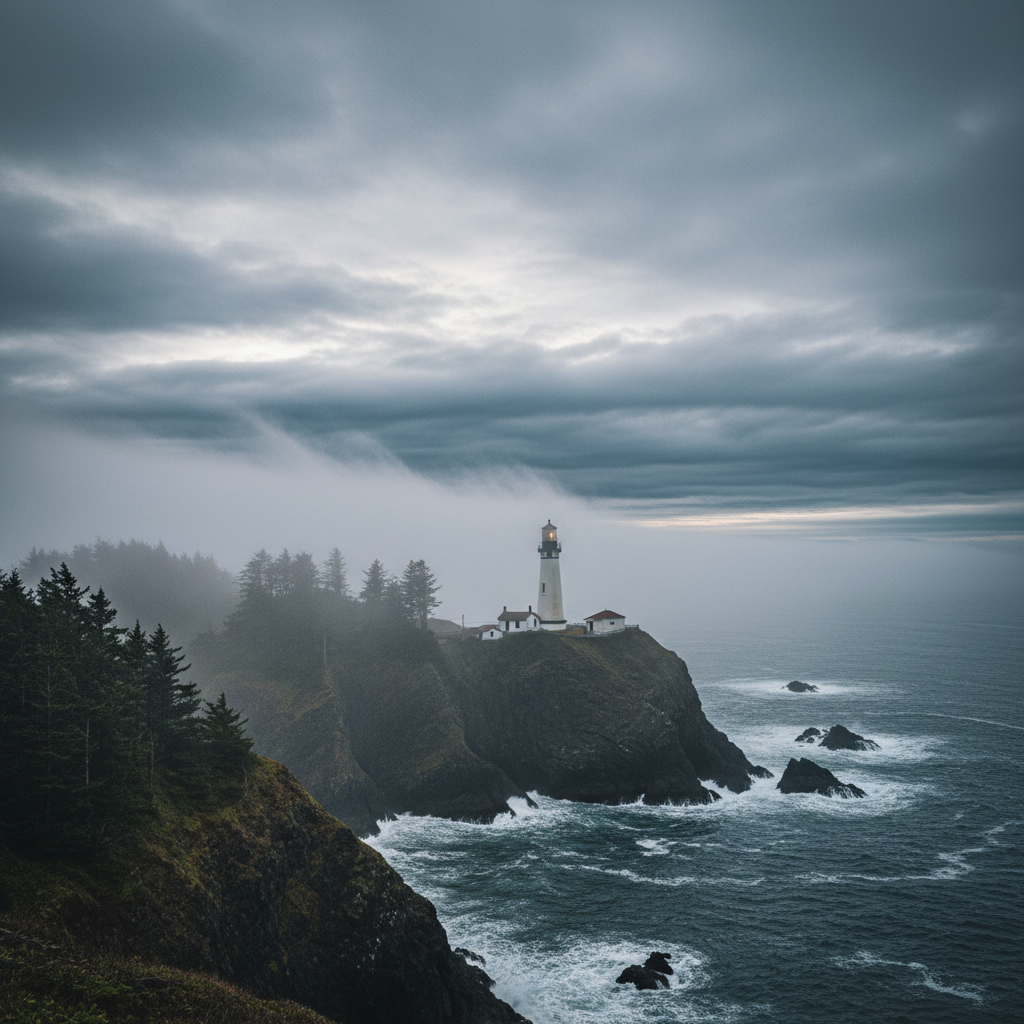
Bigger headlands, dramatic cliffs, and the kind of wide-open horizons that make a lighthouse look tiny in the frame, in a good way. Expect fog and layered clothing, even when inland cities feel warm.
Gulf Coast and Florida
Brighter water, easier beach days, and a more tropical palette. The tradeoff is heat, thunderstorms, and hurricane season timing, so you plan with flexibility.
Quick comparison table: pick a region that fits your travel style
If you’re deciding between two areas, this table is a practical shortcut. Use it to match your schedule and comfort level, then refine to specific stops.
| Region | Best for | Typical tradeoffs | Good time to go |
|---|---|---|---|
| New England | Classic lighthouse photos, short hops | Fog, crowds in peak summer | Late spring, early fall |
| Great Lakes | Less salt-spray, fall trips, road tripping | Windy shorelines, variable lake levels | September–October |
| Pacific Coast | Big scenery, cliffs, headlands | Fog, cooler temps year-round | Late spring to early fall |
| Mid-Atlantic | Family-friendly beach add-on | Less “rugged,” summer heat | May–June, September |
| Florida/Gulf | Warm-water beach days + lighthouse climbs | Storm risk in season, humidity | Winter–early spring |
A short list of iconic lighthouse travel destinations (by vibe)
Instead of an endless directory, here are well-known picks grouped by what they feel like. It’s a faster way to build an itinerary that matches your expectations.
- Postcard New England: Portland Head Light (ME), Nubble Lighthouse (ME), Pemaquid Point Light (ME)
- Outer Banks classic: Cape Hatteras Lighthouse (NC), Bodie Island Lighthouse (NC)
- Pacific drama: Heceta Head Lighthouse (OR), Pigeon Point Lighthouse (CA), Point Reyes Lighthouse (CA)
- Great Lakes gems: Holland Harbor Lighthouse “Big Red” (MI), Split Rock Lighthouse (MN)
- Florida climb + views: St. Augustine Lighthouse (FL), Ponce de Leon Inlet Lighthouse (FL)
Availability varies: some towers allow climbing only on certain days, and restoration work can limit access. It’s worth checking the official site or park page the week you travel.
Practical planning steps (what experienced travelers do)
Once you pick your general area, this is the part that prevents most “we drove two hours for a locked gate” moments.
1) Confirm access, hours, and closures
- Check if the lighthouse sits on federal park land, a state park, a town property, or private grounds.
- Look for notes about seasonal tours, stair closures, or limited parking.
2) Build a realistic route with buffer time
- For coastal roads, add padding for slow traffic, scenic pull-offs, and one “unplanned” stop.
- If ferries are involved, plan around the schedule, not your ideal timeline.
3) Plan for tide, wind, and fog where relevant
Not every lighthouse is tide-sensitive, but many “best angles” sit on rocks or beaches that disappear at high tide. If you’re unsure, ask a ranger or local visitor center, they usually know the safe viewing spots.
4) Pack for the climb and the coast
- Footwear: grippy shoes beat fashion sneakers on wet rocks and uneven paths.
- Layers: coastal wind can feel colder than the forecast suggests.
- Binoculars: useful for spotting offshore views when tower climbs are closed.
Safety, etiquette, and common mistakes (skip the regret)
Most lighthouse trips are easy, but coastal environments punish complacency. A few habits make your day safer and more respectful.
- Don’t chase waves on rocks: rogue waves can happen, and wet algae-covered stone turns slippery fast.
- Respect fences and closures: they’re often there for erosion, nesting birds, or unstable cliffs, not to ruin your photo.
- Arrive earlier than you think: parking at popular sites can turn into a 45-minute loop.
- Drone rules vary: many parks restrict drones; check the specific land manager’s policy before launching.
According to the U.S. Coast Guard, navigation aids help keep waterways safe; in some areas, that means equipment and restricted zones near active structures. Treat these places like working infrastructure, not just scenery.
Key takeaways (so you can book with confidence)
- Pick a region first, then narrow to 3–6 stops that fit driving time and access.
- Plan around conditions that affect viewpoints: fog, wind, tides, and seasonal hours.
- Bring the right basics (layers, grippy shoes), and you’ll enjoy more time on site.
- Check official pages the week of travel to avoid closures and restoration surprises.
If you’re torn between two lighthouse travel destinations, choose the one that matches your season and mobility needs, you’ll get better views and less friction.
FAQ
What are the best lighthouse travel destinations for a weekend trip?
Look for clusters where you can see 2–4 lighthouses without long drives, New England coastal routes and parts of the Mid-Atlantic often work well. The “best” weekend is usually the one with simple logistics and one strong anchor stop.
Do I need tickets to climb lighthouse towers?
Sometimes. Many towers sell timed tickets or run guided climbs, and some are free but limited by staffing. Checking the official site before you drive out saves the most frustration.
When is the best time of day for lighthouse photos?
Golden hour is reliable, but the “right” time depends on the lighthouse’s orientation and what you want in the background. If the signature view faces east, sunrise can outperform sunset by a mile.
Are lighthouse travel destinations good for kids or older travelers?
Yes, if you pick access-friendly stops. Not every lighthouse requires stairs; many have excellent ground-level viewpoints, short trails, and visitor centers, which can be a better fit than a tower climb.
How many lighthouses should I plan in one day?
For most road trips, 2–3 is comfortable if there’s driving involved, especially when you add parking, short walks, and meals. More than that can start to feel like checking boxes instead of enjoying the coast.
What should I pack for a lighthouse road trip?
Layers, water, sunscreen, and shoes with traction cover most situations. If you’re visiting remote viewpoints, a small first-aid kit can be sensible, and if you have medical concerns, it’s smart to consult a professional before strenuous climbs.
Are these destinations accessible year-round?
Many are viewable year-round, but tower access and visitor centers often run seasonally, especially in colder regions. Winter can be beautiful, just expect fewer services and more weather-related changes.
Pick one region, choose a small handful of stops, and confirm access a few days out, that’s usually the difference between a scenic day and a stressful one. If you’re ready to plan, start by saving 3 lighthouse travel destinations that match your season, then build the driving loop around the simplest parking and the clearest viewpoints.