
Best travel guide for spain 2026 usually comes down to one thing: helping you pick the right places at the right time, without overplanning or missing the practical stuff that makes a trip feel easy.
If you are traveling from the US, Spain can look simple on a map but feel surprisingly complex once you start comparing regions, festivals, train routes, and hotel pricing. Barcelona and Madrid are obvious, but the real decisions are about pace, heat, crowds, and what you want your days to feel like.
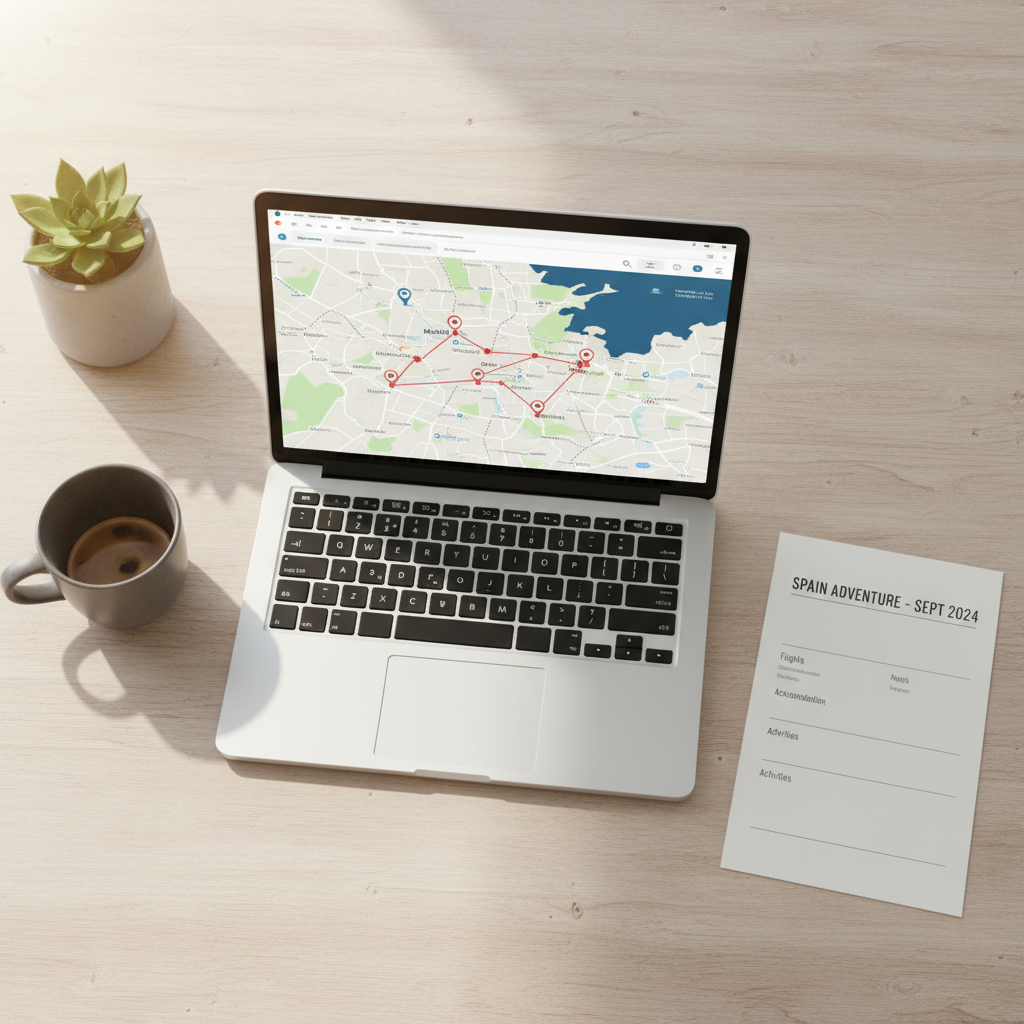
This guide focuses on what tends to matter in 2026: how to time your trip, how to move between cities efficiently, what to reserve early, and where travelers often waste money. You will also get a quick table and a few ready-to-use itineraries, so you can stop researching and start booking.
When to go in 2026: weather, crowds, and what you actually want
Picking dates is the highest-leverage decision in any best travel guide for spain 2026, because it affects prices, comfort, and how much time you spend in lines. Many US travelers underestimate summer heat in the south and overestimate how “quiet” winter feels in big cities.
- Spring (Mar–May): Often the sweet spot for Andalusia, Madrid, and day trips. Expect lively weekends and higher prices around Easter.
- Summer (Jun–Aug): Beach season, long daylight, and heavy crowds in Barcelona and the islands. Inland south can feel punishing in peak heat, plan siesta-style days.
- Fall (Sep–Oct): Warm water, better city walking weather, and generally calmer museums. A lot of repeat visitors choose this window.
- Winter (Nov–Feb): Lower prices in many places, shorter days, and a different vibe. Northern coast can be wet, ski areas come alive.
According to Spain’s national tourism site (Spain.info), Spain’s regional climate varies significantly by coast, plateau, and mountains, so it pays to plan by region rather than assuming one “Spain weather.”
Quick planning table: match your travel style to the right Spain route
Instead of chasing every famous spot, match Spain to your energy level and interests. This table is a practical way to choose your backbone route, then add day trips.
| Travel style | Best base route | Ideal trip length | Reserve early |
|---|---|---|---|
| First-time highlights | Madrid → Seville → Barcelona | 10–14 days | Sagrada Família, Alhambra, AVE trains |
| Food + wine | San Sebastián → Rioja → Madrid | 7–12 days | Top pintxos tours, wineries with drivers |
| Beach + slow pace | Valencia → Costa Blanca or Mallorca | 7–10 days | Summer hotels, ferry/flight times |
| History + architecture | Granada → Córdoba → Seville | 6–9 days | Alhambra tickets, cathedral climbs |
How to get around Spain without burning time (and patience)
Transportation is where many itineraries quietly break. Spain’s high-speed rail is fantastic between major cities, but not every scenic area connects well by train. Plan the “big jumps” first, then fill in local days.
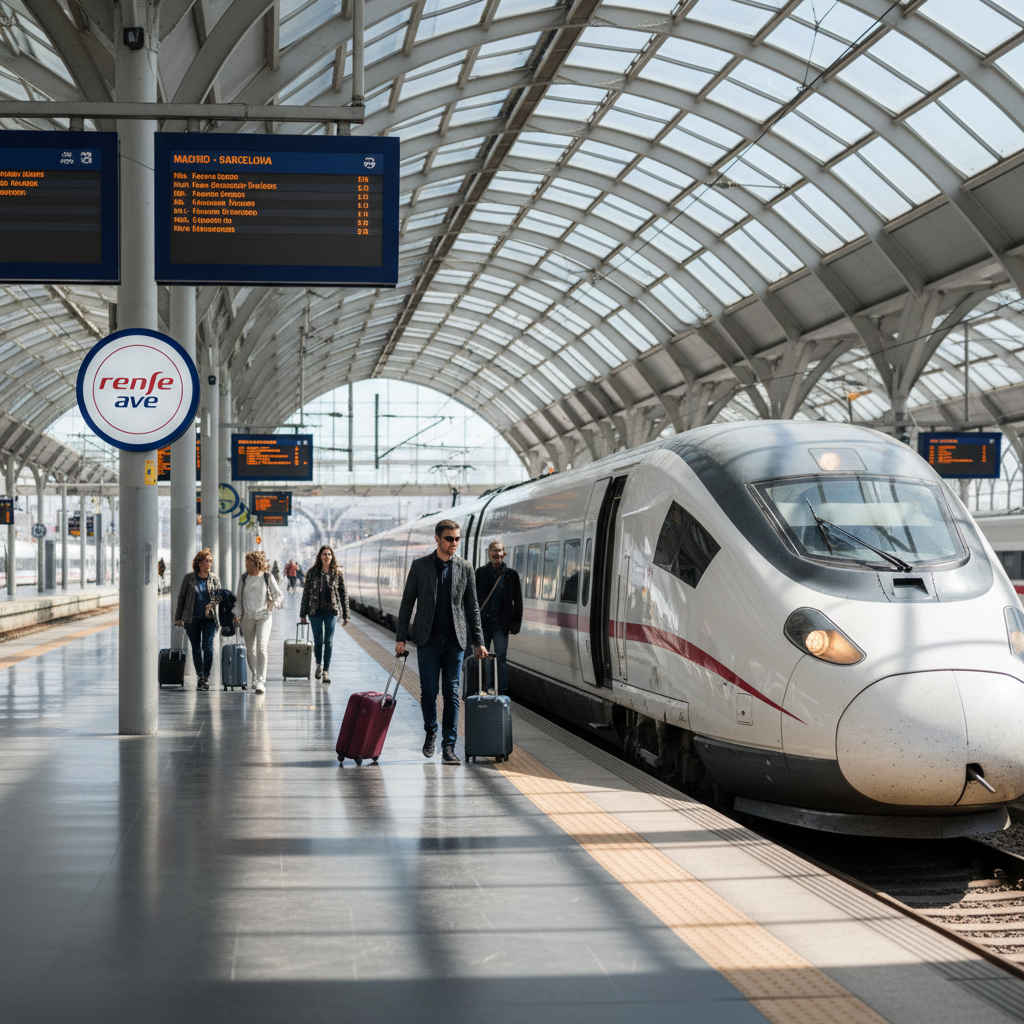
What works well for most US travelers:
- High-speed rail (AVE and similar): Great for Madrid–Barcelona, Madrid–Seville, Madrid–Valencia. Book earlier for better seat selection and prices.
- Regional trains: Fine for shorter hops, but allow buffer time and check schedules, especially on Sundays.
- Flights: Useful for islands and for long cross-country jumps when rail adds transfers.
- Car rental: Best for white villages, wineries, and rural coastal stretches. City driving and parking can be a headache, keep cars out of Madrid/Barcelona if you can.
According to Renfe, Spain’s rail operator, ticket availability and pricing vary by route and release schedule, so flexible departure times often make booking easier.
Bookings that can make or break your trip
If you only listen to one section of this best travel guide for spain 2026, make it this: a few attractions and experiences sell out early, and the rest can stay flexible. Over-reserving every hour usually backfires, especially with jet lag.
High-priority reservations
- Alhambra (Granada): Timed entry, limited capacity. Choose your day first, then build the Andalusia sequence around it.
- Sagrada Família (Barcelona): Timed slots go quickly in peak periods, sunsets can be especially popular.
- Park Güell (Barcelona): Controlled entry to the monumental zone.
- Popular restaurants: In places like San Sebastián, the “must-try” spots can require planning, even if you also eat casually.
Usually safe to keep flexible
- Most museums outside peak weekends
- Day trips where you can choose between guided tour vs DIY transit on the day
- Neighborhood wandering, markets, beaches, tapas hopping
According to UNESCO, Spain has multiple World Heritage sites across regions, and many operate with timed entry or capacity controls during busy periods, so checking official ticketing pages matters more than relying on third-party assumptions.
Self-check: what kind of Spain trip are you actually planning?
This is the quick gut-check I wish more travelers did before they book nonrefundable hotels. Your answers will steer you toward the right regions and the right pace.
- I want big-city energy (museums, nightlife, shopping): lean Madrid + Barcelona, add one smaller city for contrast.
- I want postcard Spain (patios, Moorish architecture, flamenco): prioritize Andalusia, keep summer heat in mind.
- I want food to be the trip: Basque Country and Madrid make planning easy, add a wine area with a driver if you plan tastings.
- I get overwhelmed by moving hotels: choose two bases, do day trips, and save the “grand tour” for another year.
- I am traveling with kids or older parents: reduce transfers, choose central hotels, and plan one “anchor” activity per day.
Practical 2026 itinerary starters (steal these and adjust)
These are not fantasy itineraries, they are built around realistic transit, meal timing, and the fact that most people do not want to sprint across Spain every day.
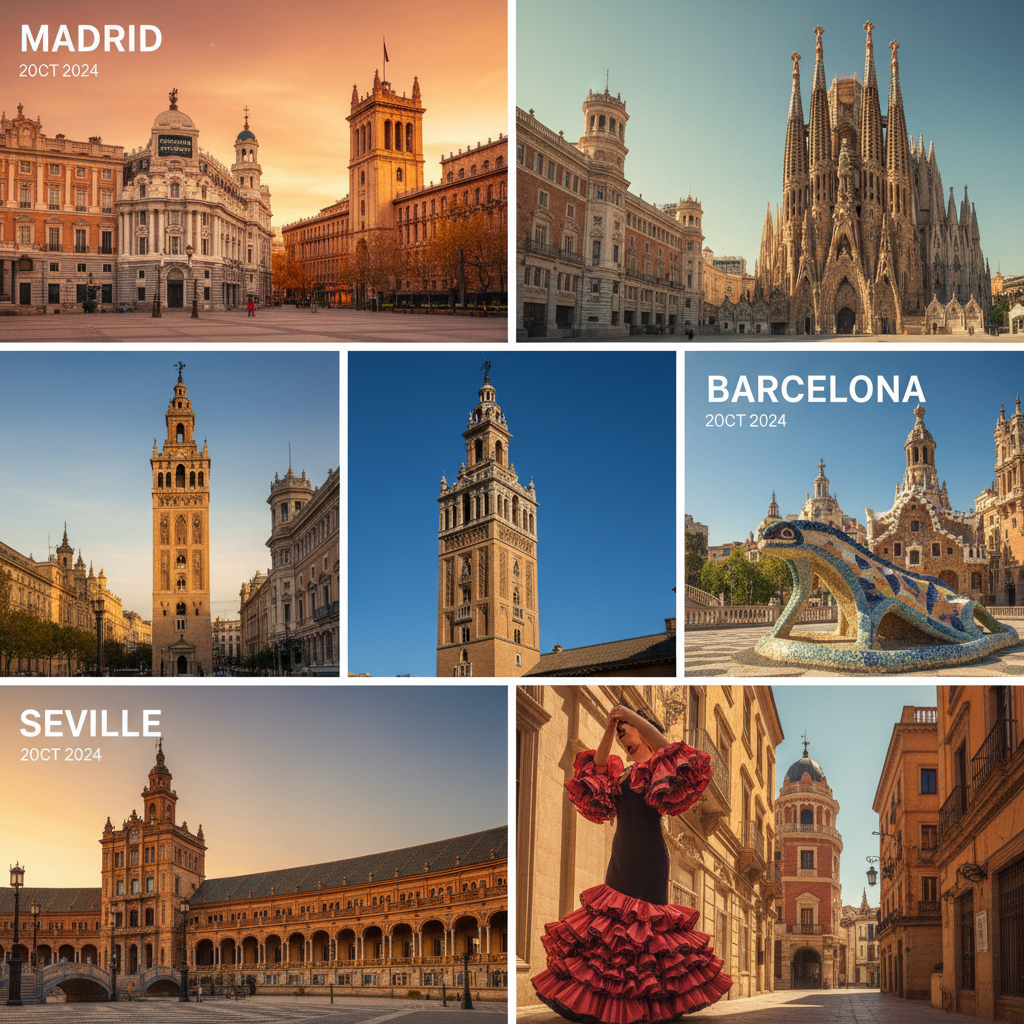
7 days: Madrid + Andalusia sampler
- Days 1–3: Madrid with one easy day trip (Toledo or Segovia)
- Days 4–5: Seville, keep afternoons lighter
- Days 6–7: Granada for Alhambra and a slower finish
10 days: Classic first-timer route
- Days 1–3: Madrid, museums and neighborhoods
- Days 4–6: Seville (with Córdoba as a day trip if energy is good)
- Days 7–10: Barcelona, mix architecture with beach time
14 days: Add the north without chaos
- Start with Barcelona and the coast, then train to Madrid
- Madrid as the hub, then fly or train to San Sebastián
- Finish in the north for food and cooler evenings, then depart via Madrid or Bilbao depending on flights
Money, safety, and small cultural details Americans often miss
You do not need a complicated rulebook, but a few habits prevent the most common headaches. If you follow travel advisories from official sources, you can usually avoid the high-friction situations.
- Budget reality: Big cities and islands can feel expensive in peak season, while many inland areas stay reasonable. Build a buffer for attraction tickets and taxis after late dinners.
- Pickpocket risk: Busy tourist zones can be higher risk, keep phones and passports secure. According to U.S. Department of State, travelers should stay aware of petty crime patterns in crowded areas.
- Late dining: Dinner often starts later than many Americans expect, plan a snack window so you do not end up hangry at 6 pm.
- Cash vs card: Cards work widely, but small cafés or markets may prefer contactless or small purchases, carry a little cash for friction-free moments.
- Health and medication: If you travel with prescriptions, bring originals and documentation, and if you have complex health needs, it is smart to ask a clinician about travel timing and heat exposure.
Key takeaways before you book
- Choose dates by region, not by a generic “Spain weather” assumption.
- Lock the few sell-out items early (Alhambra, Sagrada Família, key trains), keep the rest flexible.
- Plan around transit reality: fast rail is excellent, but rural Spain often rewards a car or a guided day trip.
- Build a trip that matches your pace, two bases often beats five hotel changes.
If you want the simplest next step, pick one route from the table, choose your season, and price flights plus two central hotels. Once those look good, add reservations that actually sell out, and stop there.
Conclusion: a Spain trip that feels good beats a Spain trip that covers everything
The best trips in Spain usually have one clear backbone and plenty of room for small surprises, a long lunch, a neighborhood you did not plan, the second museum you only visit because you felt like it. Use this best travel guide for spain 2026 to get the “hard parts” right, then let the days breathe.
Action idea for today: pick your travel window, then draft a two-base plan and list the three reservations you are willing to commit to, everything else can stay adjustable.
If you are planning a first-time Spain trip and would rather not juggle train schedules, timed tickets, and neighborhood tradeoffs, a lightweight custom itinerary review can save time and prevent small mistakes that snowball, especially when your dates are fixed.