
A public transport travel guide matters most when you land in a foreign city tired, offline, and staring at a ticket machine that makes zero sense.
Most transit systems are safe and straightforward once you learn the local logic, but visitors often lose time on tiny details, like validating a paper ticket, picking the wrong fare zone, or boarding a bus that only accepts exact change or a specific card.
This guide focuses on practical decision points, what to check before you ride, how to pay, and how to avoid the common “I did what works at home” mistakes that get travelers stuck at gates or fined.
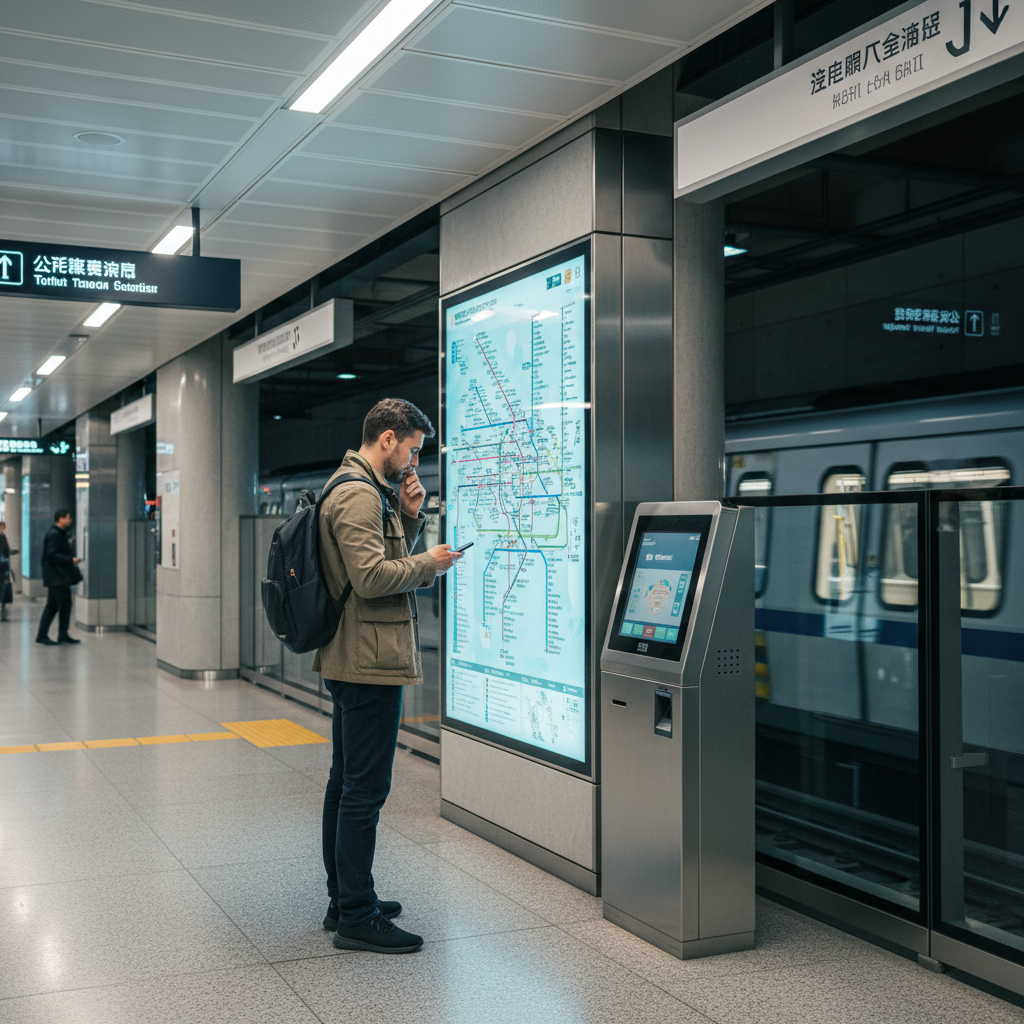
Understand the local transit “shape” before you plan routes
The fastest way to feel confident is to figure out what the city is built around, because every network has a backbone. Some cities run on a dense metro grid, others rely on buses plus a couple of rail lines, and some have commuter rail that behaves more like an intercity service.
What to look for in 5 minutes
- The primary mode: metro/subway, bus, tram, commuter rail, ferry.
- Operating pattern: frequent all day, or peaky commuter schedules.
- Coverage vs. speed: buses reach everywhere, rail is usually faster and simpler.
- Late-night reality: “24/7” is rare; night buses may replace trains.
According to U.S. Department of State, travelers should plan transportation in advance and use reputable services, especially at night, which applies to public transit choices too when stations are isolated or service is limited.
Tickets, passes, and payments: where visitors usually slip up
If your trip has one predictable pain point, it is payment rules that differ from U.S. expectations. A public transport travel guide is really a ticketing guide in disguise.
Common fare systems you’ll run into
- Flat fare: pay once per ride, sometimes with timed transfers.
- Zone-based: price depends on where you start and end, easy to misjudge with suburbs and airports.
- Distance-based: tap in and tap out, the system calculates the fare.
- Proof-of-payment: no turnstiles, random inspections, fines can be steep.
Validation is not optional in many cities
Paper tickets or even some mobile tickets need a separate validation step before boarding or right after you enter. Skipping it can count as fare evasion even if you paid. If you see little stamping machines near platforms, on trams, or inside buses, assume validation matters until you confirm otherwise.
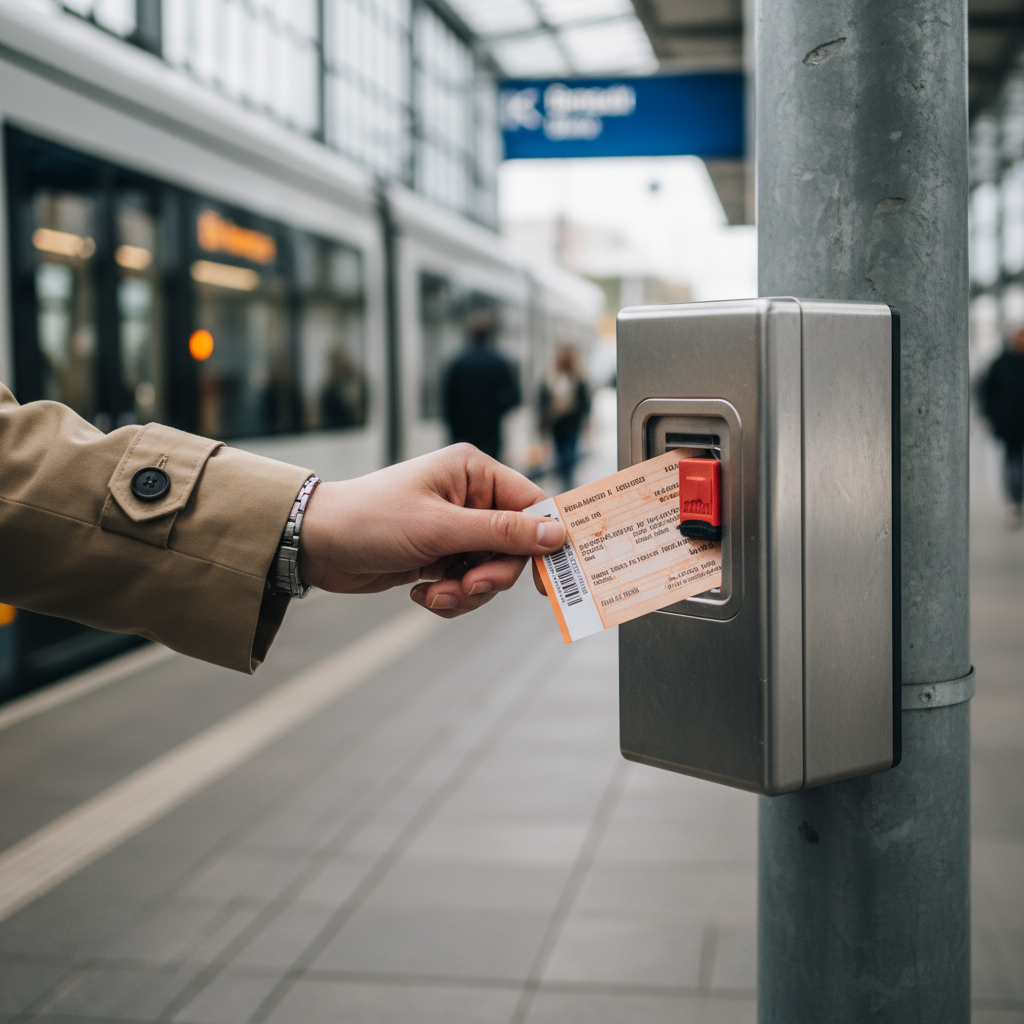
Quick comparison table: what to buy for your trip
Use this as a starting point, then confirm on the official transit site or station signage, because pass rules vary by city and sometimes by airport line.
| Trip style | What usually works | Watch-outs |
|---|---|---|
| 1–2 days, few rides | Stored-value card or single tickets | Single tickets may expire fast, validation rules |
| 3–5 days, heavy sightseeing | Unlimited day pass (24/48/72h) | Some passes exclude airport trains or premium lines |
| Staying outside center | Zone pass or distance-based card | Wrong zone triggers fines, especially on rail |
| Family traveling together | Group ticket or family day ticket | Age cutoffs differ, time windows can be strict |
Apps and offline prep that actually help (and what to ignore)
You do not need ten apps, but you do need the right two: one for routing and one official source for service alerts and fare rules. Many travelers rely on routing alone, then get surprised by a strike, a station closure, or a special airport fare.
A simple setup for most cities
- Routing app: pick one you trust for transit directions and live ETAs.
- Official transit app or website: for fares, validation, disruptions, and line maps.
- Offline backups: save your hotel address, the nearest major station, and a screenshot of the line map.
Also check if the city uses QR tickets, NFC tap-to-pay, or a local transit card that needs initial setup. If you’re unsure whether your U.S. card will work for tap-to-pay, carry a small cash backup for the first ride and sort it out when you’re less rushed.
Airport to city center: the first ride sets the tone
The airport leg is where visitors overpay or choose the wrong service, partly because airports have extra options: express trains, commuter rail, metro extensions, and sometimes private “airport shuttle” brands that are not public transport at all.
How to choose fast without overthinking
- Prioritize clarity over small savings if you arrive late or exhausted. A direct rail line often reduces decision stress.
- Confirm the fare class for airport lines, many cities treat them as premium services.
- Check where it drops you, the “central” station might be inconvenient for your neighborhood.
According to Transportation Security Administration (TSA), travelers should keep personal items secure and maintain awareness in crowded areas, which is relevant in airport rail stations where luggage and distractions make you an easy target for petty theft.

Riding etiquette and small rules that prevent big headaches
Most etiquette is intuitive, but a few local norms matter because they affect boarding, seating, and whether people help you when you look lost.
- Boarding flow: let riders exit first, and stand aside from doors, not in front of them.
- Priority seating: treated more seriously in many countries than in the U.S., even if nobody says anything.
- Quiet cars: common on regional rail, phone calls may be frowned on or prohibited.
- Escalators: stand on one side, pass on the other, watch what locals do.
- Food and drink: rules vary, fines can apply in some systems.
One more practical thing, keep your ticket or validation proof until you exit the system, inspectors can appear mid-ride, and some metro gates require the same ticket to get out.
Self-check: what kind of transit user are you on this trip?
This is the part people skip, then they buy the wrong pass. Pick the closest scenario, and tailor your plan around it.
- You’ll take 2–3 rides per day: stored-value card or contactless tap often beats day passes.
- You’ll hop constantly between neighborhoods: time-based unlimited pass usually pays off, plus less mental load.
- You’ll do mostly walking with one long commute: single tickets can be fine, but learn validation rules.
- You’re visiting multiple cities: treat each city as a new system, do not assume ticket rules transfer.
- You have mobility needs: research elevator access and step-free routes, some older networks are uneven.
Practical step-by-step plan for your first 24 hours
Here’s a simple routine that works in many places and keeps the first day from turning into a series of small, expensive mistakes.
Before you leave your lodging
- Identify your nearest station or stop, plus a second option in case the first is closed.
- Save the official fare page or take screenshots of the key ticket types.
- Decide your “fallback” route home for late evening, even if it is slower.
At the station or stop
- Buy the simplest ticket that clearly covers your ride, especially if you’re still learning zones.
- Watch one local rider tap/validate, then mimic the sequence.
- Keep your card and ticket accessible, gate areas punish fumbling.
On board
- Track your stops, but avoid staring at your phone near doors.
- If you miss your stop, stay calm, get off at the next one, and reroute, many systems make backtracking easy.
Common mistakes (and how to avoid wasting time)
- Assuming you can always tap a U.S. credit card: some cities require a local card, or only accept certain networks.
- Buying a pass that excludes the airport: very common, especially with express services.
- Confusing “train” types: metro, regional rail, and express can share platforms but use different tickets.
- Ignoring service alerts: weekend maintenance can break a perfect route, check official updates.
- Over-optimizing: saving $2 is not worth an hour of confusion on your first day.
When to get extra help or choose a different option
Public transit is usually a good choice, but some situations call for more caution or a simpler plan. If you feel unwell, are traveling with very young kids and lots of bags, or arrive very late when service thins out, a licensed taxi or reputable ride-hail might be more practical. If you have health or mobility concerns, it may help to consult a medical professional about travel readiness, and then check accessibility details on the official transit site for step-free access.
According to Centers for Disease Control and Prevention (CDC), travelers should plan ahead for health needs and consider local conditions, which can include crowded transit during outbreaks or seasonal illness peaks.
Conclusion: ride like a local without pretending you are one
A public transport travel guide works best when you treat transit as a system to learn, not a puzzle to beat. Get the fare rules right, keep validation in mind, and use official sources for alerts, then your routes become routine fast.
If you do one thing today, decide what ticket type fits your ride pattern, and save the official fare page on your phone so you can double-check details when you’re standing at the machine.
FAQ
What’s the fastest way to figure out if I need to validate my ticket?
Look for validation machines near platforms or inside vehicles, and scan the ticket itself for wording about stamping or activation. When in doubt, ask staff or watch what locals do before you board.
Is a day pass always cheaper than single tickets?
Not always. If you take only a couple of rides, stored value or singles can cost less, and some day passes exclude premium airport lines, which surprises many visitors.
How do I avoid buying the wrong zone ticket?
Start by confirming whether the city uses zones at all, then check the zone map for your destination, especially airports and outer neighborhoods. If the system is confusing, buy a ticket that clearly covers one extra zone rather than gambling.
Which is safer at night, metro or bus?
It depends on the city, station location, and crowd levels. Many systems are safe, but quieter stations and long waits can feel uncomfortable, so it can be smarter to choose brighter, busier routes or use a reputable alternative late at night.
What should I do if ticket inspectors stop me and I’m confused?
Stay calm, be polite, and show what you have, including any validation proof in your app or on the ticket. If you think there’s a misunderstanding, ask how to pay or appeal following the official process posted by the operator.
Do I need cash for buses in foreign cities?
Sometimes. Many cities have gone cashless, but others still require exact change or a local transit card, so carrying a small amount of local currency on day one can save you trouble.
How can I plan routes if I won’t have data abroad?
Download offline maps where possible, screenshot the key lines you’ll use, and save your lodging address and nearest major station. Also keep the hotel phone number or address in your notes in case you need help.
If you’re planning multiple stops and want a more streamlined setup, build a short checklist for each city: official fare link, airport-to-center options, validation rules, and a screenshot of the line map, it takes ten minutes and usually saves an hour of friction later.