
best underrated travel destinations 2026 is usually code for one thing: you want a trip that feels fresh, not a line you stand in for an hour just to take the same photo as everyone else.
That search makes sense, because “popular” often comes with higher prices, tougher reservations, and a travel experience that can feel a little staged, especially during U.S. school breaks and big holiday windows.
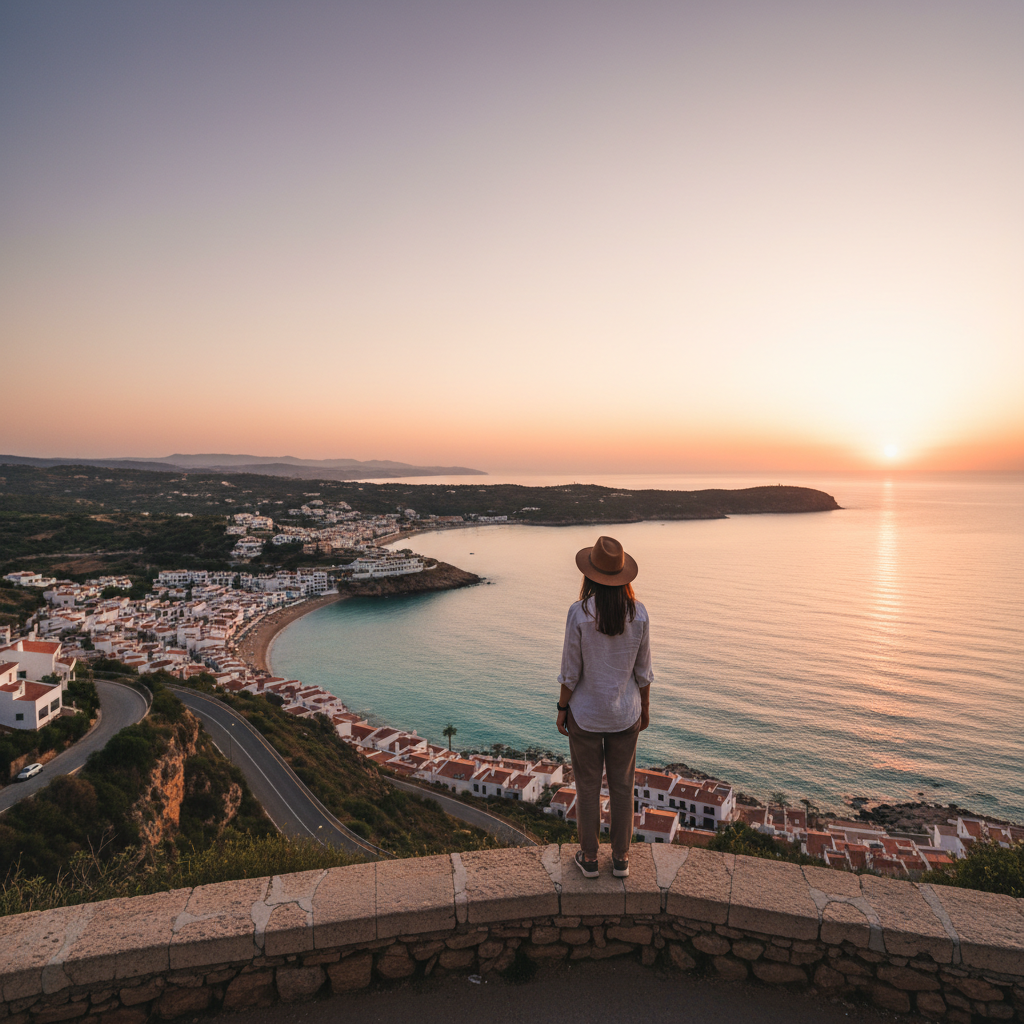
One quick reality check though: “underrated” changes fast, a destination can go from calm to crowded in one viral season, so this guide focuses on places that tend to stay lower-profile because of geography, seasonality, or limited flight volume.
You’ll get a practical shortlist, a quick decision checklist, and planning steps that help you keep the trip low-stress, which is the whole point.
What “Underrated” Really Means in 2026 (and what it doesn’t)
In travel planning, underrated rarely means unknown, it usually means “not currently over-sold to my feed.” A place can be famous locally, even busy on weekends, and still feel underrated for U.S. travelers if it’s not on the default itinerary.
Here are the signals that a destination often stays a better-value pick than the headline cities:
- Seasonal balance: it has a clear shoulder season where weather stays decent but crowds drop.
- Access friction: one extra connection, a ferry, or a train ride keeps day-trippers away.
- Distributed attractions: not just one “must-see” spot that everyone piles into at 10 a.m.
- Local-first infrastructure: more everyday life, fewer “tour bus only” blocks.
What underrated does not mean: no tourists at all, or a guarantee of low prices, or a promise that you’ll feel safe everywhere at every hour. Treat it as a probability game, not a certainty.
Best Underrated Travel Destinations 2026: Quick Picks Table
If you want the fast scan, this table is the “where should I even start” view. After that, I’ll break down who each place fits and how to plan it without overcomplicating things.
| Destination | Why it’s underrated | Best for | Ideal time window |
|---|---|---|---|
| Alentejo, Portugal | Wine + coastline + small towns without Lisbon-level crowds | Road trips, food, slower pace | Apr–Jun, Sep–Oct |
| Slovenian Istria (Koper, Piran) | Adriatic vibes with fewer cruise crowds than nearby hotspots | Couples, scenic walks, seafood | May–Jun, Sep |
| Jura, France | Alps-adjacent landscapes, wine villages, low-key trails | Hiking, wine, quiet countryside | Jun–Sep |
| Azores, Portugal | Volcanic nature, hot springs, limited mass tourism | Outdoors, nature photography | May–Oct |
| Gjirokastër & the South, Albania | Culture + mountain towns + beaches nearby, still emerging | History, value seekers | May–Jun, Sep |
| Jeju (off-peak), South Korea | Nature island with strong local culture, calmer outside peak | Food, hikes, coastal drives | Mar–May, Oct–Nov |
| Western Tasmania, Australia | Big wilderness, fewer city-driven itineraries | Serious nature, cooler weather trips | Dec–Mar (local summer) |
| Quebec’s Gaspé Peninsula, Canada | Rugged coast, charming towns, under the radar vs. Banff | Road trips, whales, seafood | Jun–Sep |
Destination Notes: Who Each Place Fits (and how to do it right)
Below are quick, opinionated notes, because this is where most people get stuck: not “is it pretty,” but “will it match my energy and logistics.”
Alentejo, Portugal
Think whitewashed hill towns, wide beaches, and wineries where you’re not elbow-to-elbow. If you liked Portugal but felt Lisbon and Porto were a bit intense, Alentejo often lands better.
- Do: base in Évora or a small coastal town, rent a car for flexibility.
- Skip: trying to pack it into one day from Lisbon, it defeats the point.
Slovenian Istria (Koper, Piran)
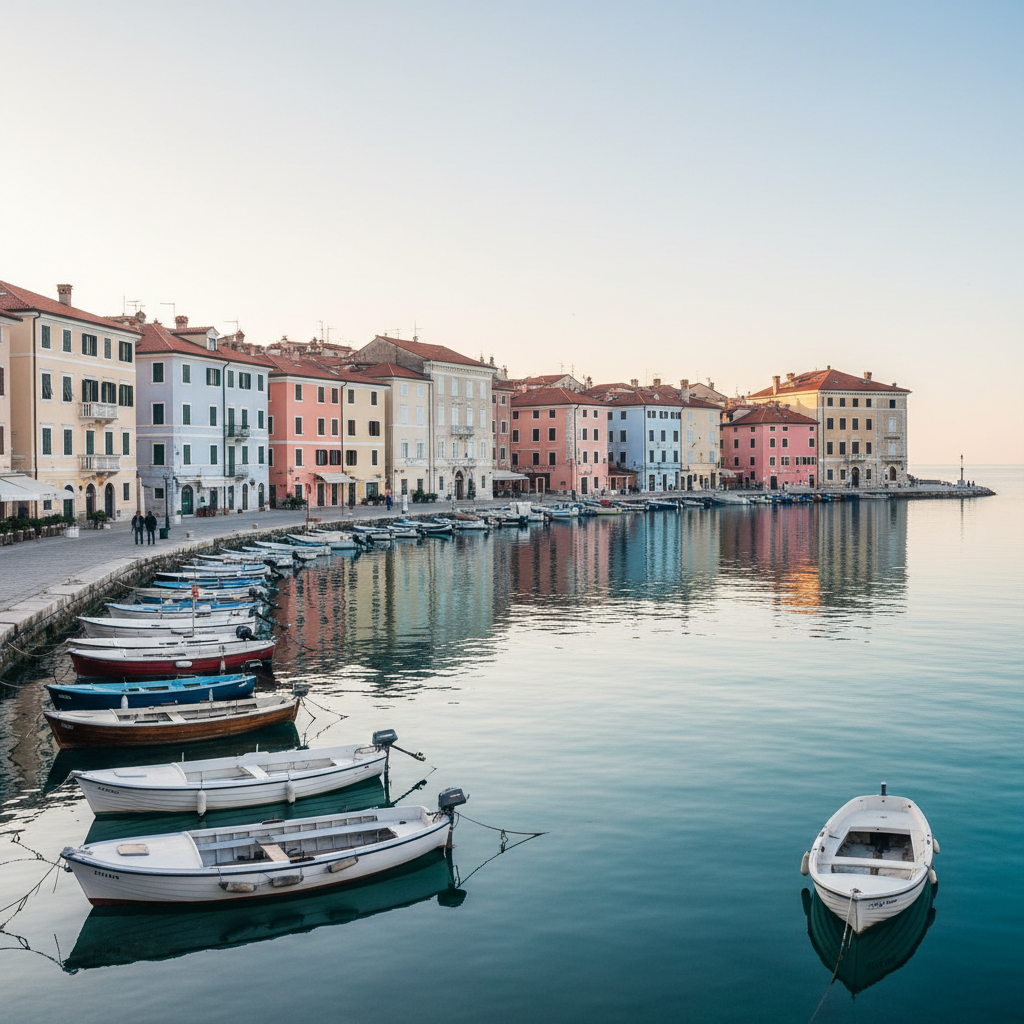
Small, walkable, and photogenic, with easy side trips inland. Many U.S. travelers fly past it toward bigger Adriatic names, which is why it stays comparatively relaxed.
- Do: two nights minimum, sunset waterfront strolls, seafood lunch timing early.
- Watch: summer weekends can spike, book lodging ahead in July–August.
Jura, France
If you love the idea of France but not the pressure of “doing Paris right,” Jura is a calmer alternative with forests, lakes, and wine villages that feel lived-in.
- Do: build days around short hikes + long meals, that rhythm works here.
- Tip: a car helps a lot, public transport exists but can be limiting.
Azores, Portugal
Volcanic craters, thermal pools, and moody coastlines. It’s not “easy beach resort” energy, it’s “bring a light jacket and go outside” energy, which is exactly why many people love it.
- Do: pick one or two islands, avoid island-hopping every other day.
- Watch: weather shifts fast, keep your schedule flexible.
South Albania (Gjirokastër + nearby coast)
Great if you want history, mountain views, and a beach add-on without paying peak Mediterranean pricing. It’s also a place where planning details matter more.
- Do: stay in Gjirokastër for culture, then move to the coast for downtime.
- Watch: roads and drive times can be slower than maps suggest.
Jeju, South Korea (off-peak)
Jeju can be busy, but outside peak domestic travel windows it becomes a different island: quieter trails, slower coastal towns, and a food scene that rewards curiosity.
- Do: plan around hikes and markets, and rent a car if you want to roam.
- Watch: storms and wind, especially in shoulder seasons.
Western Tasmania, Australia
Big nature, cool air, and dramatic landscapes. It’s underrated mostly because it’s not a “two-day add-on” to a city trip, it wants commitment.
- Do: pick a few anchor parks and give yourself buffer days.
- Watch: changeable conditions, ask locally about trail status.
Gaspé Peninsula, Quebec
A classic road trip feel, rugged coastlines and a strong sense of place. If you want a North American trip that still feels like a real getaway, this one often surprises people.
- Do: pace it, short driving days make the trip better.
- Tip: book key stays early in summer, small towns fill up.
Quick Self-Check: Which Underrated Trip Are You Actually Built For?
Before you lock anything in, run this quick checklist. It saves money and disappointment, and it’s honestly more useful than reading another top-10 list.
- You want “easy”: choose Alentejo or Slovenian Istria, good infrastructure, low friction.
- You want “nature-first”: Azores or Western Tasmania, pack layers and accept weather mood swings.
- You want “culture + value”: South Albania or Jura, slower pace, more local texture.
- You hate driving: prioritize walkable bases, or pick destinations with reliable local transit for your route.
- You’re sensitive to crowds: go shoulder season, and stay outside the most Instagrammed micro-areas.
If you’re traveling with kids, older parents, or anyone with mobility limits, focus less on “underrated” and more on walkability, medical access, and realistic day pacing, the trip feels better when everyone can keep up.
How to Plan an Underrated Trip Without Accidentally Making It Hard
People don’t ruin these trips by picking the “wrong” destination, they ruin them by over-optimizing. Keep the plan simple, then make a few smart bets.
1) Build around one strong base
Pick one town as your anchor for 3–5 nights, do day trips from there, and only move if the second stop changes the experience in a big way, like coast versus mountains.
2) Use shoulder season on purpose
Shoulder season is where the best underrated travel destinations 2026 often shine: reservations get easier, restaurants feel less rushed, and you stop paying “peak convenience tax.”
3) Book the two things that actually sell out
- Lodging in small towns, inventory can be limited.
- Key transport legs, like island flights or ferries.
Everything else, like minor tours or a second-choice museum, can stay flexible unless you’re traveling in a major holiday week.

Safety, Etiquette, and Reality Checks (Worth Reading)
Underrated destinations can feel calmer, but they can also have fewer English-language resources, fewer late-night transit options, and less “tourist padding.” That’s not bad, it just changes how you plan.
- Check official guidance: According to U.S. Department of State, travelers should review current advisories and local entry requirements before booking.
- Know your coverage: According to CDC, travel health recommendations vary by destination, your conditions, and your activities, so it’s smart to review guidance and consider talking with a clinician for personalized advice.
- Respect local pace: smaller towns may run on different hours, plan dinners and errands earlier.
- Driving caution: if you’re not confident on narrow roads or mountain routes, pick a more transit-friendly base or hire local drivers for day trips.
If you have specific health concerns, pregnancy, or complex medication needs, it’s usually wise to consult a medical professional before long-haul travel, especially for remote nature-focused itineraries.
Key Takeaways for 2026 (So You Can Actually Choose)
- Pick a vibe first, nature, food, coast, culture, then match the destination.
- Shoulder season is your friend, it’s where underrated stays underrated.
- One strong base beats five quick stops, less time in transit, more time enjoying.
- Book what’s scarce, small-town lodging and key transport, keep the rest flexible.
Conclusion: Your Next Step
The best underrated travel destinations 2026 aren’t a secret list, they’re the places you can experience at a human pace, with just enough planning to feel confident and not so much that the trip turns into a project.
Pick two destinations from the table, run the self-check honestly, then price them for your preferred shoulder-season window, you’ll usually see the right answer quickly. If you want, start by locking your base and dates, and let the smaller details stay light until a few weeks out.
FAQ
- What are the best underrated travel destinations 2026 for couples?
Alentejo and Slovenian Istria tend to work well for couples because they’re scenic, walkable, and built for long meals and slow evenings, without needing a complex itinerary. - How do I avoid a destination that’s about to blow up on social media?
You can’t control it completely, but you can reduce risk by traveling in shoulder season, staying outside the most photographed neighborhood, and choosing places with spread-out attractions instead of one “main square.” - Are underrated destinations cheaper than popular ones?
Often, but not always. Flights can cost more if routes are limited, while hotels and meals may be better value once you arrive, run the full trip budget before deciding. - Which picks are best for nature and hiking?
Azores and Western Tasmania are strong nature-first options. Weather can shift quickly, so build in flexibility and ask locally about trail conditions. - Is South Albania a good first-time Europe trip?
It can be, especially for value and culture, but it rewards travelers who are comfortable with slower transit and a bit more planning. If you want “easy mode,” pair it with a simpler base elsewhere. - How far ahead should I book for 2026?
For small towns, booking lodging several months out can help, especially for summer. If you’re going shoulder season, you usually get more breathing room. - What’s the biggest mistake people make with underrated destinations?
Trying to do too many stops. These trips shine when you stay longer in fewer places, because the calm experience is the main benefit.
If you’re planning a 2026 trip and want a calmer itinerary without guesswork, it can help to start with one destination that matches your pace, then build a simple base-and-day-trips plan around it, that’s usually the quickest path to a trip that feels genuinely different.