
Best travel sunglasses polarized uv usually come down to three things you can trust on the road: real UV protection, polarization that actually cuts glare, and frames that survive being tossed in a bag.
If you have ever stepped off a plane into bright sun, rented a car, and immediately started squinting at reflective pavement, you already know why this matters, travel light tends to mean compromises, and sunglasses should not be one of them.
This guide stays practical, what features move the needle, how to spot marketing fluff, and how to choose a pair based on how you travel, city walking, beach days, driving, hiking, or all of it.
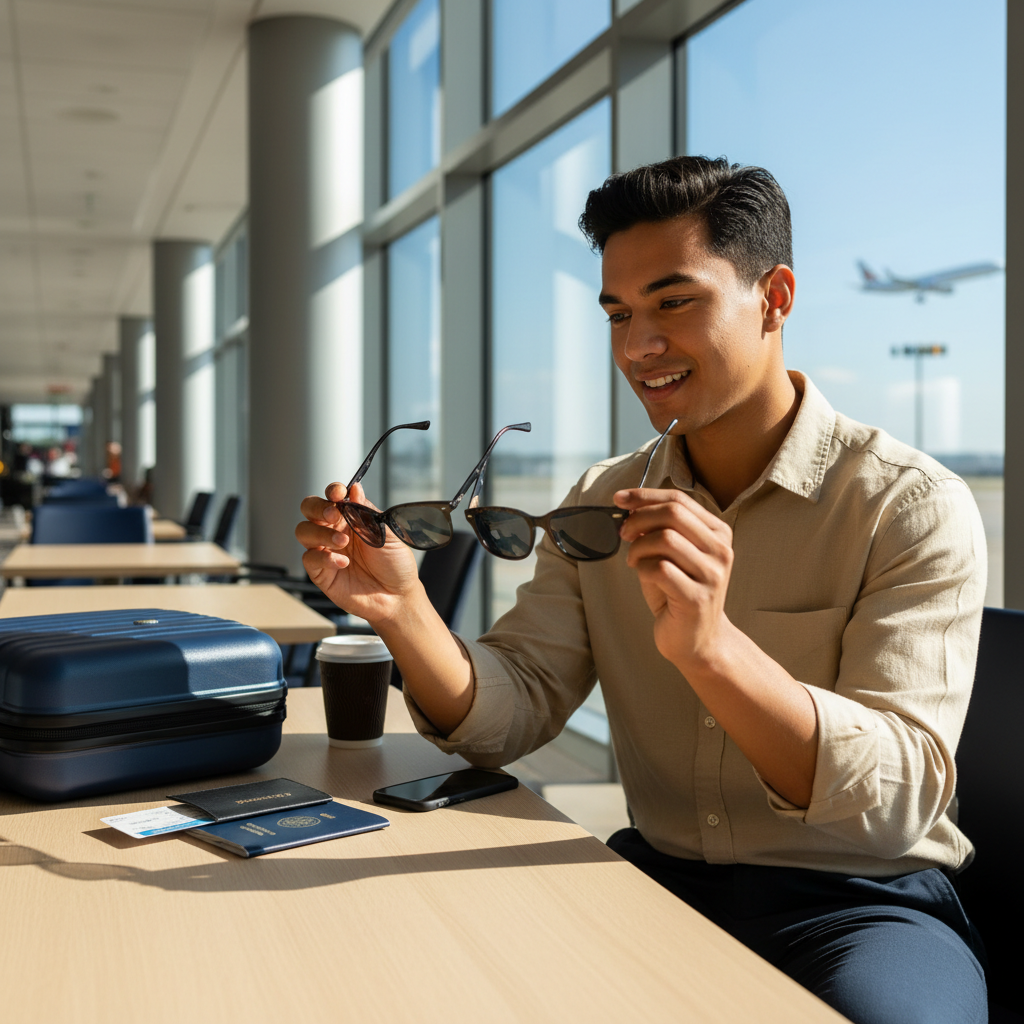
What “polarized” and “UV” actually mean (and what they do not)
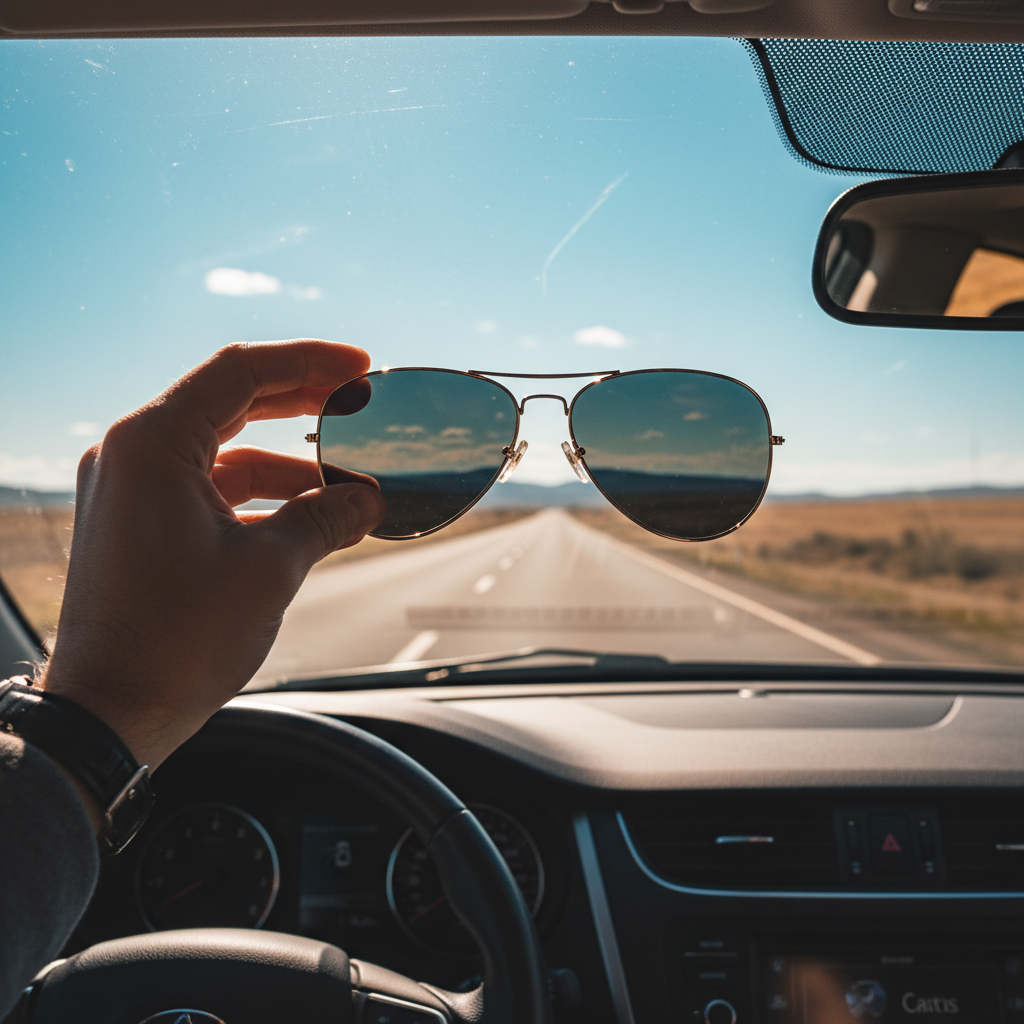
Polarized lenses reduce glare, the blinding horizontal reflections you get off water, snow, windshields, and glossy roads. UV protection is different, it blocks ultraviolet rays that can irritate and damage eyes over time.
According to the American Academy of Ophthalmology, sunglasses should block 99% to 100% of UVA and UVB. In shopping terms, look for “UV400” or “100% UV protection,” and treat vague labels like “UV resistant” as a yellow flag.
One more nuance: polarization does not automatically mean better UV protection, and darker lenses do not guarantee anything. If anything, a dark lens with poor UV filtering can be a bad combo because your pupils may open wider.
Why travelers struggle to find sunglasses that hold up
Most travel sunglasses disappoint for boring reasons, not because your eyes are “hard to please.” Here are patterns that show up again and again.
- Scratches from travel life: keys, sand, seatback pockets, and hotel nightstands are rough environments.
- Fit issues on long days: pressure points behind ears or on the bridge get old fast when you wear them for hours.
- Glare in mixed conditions: city-to-coast trips mean shifting light, you need consistent glare control.
- Fog and smudges: sunscreen, sweat, humidity, and constant on-off creates a cleaning problem.
- False “travel-friendly” claims: a “lightweight” frame that feels flimsy is not actually travel-ready.
If you want the best travel sunglasses polarized uv for your trip, the trick is matching features to your biggest failure mode, breakage, comfort, or glare.
Quick self-check: what kind of traveler are you?
Pick the closest scenario, it will point you toward the right lens and frame choices without overthinking it.
- Mostly driving or road trips: prioritize polarization, comfortable nose pads, and lens clarity for long wear.
- Beach, boating, pool days: polarization plus scratch resistance, salt and sand are the real enemy.
- Hiking, national parks, altitude: coverage matters, consider wrap or larger lenses and a secure fit.
- City walking and museums: lighter frames, easy on-off, and not-too-dark lenses for shade transitions.
- One-bag minimalist: durability and a protective case, fewer moving parts usually means fewer failures.
If you are sensitive to light or have an eye condition, it may be worth asking an eye care professional what lens tint and coverage make sense for you, especially for high-glare environments.
Comparison table: features that matter most for travel
This is not a “buy this exact model” list, styles and budgets vary, and brands change fast. Instead, use this as a quick spec sheet so you can compare options confidently.
| Feature | Why it matters on trips | What to look for | Common trap |
|---|---|---|---|
| UV protection | Eye safety in strong sun | 100% UVA/UVB or UV400 | “Tinted” marketed as protection |
| Polarization | Less glare when driving, water, snow | Marked “polarized,” consistent clarity | Cheap polarization that distorts |
| Lens material | Comfort and impact tolerance | Polycarbonate or quality nylon | Too soft coatings that scratch fast |
| Scratch resistance | Survives bags and sandy pockets | Hard coat, good case included | “Scratch-proof” promises |
| Frame durability | Travel handling and temperature swings | Flexible hinges, sturdy temples | Ultra-thin arms that loosen |
| Fit and grip | No sliding with sweat and sunscreen | Rubber nose pads, secure temples | Tight fit that causes headaches |
| Lens tint | Usability across settings | Gray for all-around, brown for contrast | Too-dark tint for city shade |
How to choose the right lenses for your itinerary
Lens choices sound nerdy until you are stuck squinting through haze at 4 pm, here is what tends to work in real travel conditions.
Pick a tint you can live with all day
- Gray: true color, solid all-purpose travel tint.
- Brown / amber: boosts contrast, often feels nicer for hiking and variable light.
- Green: balanced, can be comfortable for long wear.
If your trip includes lots of indoor stops, consider a slightly lighter tint, some “category 3” dark lenses feel too dim in shade. Photochromic lenses can be convenient, but in cars they sometimes darken less because many windshields filter UV.
Consider coatings, but only the useful ones
- Anti-reflective (back side): cuts bounce-back glare, nice for driving and bright sand.
- Hydrophobic/oleophobic: easier cleaning when you are dealing with sunscreen.
- Mirror: helps with intense brightness, but shows scratches more quickly.
If you are buying online, look for clear warranty terms and realistic coating descriptions. Marketing copy that promises “indestructible lenses” usually disappoints.
Frame and fit: comfort beats style when you travel
Fit is the silent dealbreaker. You can have the best travel sunglasses polarized uv on paper, but if they slide down your nose every 10 minutes, you will stop wearing them.
- Nose fit: adjustable pads help a lot, especially if you alternate between humid heat and air-conditioned spaces.
- Temple pressure: too tight causes headaches, too loose invites drops when you bend down.
- Coverage: larger lenses reduce side light, useful on water and at altitude.
- Weight: lighter is nice, but not if it becomes flimsy, balance matters more than the gram count.
If possible, do a quick “travel test” at home, wear them for 30 minutes while walking, looking down at your phone, and moving your head quickly, the small annoyances show up fast.
Practical buying checklist (use this before you click “buy”)
When you are comparing options across brands and prices, this checklist keeps you out of the weeds.
- UV label is explicit: “100% UVA/UVB” or “UV400.”
- Polarized is stated clearly: and the return policy is not a headache.
- Lens clarity: look for reviews that mention distortion, especially at edges.
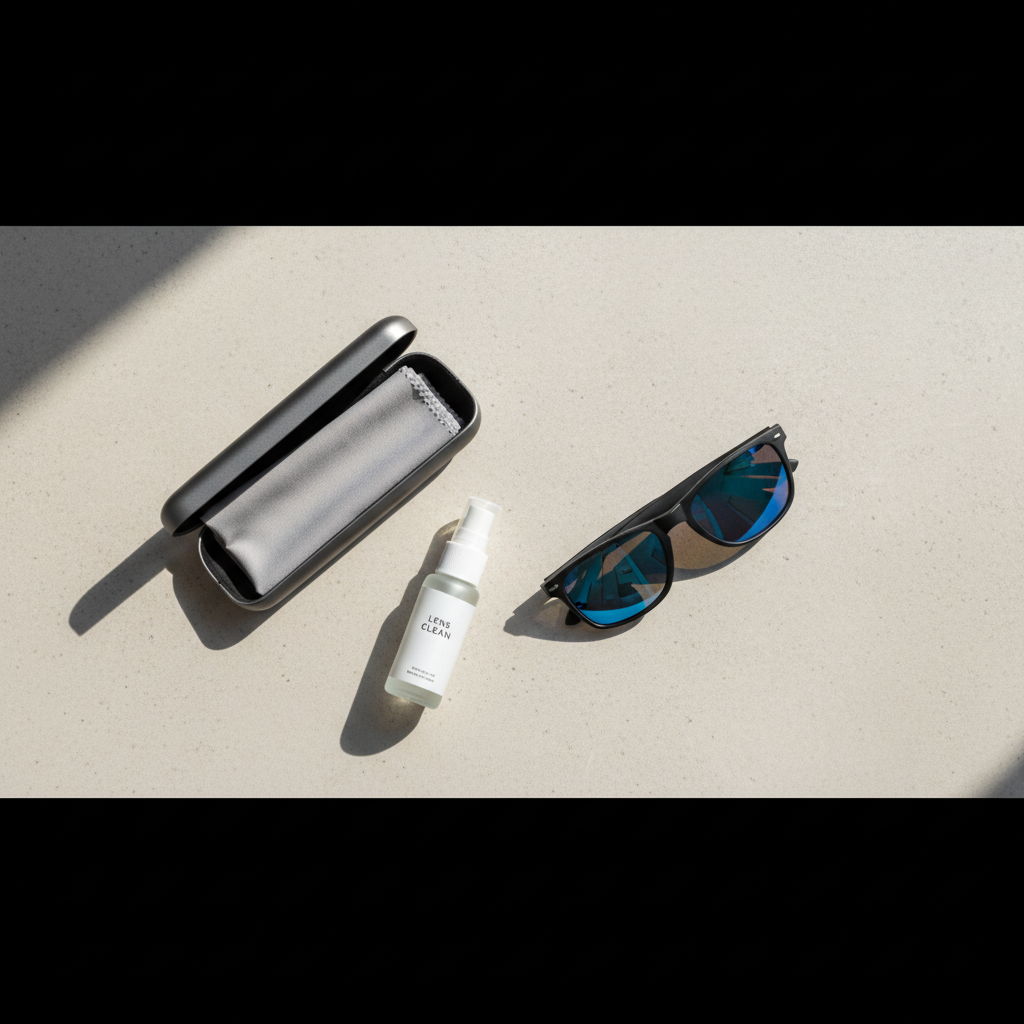
- Case included: hard or semi-hard usually travels better than a soft pouch alone.
- Hinge quality: smooth open/close, not wobbly out of the box.
- Comfort proof: mention of all-day wear, no slipping, no pinching.
- Warranty and support: even a modest warranty can matter when you are away from home.
Key takeaway: if you must compromise, compromise on “nice-to-have coatings,” not on UV protection or fit.
Care tips so your sunglasses survive the trip
Most scratches come from cleaning mistakes, not from dramatic accidents. A few habits make a noticeable difference.
- Rinse grit off with clean water before wiping, especially after beach time.
- Use a microfiber cloth, shirts and paper towels can create micro-scratches.
- Store them in a case when they go in your bag, even a quick coffee stop counts.
- Do not leave them on a hot dashboard, heat can warp frames and damage some coatings.
If lenses start smearing constantly, a tiny bottle of lens-safe cleaner in your day bag is worth the space, sunscreen residue is stubborn.
When it makes sense to ask a professional
If you wear prescription lenses, get frequent headaches with sunglasses, or notice eye strain when driving, talk with an optometrist or ophthalmologist about lens options. According to the Centers for Disease Control and Prevention (CDC), protecting eyes from UV is part of overall sun safety, and that can be more important for people with certain eye conditions or medications that increase light sensitivity.
Also, if you want polarized lenses but rely on seeing certain screens clearly, like some aircraft displays or specialized equipment, ask about lens compatibility, polarization can interfere with some LCD angles.
Conclusion: a simple way to pick well and move on
The best picks usually look boring on paper: verified UV protection, reliable polarization, a comfortable fit you forget about, and a case that prevents the “bag scratch” problem. When you shop with those priorities, you stop chasing hype and start buying sunglasses that travel as hard as you do.
If you are choosing this week, narrow to two pairs that meet the UV and fit requirements, then decide based on your itinerary, heavy driving and water time deserve stronger glare control and better coatings, city-heavy trips can stay simpler.