
Best winter travel destinations 2026 isn’t really about chasing snow or sun, it’s about picking a place that matches your budget, tolerance for cold, and how much “winter” you actually want to deal with. If you choose wrong, the trip can turn into a string of small annoyances: icy sidewalks, closed attractions, rental-car stress, or resorts that feel like a line you paid to stand in.
What makes winter travel tricky is the trade-off. Winter can mean lower prices and fewer crowds, but also weather volatility and shorter daylight. And for US travelers, flight patterns and school breaks can shift demand quickly, so planning matters a bit more than it does in shoulder season.
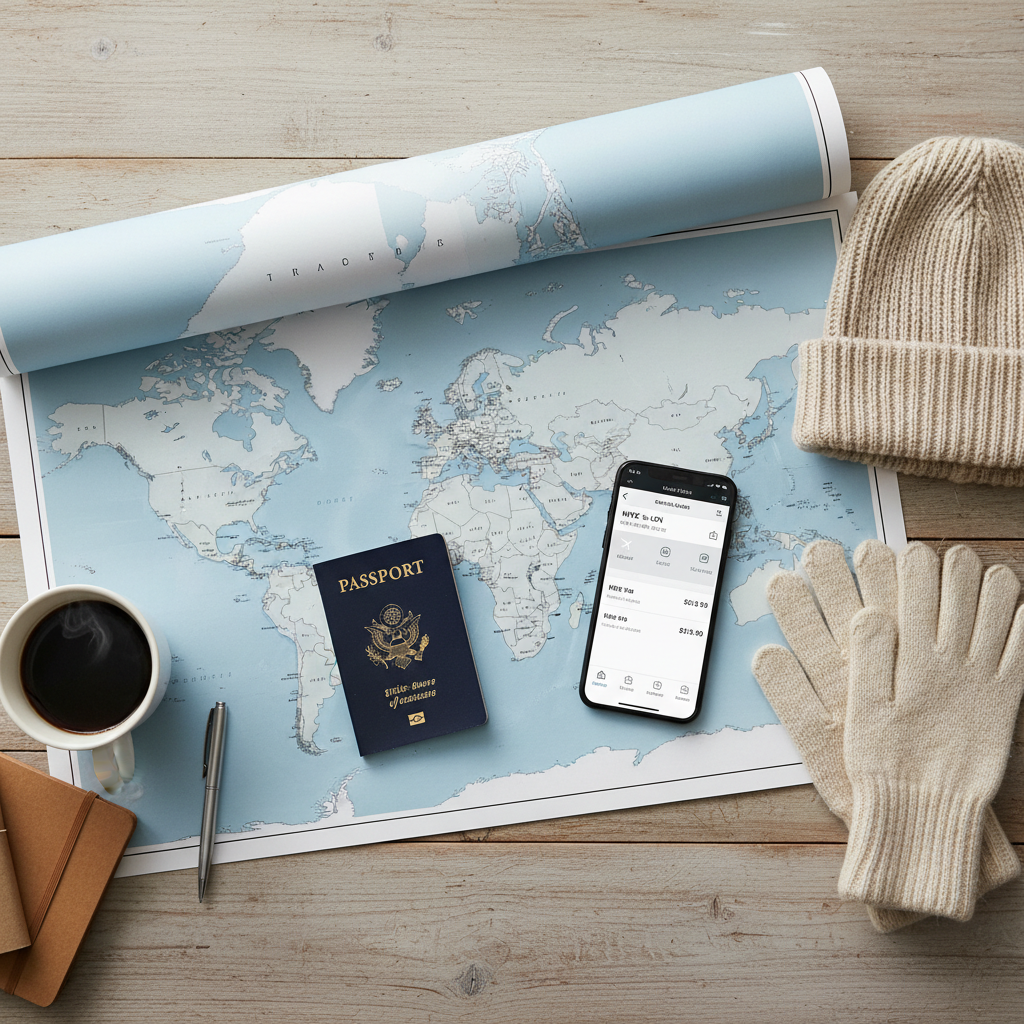
This guide narrows down winter picks by travel “mode” (ski, cozy city, sun escape, nature lights), then gives a quick self-check, a comparison table, and a planning checklist you can actually use. No fantasy itineraries, just destinations that tend to deliver in winter.
How to choose your winter trip style (before you pick a place)
Before you lock in any of the best winter travel destinations 2026 lists you see online, decide what you want winter to feel like. People often choose a destination first, then fight the destination the whole time.
- Snow trip: skiing, snowboarding, hot tubs, mountain towns, slower days.
- Cozy city: museums, food, shows, holiday markets, walking neighborhoods.
- Sun escape: beach, warm evenings, minimal layers, easy logistics.
- Bucket-list nature: Northern Lights, national parks, wildlife, dramatic scenery.
Also decide your “friction limit.” If you hate driving in snow or dealing with multiple connections, pick places with strong public transit, direct flights, or compact walkable cores.
Best winter travel destinations 2026: quick comparison table
Below is a practical snapshot, not a promise. Winter conditions and pricing can swing by week, and holiday periods behave differently than mid-January.
| Destination | Best for | Typical winter vibe | Budget reality | Main watch-outs |
|---|---|---|---|---|
| Quebec City, Canada | Cozy city + snow | Historic streets, winter carnival energy | Mid-range; weekends spike | Very cold snaps, slippery walking |
| Reykjavik + South Coast, Iceland | Nature + hot springs | Moody landscapes, aurora chances | Higher; tours add up fast | Weather delays, limited daylight |
| Tokyo, Japan | Big-city winter without chaos | Clear days, food, neighborhoods | Varies; flights drive cost | Jet lag, popular hotels fill early |
| Salt Lake City + Park City, USA | Ski access + easy airport | Mountain snow with city convenience | Mid to high; lift tickets matter | Powder-day traffic, peak-week pricing |
| Santa Fe, New Mexico, USA | Arts + cozy getaway | High-desert winter, fireplaces, galleries | Mid-range; great for short trips | Altitude can bother some travelers |
| Puerto Rico (San Juan + west coast) | Sun escape without passport | Beach days, warm nights | Mid-range; holidays jump | Rain bursts, popular rentals book early |
| Azores, Portugal | Offbeat nature + mild temps | Green landscapes, thermal pools, ocean views | Mid-range; fewer direct flights | Wind/rain, slower winter schedules |
7 destinations that tend to deliver in winter (and why)
Here are solid contenders for best winter travel destinations 2026, organized by the experience they’re most reliable for, plus the “small print” you should know.
1) Quebec City, Canada (classic winter city)
If you want winter to feel like winter, Quebec City usually delivers: walkable old-town streets, good food, and a festive vibe in peak season. It’s also a manageable first “cold weather” trip for many US travelers because the city center is compact.
- Do: prioritize a hotel inside or near Old Quebec so you can walk most places.
- Skip: tight driving itineraries if you’re not comfortable with winter roads.
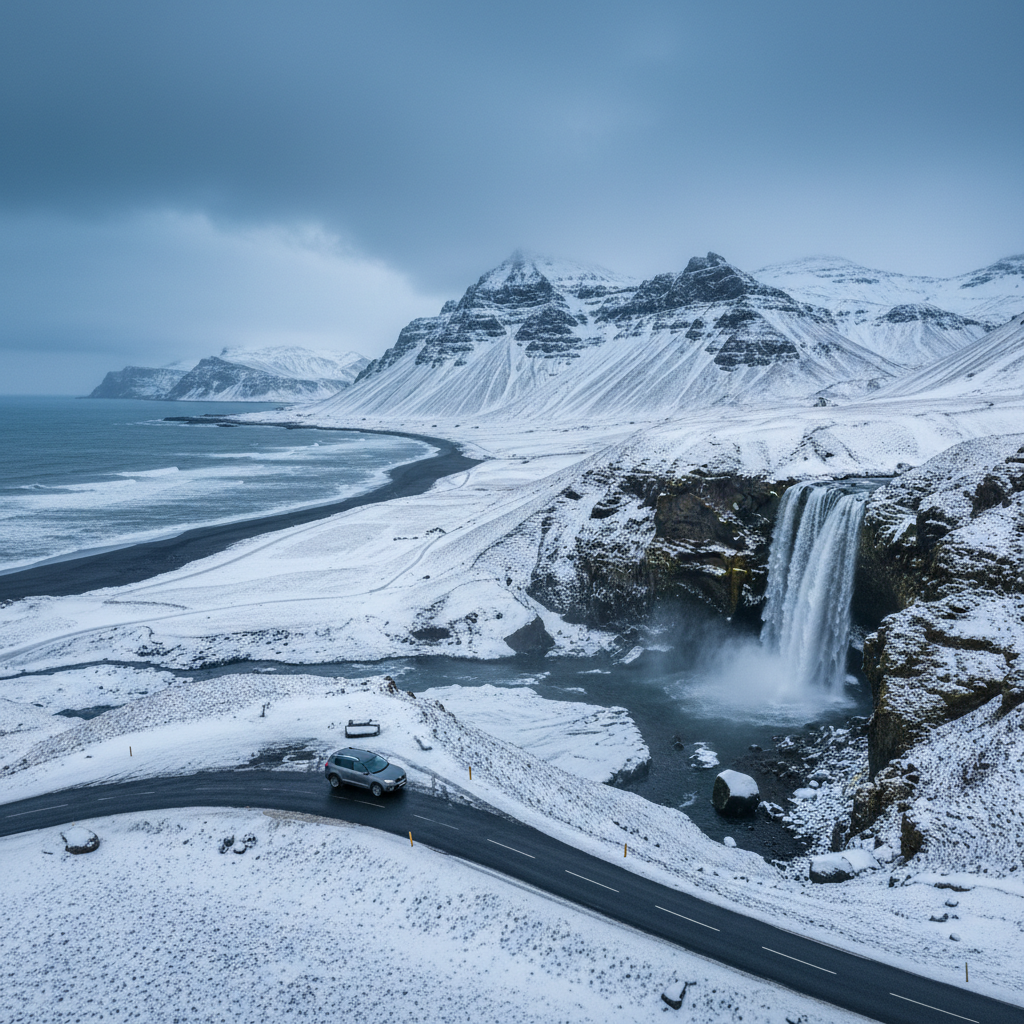
2) Reykjavik + South Coast, Iceland (hot springs + dramatic landscapes)
Iceland in winter feels like a different planet, in a good way, but it’s not a casual trip. Weather can rearrange your plans, so build slack into your schedule.
- Do: book a mix of city time and guided day trips if you’re unsure about driving.
- Watch: daylight hours and road conditions, especially outside Reykjavik.
According to SafeTravel Iceland, travelers should monitor alerts and conditions before heading onto roads, especially during winter storms.
3) Tokyo, Japan (winter city break with nonstop variety)
Tokyo often works well in winter because it’s less humid, crowds feel more manageable outside the major holiday window, and you can build a trip around neighborhoods without needing a car. If you want snow, you can add a side trip, but you don’t have to.
- Do: choose one “home base” area, then day-trip by rail to reduce hotel hopping.
- Budget tip: food costs can be surprisingly controllable if you’re not chasing only high-end spots.
4) Salt Lake City + Park City, Utah (ski trip without the logistics headache)
This combo is popular for a reason: major airport access, good infrastructure, and quick transfers. It’s a strong pick if you want snow sports but don’t want a complicated mountain travel day.
- Do: plan your ski days around midweek if you can, weekends get busy.
- Cost reality: lodging and lift tickets are the big levers, track both early.
5) Santa Fe, New Mexico (cozy, artsy, low-stress winter)
Not everyone wants a full snow mission. Santa Fe tends to be a calmer winter choice: galleries, restaurants, adobe architecture, and a “slow morning” vibe that suits shorter trips.
- Do: pack layers, desert cold can surprise you at night.
- Health note: altitude affects people differently, if you have medical concerns, consider asking a clinician before traveling.
6) Puerto Rico (warm-weather reset without international entry steps)
For many US travelers, Puerto Rico is the easiest way to buy back some sunlight in winter. You can keep the trip simple, beach time plus old-city walking, and be done.
- Do: book holiday weeks early or go in late January for fewer price spikes.
- Watch: quick rain showers, they usually pass, but plan flexible days.
7) The Azores, Portugal (green landscapes, fewer crowds)
The Azores are a good “I want nature, but not a resort scene” choice. Winter can be windy and wet, yet that’s part of the atmosphere: thermal pools, ocean lookouts, hiking windows between showers.
- Do: rent a car if you’re comfortable, it makes the islands far easier.
- Watch: reduced hours for some attractions and tours in winter.
A quick self-check: which destination type fits you?
If you’re stuck, this is the fastest way to narrow down the best winter travel destinations 2026 to two realistic options.
- You want minimal planning friction: Puerto Rico, Tokyo, Salt Lake City.
- You want “storybook winter”: Quebec City, Park City.
- You want bucket-list landscapes: Iceland, Azores.
- You hate driving in winter: Tokyo, Quebec City, Puerto Rico, or Iceland with guided tours.
- You’re price sensitive: Santa Fe (short stay), Puerto Rico (avoid holidays), Quebec City (midweek).
Key point: most winter-trip disappointment comes from mismatching pace and conditions, not from picking a “bad” destination.

Practical planning tips (money, timing, and packing)
Once you’ve picked your short list, execution matters. Winter amplifies small mistakes, so go a bit more “systems” than you would in summer.
Timing and booking
- Decide your week first: holiday weeks behave differently than mid-January or early February.
- Build buffer days: for places prone to storms, a flexible plan beats a tight one.
- Hotel location over hotel category: paying a bit more to be central often saves money on transport and time.
Budget control
- Ski trips: price out lift tickets, rentals, and parking before you celebrate a “cheap flight.”
- Iceland-style trips: tours can become the real total, bundle thoughtfully.
- City trips: set a “one splurge per day” rule, then keep the rest flexible.
Packing without overpacking
- Layer system: base layer, mid layer, weather layer, plus warm socks.
- Footwear: prioritize traction and comfort; fashion boots often lose the battle on ice.
- Power and connectivity: cold drains batteries faster, bring a power bank.
According to NOAA, winter storms can change rapidly; checking forecasts and alerts close to departure helps you adjust routes and packing.
Common mistakes to avoid (the stuff that ruins winter trips)
- Over-scheduling daylight: winter days are short in many places, keep afternoons lighter.
- Ignoring microclimates: coastal wind, mountain elevation, and urban shade change how cold “feels.”
- Underestimating transit time: snow and holiday crowds turn simple transfers into long ones.
- Buying gear too late: if you need proper layers or boots, don’t leave it to the airport shop.
If you’re traveling with kids or older relatives, the most useful upgrade is usually not a fancier hotel, it’s a plan with more rest windows and fewer long outdoor waits.
Safety and when to get extra help
Most winter travel is straightforward, but a few situations deserve more caution. If you have chronic health conditions, pregnancy, or concerns about altitude, cold exposure, or strenuous activity, it’s sensible to check with a medical professional for personalized advice.
- Driving in snow/ice: if you lack experience, consider trains, shuttles, or guided tours.
- Backcountry activities: use licensed guides where available and follow local advisories.
- Travel insurance: many travelers consider it for winter because delays and cancellations are more common; compare coverage details carefully.
According to CDC, travelers should plan ahead for weather-related risks and consider how cold conditions may affect health and safety during travel.
Conclusion: pick a winter trip you won’t have to “fight”
The best winter travel destinations 2026 aren’t just the prettiest photos, they’re the places that fit your trip style, weather tolerance, and budget reality. If you want one simple move today, choose your winter “mode” (snow, cozy city, sun, or nature) and then price out the two biggest cost drivers for that mode before you book.
If you do that, the rest of the planning gets calmer, and your trip has a much better chance of feeling like a break, not a project.