
how to plan road trip stops for fun comes down to one thing: you’re not just filling time between Point A and Point B, you’re designing little “wins” along the way that keep energy up and arguments down.
If you’ve ever ended a day of driving feeling oddly drained, it’s usually not the miles, it’s the stop strategy, too few breaks, too many random detours, or the wrong kind of stops for your group. The good news is you can fix this without turning your trip into a rigid schedule.
In this guide, you’ll get a practical way to pick stops that feel spontaneous but still make sense, plus a quick checklist, a planning table you can copy, and some real-world guardrails so you don’t accidentally plan a “fun” day that becomes stressful.
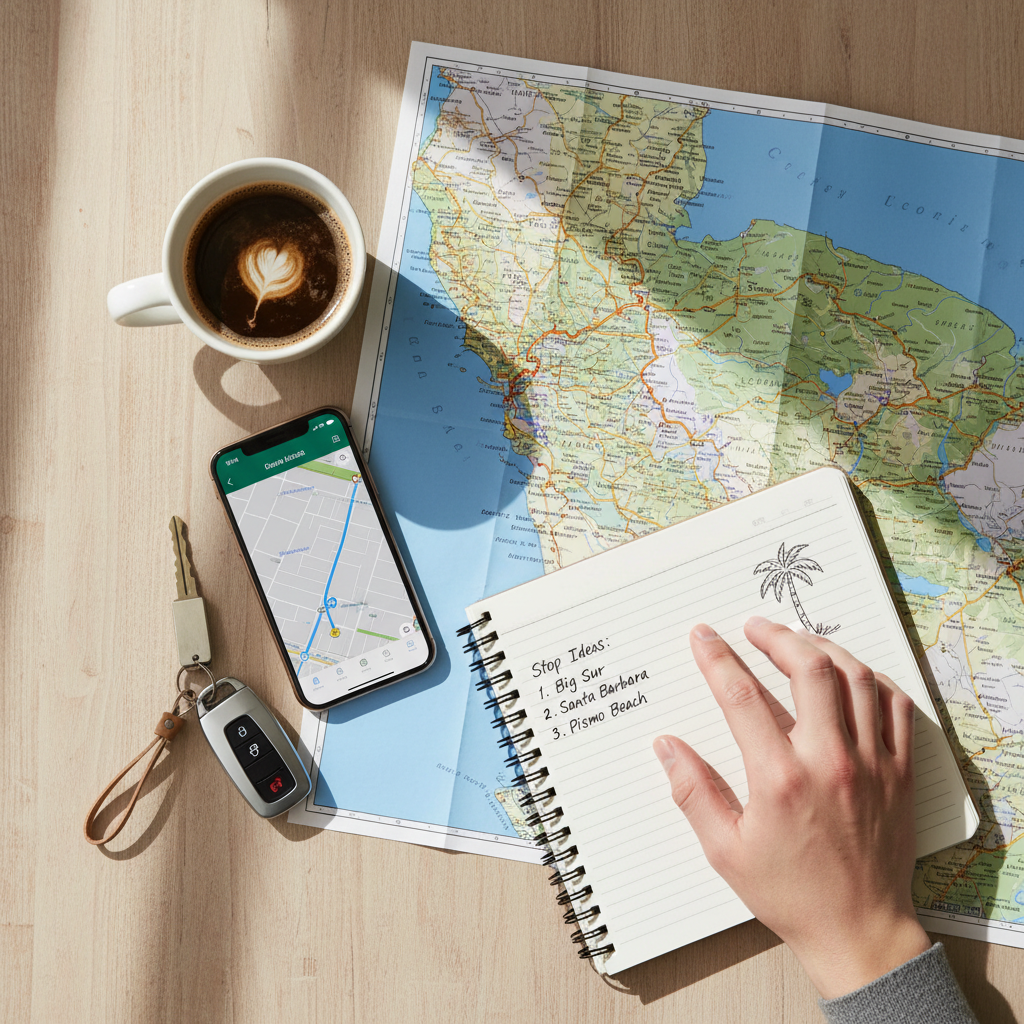
Start with the “fun budget”: time, energy, and tolerance
Before you hunt for quirky roadside attractions, decide what your group can realistically handle. Most road trip plans fall apart because fun stops get added on top of an already full driving day.
- Time budget: how many hours you’re willing to drive that day, plus a buffer for surprises.
- Energy budget: kids, pets, or early risers change what “one more stop” feels like at 4 p.m.
- Tolerance budget: some people love spontaneity, others need a clear end time to stay relaxed.
A useful rule of thumb is to plan one anchor stop you really care about, then add smaller “flex” stops that you can skip without regret.
Choose stop types on purpose (not all stops feel like a break)
When people say they want to plan stops for fun, they often mean “anything except gas stations,” but fun has different forms. Mixing stop types keeps the day from feeling repetitive.
Four stop types that work in real trips
- Reset stops: restrooms, stretch, coffee, quick walk. Low planning, high impact.
- Signature stops: a museum, a famous viewpoint, a must-eat restaurant, a landmark.
- Movement stops: short hike, lake loop, playground, a walkable downtown block.
- Comfort stops: shaded picnic, air-conditioned bookstore, pet-friendly park, anything that calms the group.
One quiet truth: a “cool” stop that doesn’t match your group’s needs can feel like work. If someone’s hungry or carsick, even the world’s biggest roadside attraction won’t land.
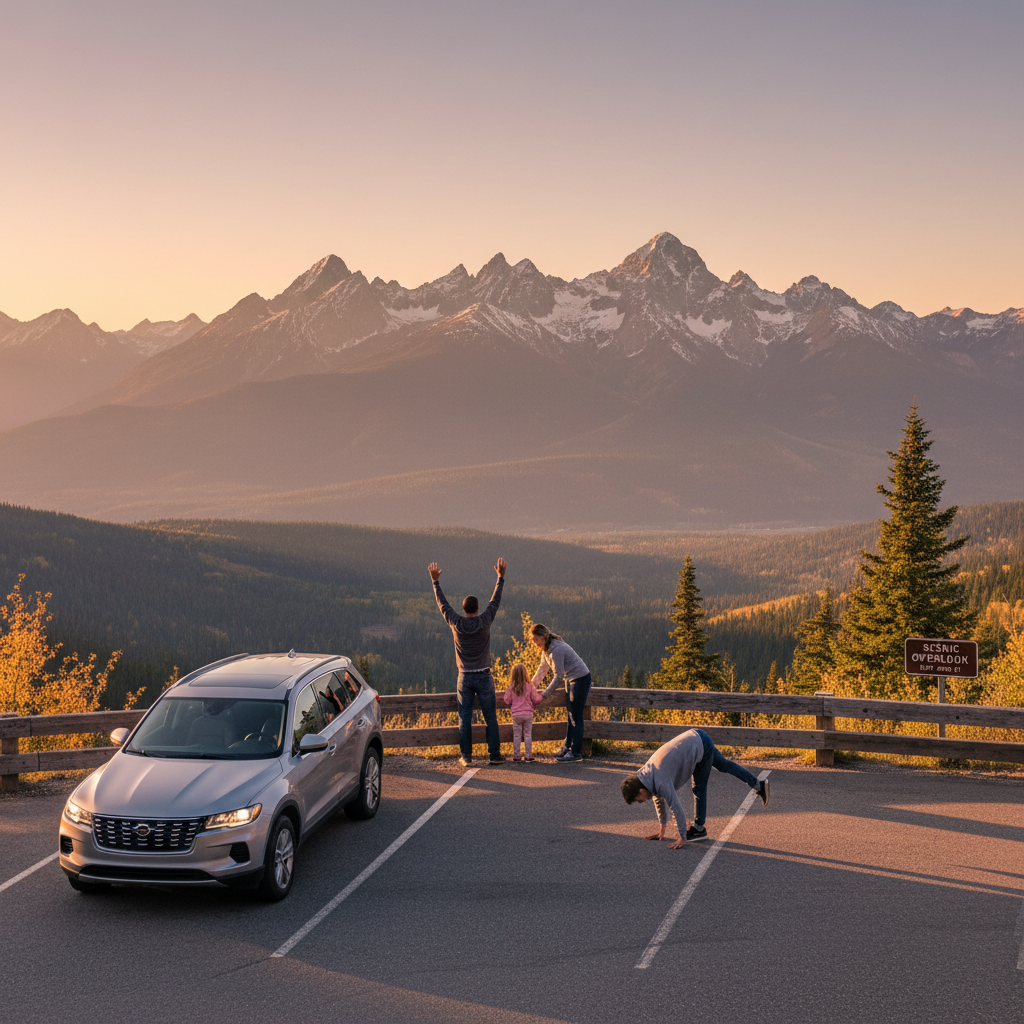
Use a simple spacing formula so stops feel natural
For many US road trips, the easiest pacing is to treat stops like chapters. You want them frequent enough to prevent fatigue, but not so frequent the trip never “moves.”
- Reset stop: about every 90–120 minutes (especially with kids).
- Food stop: every 3–4 hours, even if it’s light, hunger sneaks up on the road.
- Signature stop: usually 1 per half-day of driving, otherwise you’ll rush everything.
According to National Highway Traffic Safety Administration (NHTSA), drowsy driving is a serious safety risk, and taking breaks is one practical way many drivers manage alertness. If you feel sleepiness, plan to stop and rest, and if you’re unsure whether it’s safe to continue, it’s smarter to pause and reassess.
Build your stop list with “layers” (must-do, nice-to-do, emergency)
This is where how to plan road trip stops for fun becomes less about searching and more about filtering. A layered list keeps the mood light because you’re never forced into a single plan.
Layer 1: Must-do (1–2 items)
- That one hike, diner, viewpoint, or attraction you’ll be genuinely bummed to miss
- A pre-booked activity that anchors your timing (if you have one)
Layer 2: Nice-to-do (3–6 items)
- Short detours under 15 minutes off-route
- Walkable downtowns, scenic pullouts, quick museums, local bakeries
Layer 3: Emergency stops (2–4 items per day)
- Clean restrooms you trust (travel centers, big grocery stores, libraries)
- Weather backups (indoor options when heat or storms hit)
- “Mood reset” options (parks, ice cream, a simple scenic spot)
Pro tip that saves real arguments: decide ahead of time what counts as “too far off-route” for your group, then stick to it.
A planning table you can copy for each day
If you want the trip to feel easy, put the plan into a format you can scan in 10 seconds. This table is intentionally simple, it’s meant for real driving days, not perfect itineraries.
| Stop | Type | Target time | Time on site | Detour limit | Skip trigger |
|---|---|---|---|---|---|
| Rest area or coffee | Reset | 10:00 a.m. | 10–20 min | 0–5 min | Running 30+ min late |
| Local diner / food hall | Food | 12:30 p.m. | 45–75 min | 10–15 min | Wait time too long |
| Scenic overlook / short trail | Signature | 3:30 p.m. | 30–90 min | 15–20 min | Bad weather / low energy |
Those “skip triggers” matter more than they look. They give you permission to adapt without feeling like you failed the plan.
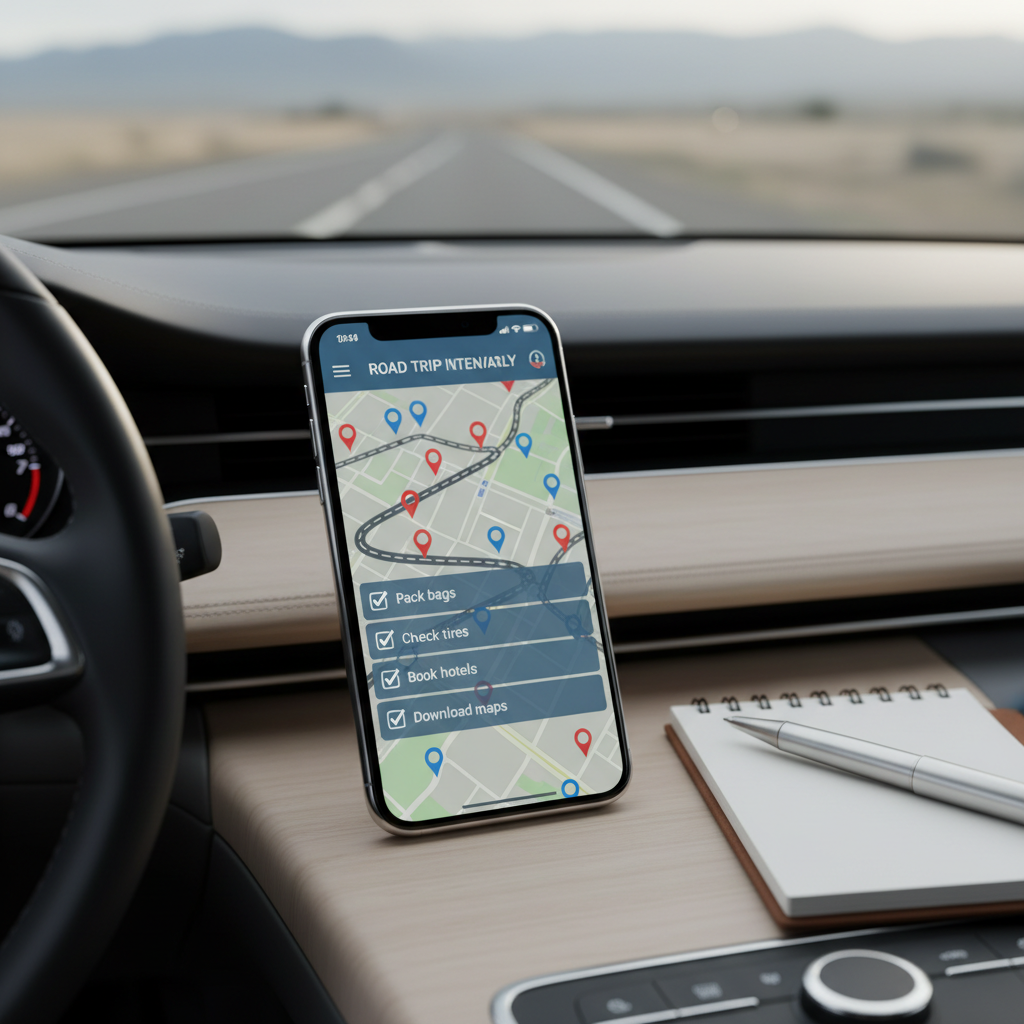
Make stops fun with small constraints (themes, missions, and micro-challenges)
“Fun” usually shows up when there’s a tiny story attached. Themes add that story without adding complexity.
- Food theme: best pie, best tacos, best local ice cream along the route.
- Photo mission: one mural, one water view, one weird sign, one sunset.
- State-specific bingo: covered bridge, historic courthouse, roadside produce stand.
- 10-minute local walk: any stop becomes better when you add one short stroll.
Keep themes lightweight. If it starts feeling like homework, drop it and go back to basics: bathroom, snacks, stretch, back on the road.
Practical execution: the “day-of” routine that prevents chaos
This part is unglamorous, but it’s why some trips feel smooth. Plan your day-of flow so the driver isn’t also acting as travel agent.
Before you pull out
- Save stops in your map app and label them (Reset, Food, Signature).
- Download offline maps if you’ll cross low-signal areas.
- Pack a “5-minute stop kit”: wipes, trash bag, water, small snack, sunscreen.
On the road
- Call the next stop 30 minutes ahead: “We’re stopping soon, finish what you’re doing.”
- Use a simple vote: two options max, otherwise you’ll debate forever.
- Keep one stop unplanned each day, that’s where spontaneity fits.
At the stop
- Set a rough departure time and say it out loud, people relax when the edge is clear.
- Split tasks: one person handles snacks, another handles restrooms, driver decompresses.
If you’re traveling with kids or anyone prone to motion sickness, shorter, more frequent reset stops often work better. For ongoing or severe symptoms, it’s reasonable to ask a healthcare professional for advice before a long drive.
Common mistakes that make “fun stops” backfire
Most mistakes look harmless in planning, then cost you an hour when you’re tired. Here are the ones that show up a lot.
- Over-stacking highlights: three big attractions in one day forces rushing and turns fun into pressure.
- Ignoring parking reality: downtowns and popular overlooks can be slow on weekends.
- Detours without a cap: a “quick” 25-minute detour each way becomes a full extra hour.
- No weather backup: heat, smoke, storms, or snow can erase outdoor plans fast.
- Late-day ambition: trying to squeeze in a signature stop at 6 p.m. often ends in cranky vibes.
If you want one guiding principle, it’s this: protect arrival time. A calm check-in is often more memorable than a frantic extra stop.
Key takeaways (so you can plan in 15 minutes)
- Pick one anchor stop per half-day, then add flex stops you can skip easily.
- Mix stop types: reset, signature, movement, comfort.
- Space breaks so the drive stays tolerable, and treat safety signals seriously.
- Use a layered stop list and clear skip triggers to avoid decision fatigue.
- Make fun easier with small themes, not a packed itinerary.
If you want to practice how to plan road trip stops for fun without overthinking, plan tomorrow’s drive using the table above, choose one signature stop, and pre-save two reset stops, you’ll feel the difference quickly.
When you’re ready, take 10 minutes tonight to label your stops in your map app, check your detour limits, and pick one “we can’t miss this” moment. Then let the rest breathe, that’s usually where the best road-trip memories sneak in.