
how to use swiss travel pass effectively starts with one simple idea: treat it like an access tool (trains, buses, boats, museums), not just a “ticket,” and plan around what it truly covers versus what still needs a reservation or surcharge.
A lot of U.S. travelers buy the pass, land in Switzerland, then realize the most expensive days were the ones they didn’t use it, or the “panoramic train” they wanted still required a paid seat reservation. That’s where the pass can feel confusing, even though it’s genuinely convenient once you know the rules.
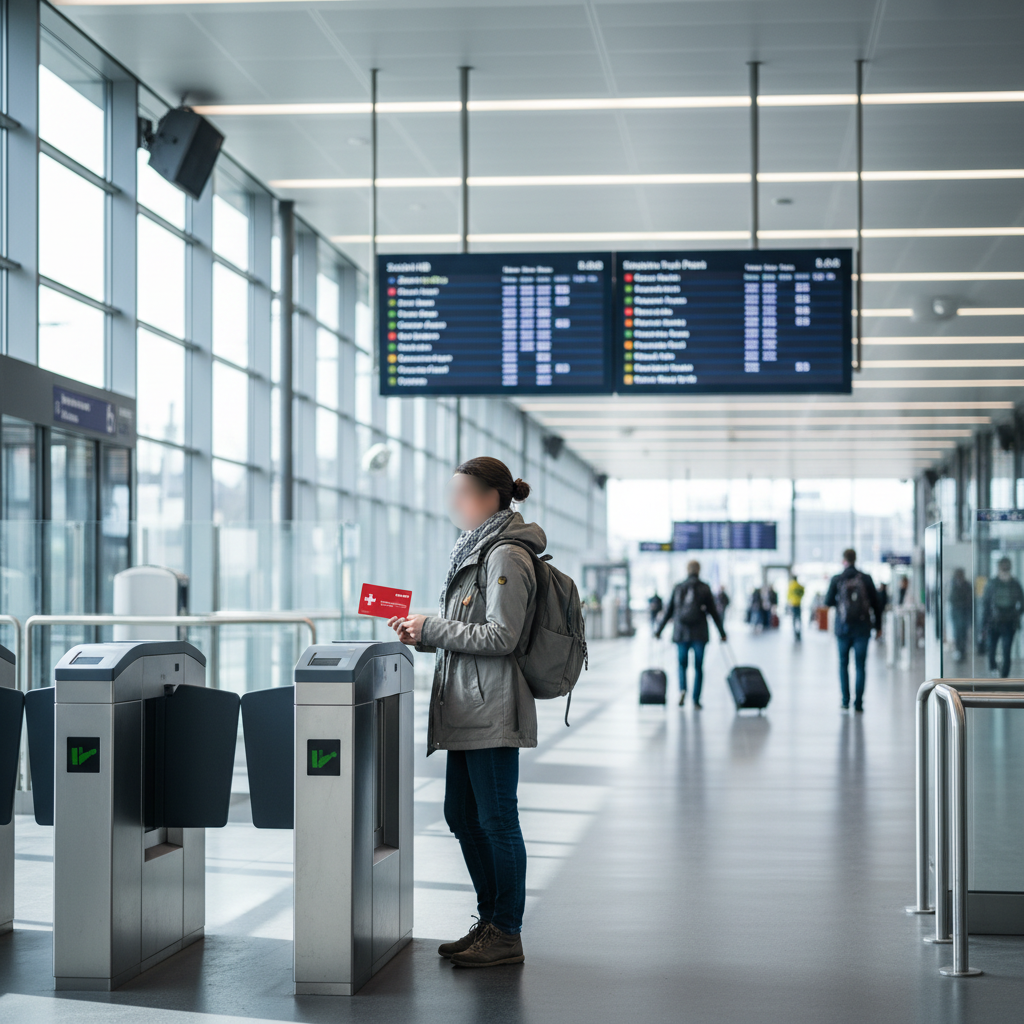
This guide focuses on practical decisions: which pass type fits your itinerary, how to stack value on big travel days, when you still need reservations, and a few “real-world” habits that prevent last-minute stress at platforms and boat piers.
What the Swiss Travel Pass Actually Covers (and What It Doesn’t)
The pass is strongest on the Swiss Travel System network: most regional and intercity trains, many buses, and a surprising number of boats. You also get museum entry perks, which matters more than people expect on rainy days or shoulder-season trips.
- Typically included: SBB/CFF/FFS trains, PostBus routes, city transit in many towns, lake boats on major lakes, many museums.
- Often discounted (not free): Many mountain railways/cable cars, some private lines.
- Still may require a paid reservation: Certain panoramic trains and specific seat types, even when the ride itself is covered.
According to SBB (Swiss Federal Railways), seat reservations are generally optional on most Swiss domestic trains, but can be required on specific services and recommended during peak travel times. Translation: don’t assume “pass = seat.”
Pick the Right Pass Version: Consecutive vs. Flex, 1st vs. 2nd Class
Your itinerary shape matters more than your trip length. If you move cities every day, the consecutive-day pass often feels effortless. If you plan “base days” (Lucerne for 3 nights, then Zermatt for 3), the flex pass can be a better fit.
Quick decision guide
- Consecutive-day pass: Better when you travel long distances on most days, or want zero tracking.
- Flex pass: Better when you have rest days, hiking days, or you’ll pay locally for short hops.
- 1st class: More space and quieter cars; worth considering if you work remotely, travel with lots of luggage, or go in peak summer.
- 2nd class: Usually comfortable; the “best value” choice for many travelers, especially couples and families.
A small but useful mindset: choose based on how you like to travel, not on trying to “win” the pass by squeezing every franc out of it. Comfort and simplicity have value too.
Build Your Itinerary Around “High-Value Days”
If you’re trying to figure out how to use swiss travel pass effectively, prioritize activating (or using a flex day) on the days that would otherwise be your most expensive point-to-point tickets.
High-value days often look like this: airport transfer plus cross-country ride, a long scenic lake boat segment, or a big “triangle day” where you hop between 3 places and end in a different town.
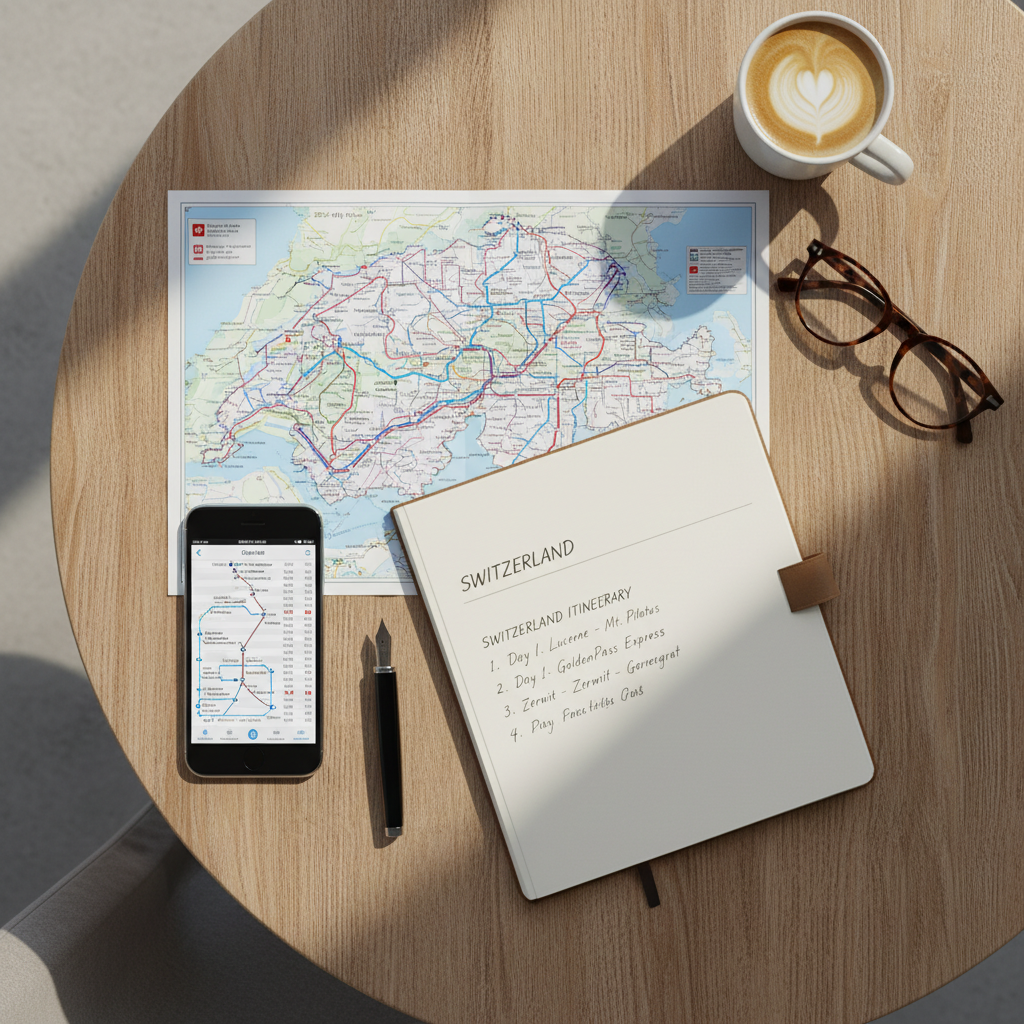
Meanwhile, low-value days are usually: staying in one town, walking everywhere, doing a single short train ride, or taking a mountain excursion that’s only discounted. Those days might be better as non-pass days if you’re on a flex plan.
A simple “value stacking” checklist
- Is today a long-distance travel day?
- Will you use two or more trains plus local transit?
- Are you adding a boat route that’s covered?
- Are there museums you’ll realistically visit (not “maybe”)?
Reservations: The Part That Trips People Up
In Switzerland, many trains operate with open seating, so you can just board. The confusion comes from famous panoramic routes where the ride can be covered by the pass, but the reservation is a separate fee, and sometimes mandatory.
- Typical Swiss intercity trains: no reservation required, sit where you find space.
- Popular panoramic services: reservation may be required or strongly recommended, especially in summer.
- Peak periods: even when optional, a reservation can reduce stress if you’re traveling with a group.
According to Swiss Travel System, the Swiss Travel Pass is valid on the national network and partner routes, while reservations and supplements can apply depending on the service. When in doubt, check the route notes in the timetable before you commit to a tight connection.
Mountain Excursions: Where the Pass Helps, but Rarely Covers 100%
This is where expectations need a reset. Many mountain railways and cable cars operate as partner lines. The pass often provides a discount, which can still be meaningful, but it changes how you should budget and plan your pass days.
How to approach mountain days
- Check “included vs discounted” before you decide it’s a pass day.
- Pair a mountain trip with long-distance rail if you want to maximize a consecutive day.
- Watch the weather and keep one flexible slot if your trip allows; mountain value drops fast in fog.
Also, consider your energy. A pass makes it tempting to cram in extra legs, but altitude and hiking time can make a packed day feel like a chore.
Practical Use: Apps, Validation, and On-the-Ground Habits
The day-to-day experience gets easier if you lean on the official planning tools. According to SBB (Swiss Federal Railways), their timetable and ticketing tools provide real-time connections and platform information, which is exactly what you want when you have a 7-minute transfer in a busy station.
On-the-ground tips that reduce friction
- Use the SBB app to verify platform changes, delays, and connection times.
- Keep your pass handy for inspections; conductors may scan or visually check it.
- Arrive early on busy routes, especially if you prefer overhead luggage space.
- Know your “travel day” rules for flex passes so you don’t accidentally activate a day on a short errand.
If you’re traveling with kids or multiple bags, build in buffer time. Swiss connections can be tight by design, and they often work, but sprinting with luggage gets old fast.
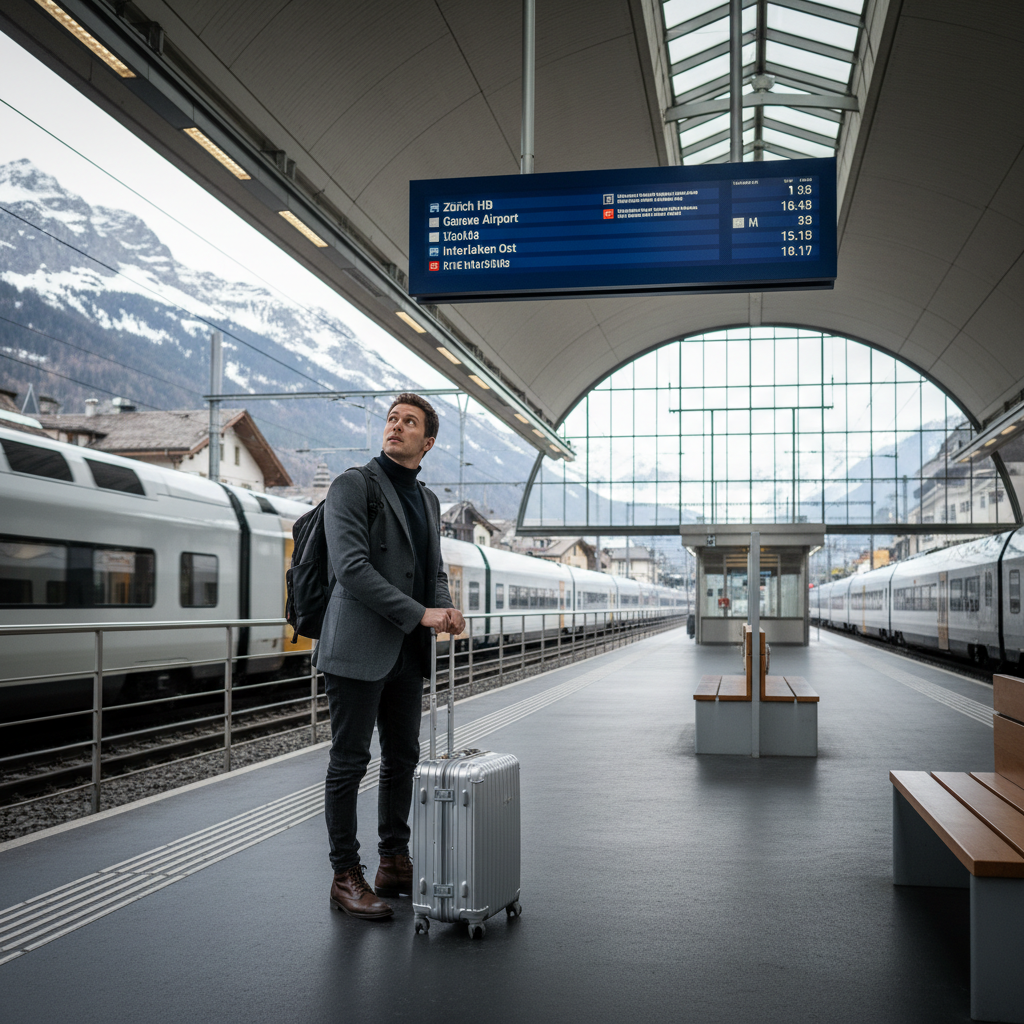
A Quick “Should I Buy It?” Self-Check (Plus a Comparison Table)
People usually regret the pass for one of two reasons: they don’t travel enough by train/boat, or they expected expensive mountain lifts to be fully included. This quick self-check keeps you honest.
- You’ll take multiple intercity trips (not just one).
- You value spontaneity and dislike pricing out every ticket.
- You plan to use boats, buses, and city transit, not trains only.
- You like having a museum option for weather pivots.
Now a practical comparison, because seeing it side-by-side helps.
| Option | Best For | Where It Can Disappoint |
|---|---|---|
| Swiss Travel Pass (Consecutive) | Frequent moving, long rail days, simple planning | Wasted value on “stay-put” days, mountain trips not fully covered |
| Swiss Travel Pass (Flex) | Base-city travel, mixed rest and travel days | Requires tracking which days you activate, easy to “burn” a day accidentally |
| Point-to-point tickets | Short trips, fixed schedule, minimal transit | Less spontaneity, can be pricey last-minute on long routes |
| Regional passes (area-specific) | Staying in one region, repeated local routes | Limited outside the region, may not match a multi-city itinerary |
Key Takeaways and a Simple Action Plan
If you want a clean way to apply everything above, keep it simple: map your long-distance days, confirm reservation needs for any “famous” trains, then decide whether consecutive or flex matches your rhythm. That’s usually enough to use the pass well without turning your trip into a spreadsheet.
- Plan around high-value travel days, not around guilt about “using the pass enough.”
- Separate coverage from reservations so surprises don’t hit at the platform.
- Expect discounts on mountains and budget the remaining cost.
- Use SBB tools for real-time platform and connection info.
If you’re booking soon, sketch your route in the SBB timetable, flag any panoramic segments, and decide which days should be “pass days” before you pay for anything nonrefundable.
FAQ
- How do I activate a Swiss Travel Pass without wasting a day?
For consecutive passes, activation timing matters less because every day counts in a row. For flex passes, be careful not to activate on a day with only a short ride; confirm how activation works in the channel where you bought it. - Do I need seat reservations with the Swiss Travel Pass?
Often no on standard Swiss trains, but some panoramic services and peak periods can require or strongly suggest reservations. Check the specific service notes before travel. - Can I use the Swiss Travel Pass on boats and lake cruises?
Many major lake routes are included, which is one of the pass’s underrated benefits. Always verify the operator/route on the Swiss Travel System coverage map if the cruise is branded as “special.” - Is the Swiss Travel Pass worth it for Jungfraujoch or other top mountains?
Many mountain trips are discounted rather than fully included, so “worth it” depends on how much other rail/boat travel you do. Price the mountain day separately, then evaluate the rest of your itinerary. - What’s the difference between 1st and 2nd class in Switzerland?
2nd class is generally comfortable and common. 1st class buys extra space and quiet, which can feel valuable during busy summer travel or if you’re doing long legs back-to-back. - Does the pass cover travel from Swiss airports into the city?
In many cases, yes for the rail portion on the covered network, but confirm the exact route and whether you’re still outside Switzerland (for example, if you’re starting in a neighboring country). - How do I check what’s included versus discounted?
Use official Swiss Travel System coverage resources and the SBB timetable notes for each route. If a line is run by a mountain operator, assume “discount” until you confirm “included.”
If you’re planning a Switzerland itinerary and want a more confident answer on how to use swiss travel pass effectively for your exact routes, it can help to lay out your travel days on a calendar and sanity-check which segments need reservations or mountain add-ons before you commit.