
How to explore city on foot efficiently comes down to three things: a realistic route, the right pacing, and small decisions that prevent backtracking. If you have only a day or two, walking can either feel magical or like you spent half your time crossing the same intersection.
The good news is you don’t need a marathon mindset or a complicated itinerary. What usually helps most is planning around how cities actually work: neighborhoods cluster attractions, sidewalks vary block to block, and your energy dips at predictable times.
This guide gives you a practical system, how to choose “walkable wins,” build a route that flows, and stay safe without turning the day into a logistics project. You’ll also get a quick checklist, a sample planning table, and a few on-the-ground tricks that experienced walkers lean on.
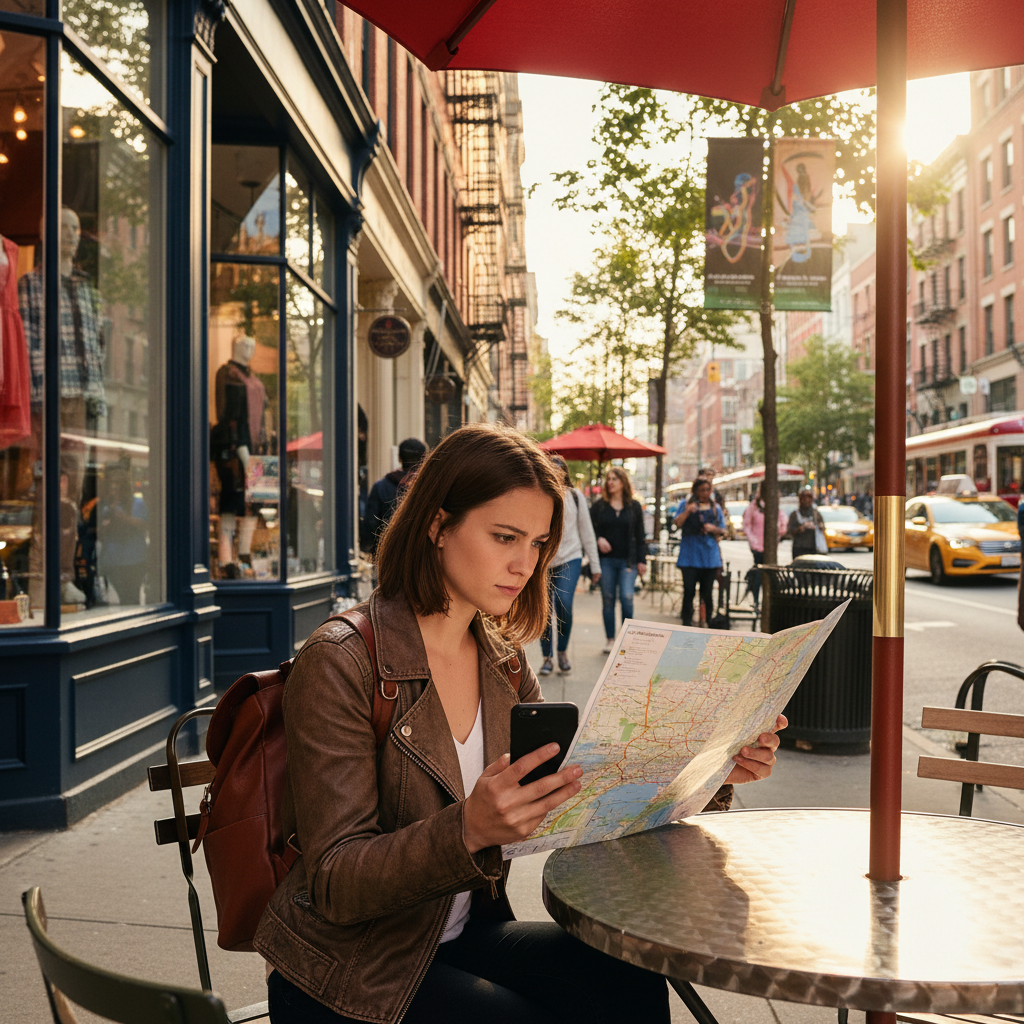
Start with a “walkable goal,” not a long attraction list
If you try to hit every landmark, you’ll optimize for stress. A better approach is choosing a walkable goal, meaning a compact area and a clear theme: architecture, food, parks, bookstores, murals, waterfront, or “best of downtown.”
Two quick rules that keep plans realistic:
- Pick 1 anchor per half-day, like a museum, market, or neighborhood main street, then add flexible stops around it.
- Limit “must-dos” to 3–5. Everything else becomes a bonus, which feels better when time or weather shifts.
According to National Geographic, walking is one of the simplest ways to experience local street life and small details you’d miss otherwise, which is exactly why a theme-based plan tends to feel richer than a checklist plan.
Build an efficient route that flows (and avoids backtracking)
Most inefficiency comes from zigzagging across barriers: highways, rail lines, rivers, steep hills, or districts that look close on a map but are awkward on foot. When you’re figuring out how to explore city on foot efficiently, treat those barriers as “hard edges” you cross once, not repeatedly.
A simple route method that works in most cities
- Cluster stops: group sights within the same neighborhood or along one corridor.
- Choose a direction: north-to-south (or river-to-hills), so the day has a natural flow.
- Use one “transit hop”: start far and walk back, or walk out and transit back. It saves energy and time.
- Plan one reset point: a cafe, park bench, or indoor spot that can absorb weather and fatigue.
Many map apps can estimate walking time, but they don’t always reflect crowding, construction, or long crosswalk waits. Build in cushion time, especially around popular districts.
Use this quick planning table before you leave
You don’t need a spreadsheet, but a small table forces the key decisions. Here’s a lightweight template you can copy into notes.
| Block | Anchor | 2–3 nearby add-ons | Planned break | Exit option |
|---|---|---|---|---|
| Morning | Market / Museum | Coffee spot, scenic street, small gallery | 15–25 min | Bus/subway to next area |
| Midday | Neighborhood main street | Lunch, local shop, quick lookout | 30–45 min | Rideshare if weather turns |
| Afternoon | Park / waterfront | Snack, photo stop, sunset point | 10–20 min | Return route to hotel |
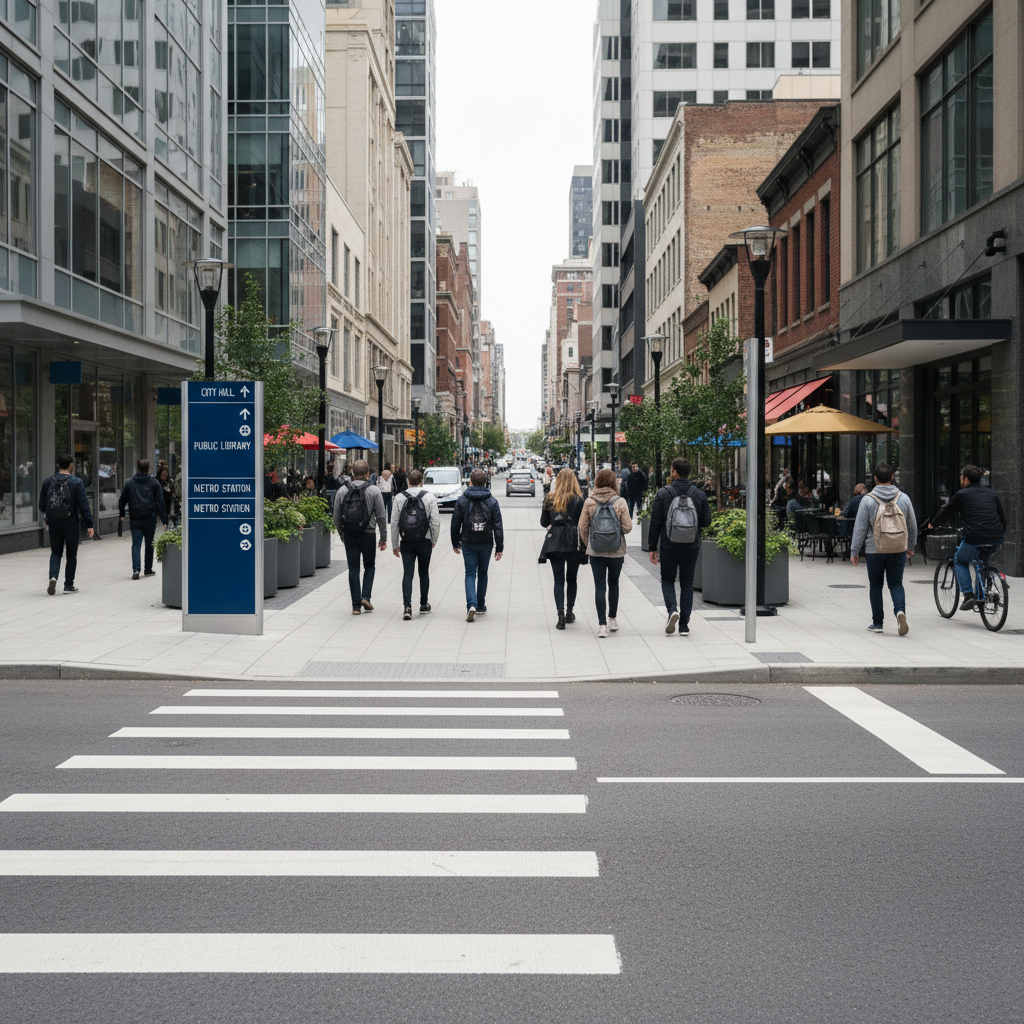
Self-check: are you set up for efficient walking?
Before you commit to a big day, run this quick check. It prevents the “I can walk 10 miles… until I can’t” situation.
- Distance reality: can you comfortably walk 4–6 miles today without soreness tomorrow?
- Shoe reality: broken-in shoes, not “new but cute.” Blisters ruin efficiency.
- Weather reality: heat, rain, or wind can cut your pace more than you expect.
- Time reality: are you leaving enough time for meals, lines, and wandering?
- Safety reality: do you know which areas to avoid late at night?
If two or more items feel shaky, keep your route tighter and add a transit fallback. The most efficient plan is the one you can actually finish with decent energy.
On-the-ground tactics: pace, breaks, and micro-choices
Efficiency isn’t walking faster all day. It’s controlling the small leaks: standing around, doubling back, and hitting energy crashes that force long stops.
Pacing that keeps you moving without burning out
- Start slightly slower than you think for the first 20 minutes, your body warms up and your eyes adjust to the city.
- Use “photo stops” as breaks, 60–90 seconds, breathe, sip water, check the next turn.
- Do the hill earlier if your route includes one. Legs are fresher, and you’ll enjoy the view more.
Food and hydration: the quiet efficiency boosters
- Carry water, refill when convenient, and don’t wait until you feel thirsty, especially in heat.
- Choose lunch spots near your route, not “the best place” two miles away unless it’s truly a priority.
- Keep a small snack, it prevents the late-afternoon slump that makes the last mile feel endless.
According to the CDC, staying hydrated and taking heat seriously reduces the risk of heat-related illness. If you have health conditions or you’re not used to walking in high temperatures, it’s smart to pace conservatively and consider asking a healthcare professional for personalized advice.
Safety and comfort without overthinking it
Walking efficiently also means avoiding situations that slow you down: getting lost, feeling uneasy, or scrambling for essentials. A few habits cover most of it.
- Keep your phone charged, a small power bank can save the day when maps and transit depend on battery.
- Use “one ear rule” if you wear headphones, keep one ear free in busy areas.
- Mind the time shift: some blocks feel fine at 2 p.m. and less comfortable at 10 p.m., plan your last leg accordingly.
- Share your rough plan with a friend if you’re solo, especially at night.
If you’re unsure about a neighborhood, ask your hotel staff or a local shop owner for a quick read. It’s often more useful than internet arguments.
Putting it together: a practical “efficient walking day” plan
If you want a simple blueprint, this is a reliable structure for how to explore city on foot efficiently without turning the day into a rigid schedule.
- 90-minute focus loop: walk a compact cluster, enjoy details, take short stops.
- 15–25 minute reset: coffee, restroom, shade, quick route check.
- Repeat once, then take a longer meal break.
- One scenic closer: park, waterfront, viewpoint, something low-effort that still feels like a finish.
Key takeaway: efficiency comes from rhythm, not intensity. When you stay in a good rhythm, you see more, and the day feels longer in the best way.
Conclusion: see more by planning fewer moves
If your goal is to cover ground and still enjoy the city, keep the plan neighborhood-based, build a one-direction route, and protect your energy with short resets. Try one change on your next walk day, like starting farther out and walking back, then see how much smoother your route feels.
If you’re heading out tomorrow, open your map now, choose one anchor, and circle what’s within a 20-minute walk. That small step usually does more than another hour of research.