
Chinese garden travel guide questions usually show up right after you book a trip: you know you want “a garden day,” but you also want to understand what you’re seeing, not just walk through pretty scenery.
That’s a smart instinct because classical Chinese gardens were built as cultural “systems,” poetry, painting, philosophy, and daily life braided together, so if you only chase famous viewpoints, you can miss what makes the place feel alive.
This guide keeps things practical for U.S. travelers, what to look for, how to pace a visit, how to behave respectfully, and how to leave with stories that mean something.
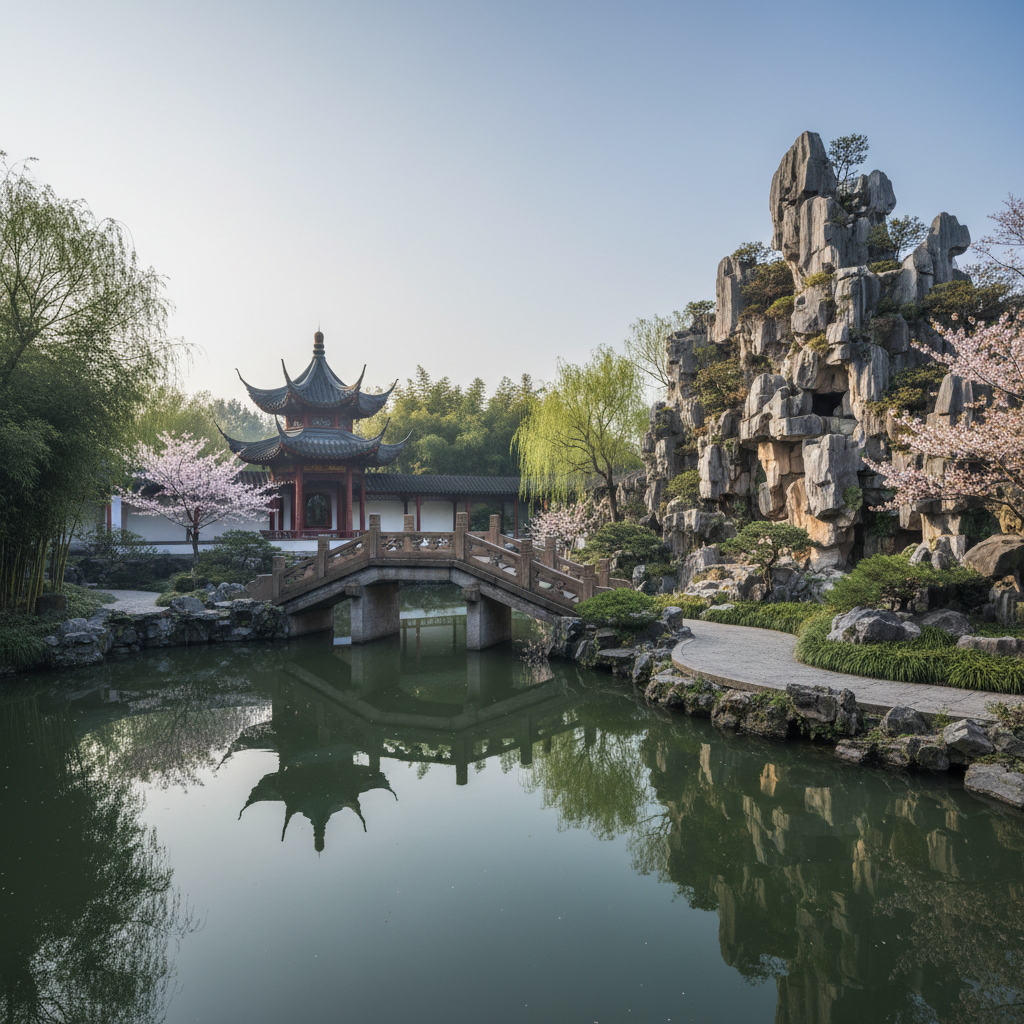
What makes a Chinese garden “cultural,” not just scenic
A lot of travelers expect gardens to be about flowers and symmetry, but many Chinese gardens focus on controlled variety: narrow-to-wide spaces, framed views, and scenes that feel like scroll paintings.
According to UNESCO, classical gardens such as those in Suzhou represent a high point of Chinese garden art, translating philosophical and artistic ideas into physical space.
- Borrowed scenery: using distant roofs, trees, or hills outside the walls as part of the composition.
- Framed views: moon gates, windows, and doorways that “crop” the landscape like a painting.
- Rockeries: not random piles, but symbolic mountains, often paired with water to echo landscape painting.
- Named pavilions: names point you toward a mood, a season, or a line of poetry.
If you want your photos to look better too, here’s the shortcut: stop and look for what the designer wanted you to see, usually through a frame or along a turn.
Quick self-check: what kind of garden visit do you actually want?
Before you pick which gardens to prioritize, get honest about your goal. This avoids the common mistake of trying to “do culture” and “do everything” in the same half-day.
- First-timer: you want an iconic garden that explains itself easily.
- Architecture/design: you care about materials, layout, restoration, and craft details.
- Quiet mood: you want fewer crowds, slower pacing, more sitting than walking.
- Family-friendly: you need strollers, wider paths, and fewer tight corridors.
Keep that in mind as you plan, because your “best” garden is often the one that matches your energy level that day.
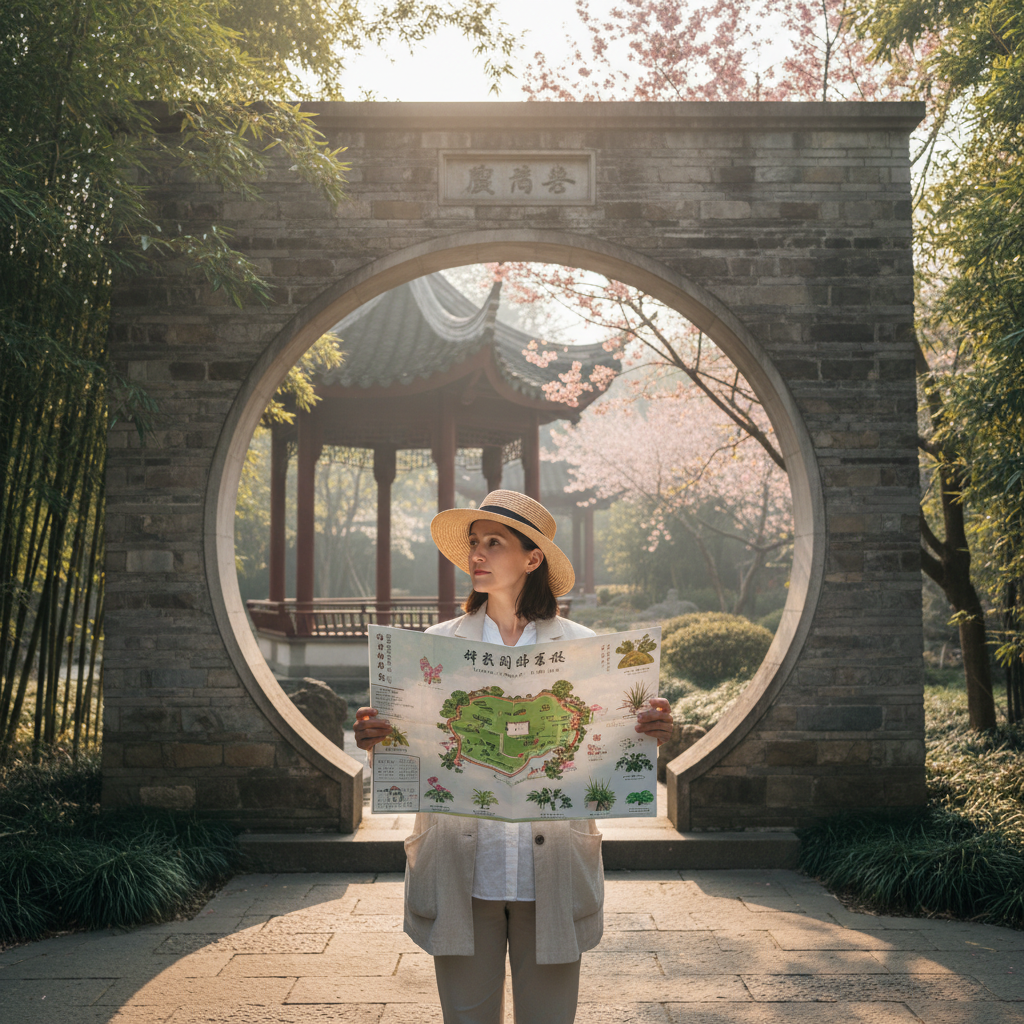
How to plan your day: timing, tickets, and pacing
A solid chinese garden travel guide should tell you this plainly: gardens feel completely different depending on time and crowd density, and crowding can flatten the whole “sequence of views” design.
Timing that usually works
- Weekday mornings tend to be calmer and better for photos.
- Late afternoon can be beautiful, but watch for early closing hours.
- Rainy days can be surprisingly good if paths stay safe, wet stone and mist match the garden aesthetic.
Pacing guidelines (realistic, not heroic)
- Small-to-medium garden: 60–120 minutes with sitting time.
- Large garden + museum add-ons: 2–4 hours.
- If you want cultural depth: plan one main garden plus a nearby neighborhood walk, not three gardens back-to-back.
Also, bring cashless payment options and your ID or passport copy if the venue requests verification, rules vary by city and ticketing platform.
What to look for inside: a simple “read the garden” method
If you only remember one method, use this: frame, turn, pause, name. It keeps you from speed-walking through a place designed for slow discovery.
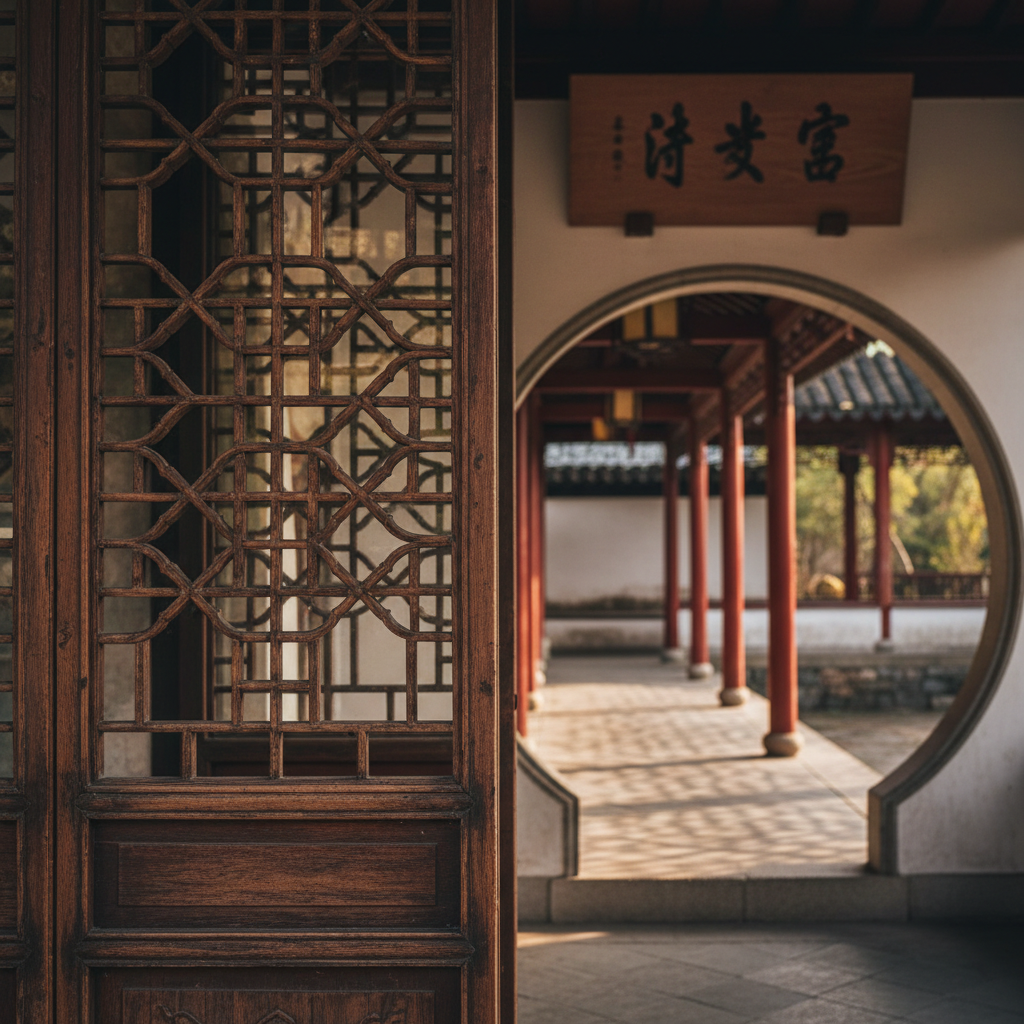
- Frame: find windows, doors, and openings, then view the scene as a composed picture.
- Turn: follow zigzag bridges and corridor bends, notice how the view changes every few steps.
- Pause: sit in a pavilion, listen to water, watch how people use the space.
- Name: read the pavilion or hall name, then ask what mood it suggests, solitude, gathering, rain, moonlight.
According to The Metropolitan Museum of Art, Chinese garden aesthetics connect closely with literati culture, poetry, calligraphy, and painting, so names and inscriptions are often “content,” not decoration.
Etiquette and cultural respect that travelers often miss
Most garden etiquette is simple, but it matters because many sites are historic and still function as public cultural spaces, not theme parks.
- Keep voice low in halls and near pavilions where people rest or read signage.
- Don’t step onto fragile stones or climb rockeries, damage can be permanent.
- Ask before photographing people, especially if they’re practicing music, calligraphy, or tea.
- Stay behind barriers even if the “perfect photo angle” is tempting.
If you travel with kids, set expectations early: “slow walking zone,” one snack break, one photo spot, then a playground or open park afterward.
Practical packing and accessibility tips (especially for U.S. travelers)
This is the part many guides skip, but it affects your experience more than you’d expect, stone paths, steps, humidity, and sudden weather shifts can change the day.
- Shoes: grippy soles, stone can be slick after rain.
- Layers: covered corridors feel cooler, open courtyards can be bright and hot.
- Water: bring a bottle, but check if certain interiors restrict drinks.
- Translation help: camera translation works for signs, but it can miss poetry nuance, a short guided tour can fill that gap.
Accessibility varies a lot. Some gardens have narrow corridors and steps, so if mobility is a concern, it’s worth contacting the venue ahead of time or choosing modern parks that borrow classical design features.
A sample 3-hour cultural itinerary (and how to adapt it)
Here’s a structure you can reuse in Suzhou, Shanghai, Beijing, or anywhere with a notable Chinese garden. It’s less about the “perfect list” and more about not burning out.
- 0:00–0:20 Entry loop: don’t chase the headline view yet, do one slow circuit to map the space.
- 0:20–1:20 Two “scenes”: pick two signature areas, spend time reading inscriptions and observing layout changes.
- 1:20–1:50 Sit break: pavilion, tea corner, or a bench with a framed view.
- 1:50–2:40 Details pass: corridor patterns, windows, rockery textures, reflections on water.
- 2:40–3:00 Exit via gift/book area: look for a small booklet or postcard set that explains names and design elements.
If you’re with a group that has mixed interests, split for 30 minutes: one person photographs, another reads signage, then you trade notes, it sounds small, but it makes the visit feel richer.
Comparison table: choosing the right garden experience
This quick table helps you match expectations with reality, which is basically the difference between “nice” and “wow, I get it now.”
| Goal | What to prioritize | Common pitfall | Fix |
|---|---|---|---|
| Iconic first visit | Famous classical site, early entry | Rush to landmarks | Do one full loop before “hero shots” |
| Culture + meaning | Names, inscriptions, guided context | Skip text because it’s not in English | Use translation, or book a short tour |
| Quiet + photos | Weekday morning, shoulder season | Arrive midday | Shift time, or choose less famous gardens |
| Family-friendly | Wider paths, nearby parks | Too many small gardens in one day | One garden, one open-area activity |
Key takeaways before you go
- Slow down on purpose, Chinese gardens reward pacing more than distance covered.
- Look for frames and turns, that’s how the design “talks.”
- Plan around crowds, the same garden can feel magical or flat depending on timing.
- Respect the space, many features are fragile and culturally significant.
Conclusion: turn a garden stop into a cultural memory
A chinese garden travel guide works best when it gives you a way to see, not just a place to go, once you notice framing, naming, and the mountain-water logic, even a short visit can feel like you stepped into a different tempo.
If you do one thing this week, pick one garden you’ll visit, then set a simple intention: “I’m here to read the space,” not “I’m here to finish the checklist.” That small switch usually changes everything.
FAQ
What is the best time of day to visit a Chinese garden for photos?
Morning often gives softer light and fewer people, which matters because corridors and framed windows look better without crowding, late afternoon can be beautiful too if the site stays open long enough.
Do I need a guided tour, or can I self-guide with a translation app?
You can self-guide, especially if signage is solid, but a short guided tour can add context for pavilion names and inscriptions where translation apps tend to sound literal.
How long should I spend in one garden?
Many travelers enjoy 1–2 hours for a medium garden, if you want cultural depth, plan sitting time and a second “details pass,” otherwise it becomes a fast walk-through.
Are Chinese gardens suitable for travelers with limited mobility?
It depends on the garden, older sites may have steps, uneven stone, and narrow corridors, it’s worth checking accessibility notes in advance or choosing modern parks inspired by classical design.
What should I read up on beforehand to understand what I’m seeing?
A basic overview of literati culture and landscape painting concepts helps, even learning the idea of “mountain and water” composition makes rockery and ponds feel intentional rather than decorative.
Is it respectful to take portraits in a classical garden?
Usually yes in public outdoor areas, but avoid blocking corridors, keep volume low, and be careful around fragile features, if staff indicate restrictions, follow them.
Which Chinese cities are known for classical gardens?
Suzhou is the classic reference point, but you’ll also find major historic gardens in places like Beijing and Shanghai, plus many cities have well-designed modern gardens that still teach the same visual language.
If you’re planning a culture-forward trip and want a chinese garden travel guide tailored to your city list, time of year, and walking pace, a simple itinerary review or a short private tour booking can be a more stress-free route than piecing it together last minute.