
Homestay travel cultural experience can be one of the fastest ways to move from “I saw the place” to “I actually understand how people live here.” It can also feel awkward at first, especially if you worry about offending someone, staying safe, or paying for a setup that turns out to be basically a spare room with no real connection.
The good news is that you don’t need perfect language skills or an extrovert personality to do this well. What you need is a clear idea of what you want from the stay, a simple way to vet hosts, and a few etiquette habits that keep things comfortable for both sides.

This guide focuses on practical choices that tend to make or break the experience, from selecting the right kind of host to setting expectations around meals, schedules, privacy, and house rules. I’ll also flag common missteps people make when they chase “authenticity” a little too hard.
What a homestay really is (and what it isn’t)
A homestay sits somewhere between a hotel and staying with friends. You’re paying for lodging, and sometimes meals or activities, but you’re also entering someone’s daily routine. That mix is the whole point, and it’s also where confusion starts.
- It is: shared space, real-world rhythms, small cultural moments, and opportunities for conversation.
- It is not: a guaranteed “family bonding” experience, a cultural performance, or a 24/7 guided tour.
According to U.S. Department of State, travelers should research local conditions and follow local laws and customs when abroad. In a homestay, that advice matters more because you’re closer to everyday life, not a tourism bubble.
Why people feel disappointed: the usual friction points
Most negative reviews don’t come from “bad people,” they come from mismatched expectations. These are the issues that show up repeatedly across destinations.
- Different definitions of privacy: quiet hours, closed doors, shared bathrooms, visitors, and personal space norms vary widely.
- Food assumptions: some hosts include meals, some don’t, and “breakfast included” might mean coffee and bread, not a full spread.
- Time and logistics: check-in windows, key access, laundry rules, and shower timing can be stricter than a hotel.
- “Authentic” pressure: travelers sometimes expect constant interaction, while hosts may expect guests to be independent.
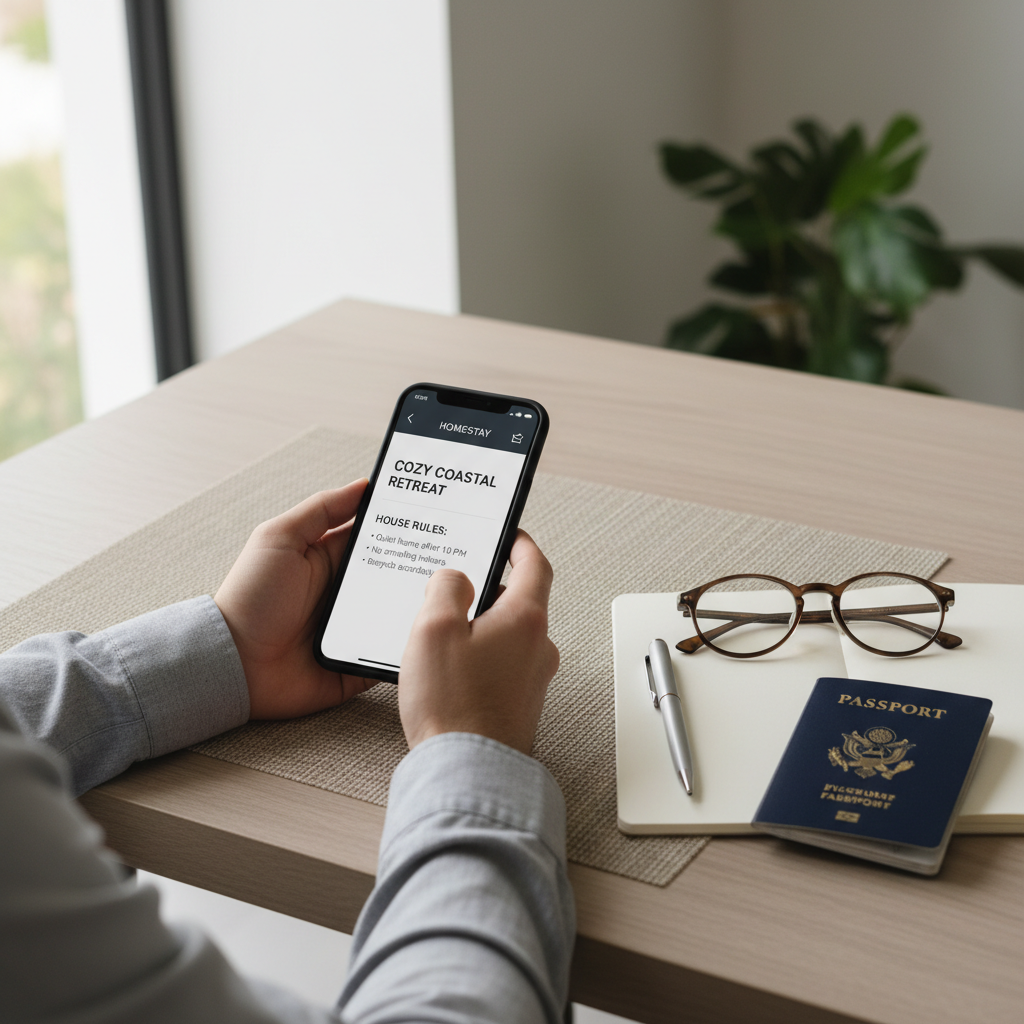
If you want a stronger homestay travel cultural experience, the goal is not “more activities,” it’s better alignment on what daily life together will look like.
A quick self-check: what kind of homestay do you actually want?
Before you book, decide where you land on these tradeoffs. This saves you from choosing a place that’s “highly rated” but wrong for your trip.
- Connection level: Do you want shared meals and conversation, or mostly a quiet base with light interaction?
- Structure: Do you want planned cultural activities, or informal hangouts that happen naturally?
- Language: Do you want immersion, or a host who’s comfortable in English when you get stuck?
- Household style: Kids, pets, multigenerational homes, and roommates can be wonderful, or exhausting, depending on you.
Key point: if you’re taking this trip mainly to rest, don’t force a “family-style” homestay. Pick a private room with clear boundaries and build cultural moments outside.
How to choose a host and listing without overthinking it
You can’t eliminate uncertainty, but you can reduce it. Look for signals that the host understands what guests need, not just that they have a nice kitchen photo.
What to look for in the listing
- Specific house rules: quiet hours, shoes policy, kitchen access, laundry, visitors, smoking, work-from-home expectations.
- Clear inclusions: meals, pickup, tours, language exchange, and what costs extra.
- Photos that match the story: shared spaces shown clearly, not only staged bedroom shots.
- Neighborhood context: distance to transit, safety notes, and what “walkable” actually means there.
Review patterns that matter more than star ratings
- Repeated mentions of cleanliness and communication across many guests.
- Reviews from travelers with similar needs, like families, solo travelers, or remote workers.
- How the host responds to criticism, especially about misunderstandings.
When you message the host, keep it simple and direct. Ask 3–5 questions max, and include one sentence about your style: “I’m usually out exploring during the day, but I enjoy chatting over dinner if that’s comfortable for your household.”
Etiquette that usually makes hosts relax (and your stay smoother)
You don’t need to memorize a rulebook. A few habits tend to translate well across cultures, and they prevent the “walking on eggshells” feeling.
- Confirm routines early: shower times, door locking, meal timing, and whether you should text when you’ll be late.
- Offer small help: clearing dishes, keeping shared areas tidy, asking before using appliances.
- Match the household’s energy: if they’re quiet in the morning, keep mornings quiet.
- Be curious, not interrogating: one thoughtful question beats a rapid-fire interview.
- Respect “no” quickly: if a topic feels sensitive, change lanes without making it dramatic.

Gifts are optional. If you bring something, keep it light and practical, like a small item from your hometown or something shareable. Skip anything expensive, it can create discomfort or obligation.
Practical safety and health basics (without getting paranoid)
Most homestays are fine, but you’re still traveling, so basic risk management is smart. According to CDC, travelers should plan ahead for destination-specific health considerations and routine vaccines. If you have medical conditions, it’s reasonable to consult a clinician about travel plans.
- Share your itinerary with a friend or family member, include address and host contact.
- Use secure payments through reputable platforms when possible, avoid wire transfers to strangers.
- Trust your instincts: if check-in feels off, prioritize leaving safely and contacting the platform.
- Food and allergies: communicate allergies clearly, and consider translation cards if needed.
- Privacy: keep valuables secured, and treat shared spaces like you would in a hostel.
If you’re a solo traveler, you might prefer a listing with many recent reviews and clear boundaries around visitors and access. That’s not “being difficult,” it’s choosing the right fit.
A simple plan to get a richer cultural experience (without forcing it)
People often think the “cultural” part must be big: ceremonies, festivals, deep talks. In reality, the best homestay travel cultural experience often comes from small repeatable moments.
Try this 3-part routine
- Day 1: Align on house rules, schedules, and comfort zones, then take a short neighborhood walk.
- Days 2–3: Join one everyday activity, like a market visit, a family meal, or a local commute.
- Final day: Reflect with one sincere thank-you conversation, and ask for one local recommendation you can do after checkout.
Conversation prompts that feel natural
- “What’s a normal weekday like for you here?”
- “Is there a food people here grew up with that visitors usually miss?”
- “If you had one free afternoon in this neighborhood, where would you go?”
Comparison table: pick the homestay style that matches your trip
Use this as a quick filter when you’re scrolling listings late at night and everything starts to look the same.
| Homestay style | Best for | Typical tradeoff | Questions to ask |
|---|---|---|---|
| Family-style room + shared meals | Travelers who want connection and routine | Less privacy, more house rules | “How often do you eat together, and what time?” |
| Private room, light interaction | Independent travelers who still want local context | Cultural exchange may be subtle | “Is kitchen access included, and what are quiet hours?” |
| Hosted experiences (classes, tours) | Short trips, first-time visitors | Can feel structured or “packaged” | “What’s included vs extra cost, and how long is the activity?” |
| Rural/remote homestay | Nature-focused travelers, slower travel | Transport and connectivity challenges | “How do guests usually arrive, and is there reliable cell service?” |
Common mistakes that quietly ruin the vibe
- Assuming you’re “part of the family” on day one: closeness grows, it can’t be demanded.
- Turning everything into content: asking before photographing people and private spaces is basic respect.
- Over-apologizing: one sincere correction works better than repeatedly saying sorry and creating tension.
- Expecting your host to be your fixer: they can help, but they’re not a concierge desk.
Key takeaway: the best cultural stays usually feel simple, consistent, and mutually respectful, not intense.
Wrap-up: what to do next
If you want a homestay that actually changes how you see a place, aim for alignment over “authenticity,” ask a few clear questions, and treat routines with respect. That combination tends to unlock the moments you can’t schedule.
Your next step is easy: pick one destination, decide your connection level, then shortlist three listings and message hosts with the same short set of questions so you can compare responses.
FAQ
How do I know if a homestay will be a real cultural exchange?
Look for listings that describe everyday interaction in specific terms, like shared meals, market visits, or language exchange, and reviews that mention natural conversation rather than staged activities.
Is a homestay safe for solo travelers?
Often yes, but it depends on the listing, location, and your comfort level. Choose places with many recent reviews, clear rules about visitors, and straightforward communication, and keep standard travel safety habits.
What should I ask a host before booking?
Ask about house rules, who lives in the home, what spaces you can use, how keys and check-in work, and what “meals included” actually means. These questions prevent most misunderstandings.
Do I need to bring a gift for my host family?
No, and in some situations it can feel awkward. If you want to bring something, keep it small and thoughtful, and avoid expensive items that may create obligation.
What if there’s a language barrier?
It’s manageable if expectations are clear. Use translation apps for logistics, learn a few polite phrases, and plan one low-pressure shared activity, like a walk or a meal, where conversation can be minimal.
How long should a homestay be for a meaningful experience?
Many travelers feel the first day is adjustment and the second day is when things click, so even 2–3 nights can work. Longer stays help if you want routine and deeper connection, but only if boundaries feel comfortable.
What if I feel uncomfortable after I arrive?
Prioritize your safety and options. If it’s a minor mismatch, talk to the host calmly and early; if it feels unsafe, leave, document what happened, and contact the booking platform for guidance.
If you’re planning a trip and want a more reliable homestay travel cultural experience without guesswork, it often helps to write your “non-negotiables” in one sentence, then use that to screen listings and message hosts consistently, it saves time and avoids awkward surprises.