
Solo Female Travel Safety Tips for Confidence
Solo female travel safety tips work best when they’re practical, repeatable, and tailored to where you’re going, not when they turn your trip into a stress test.
A lot of women aren’t worried about “travel” in general, they’re worried about the small moments: arriving after dark, a too-friendly stranger, a ride that feels off, a hotel hallway that’s too quiet. That’s the stuff that can chip away at confidence.
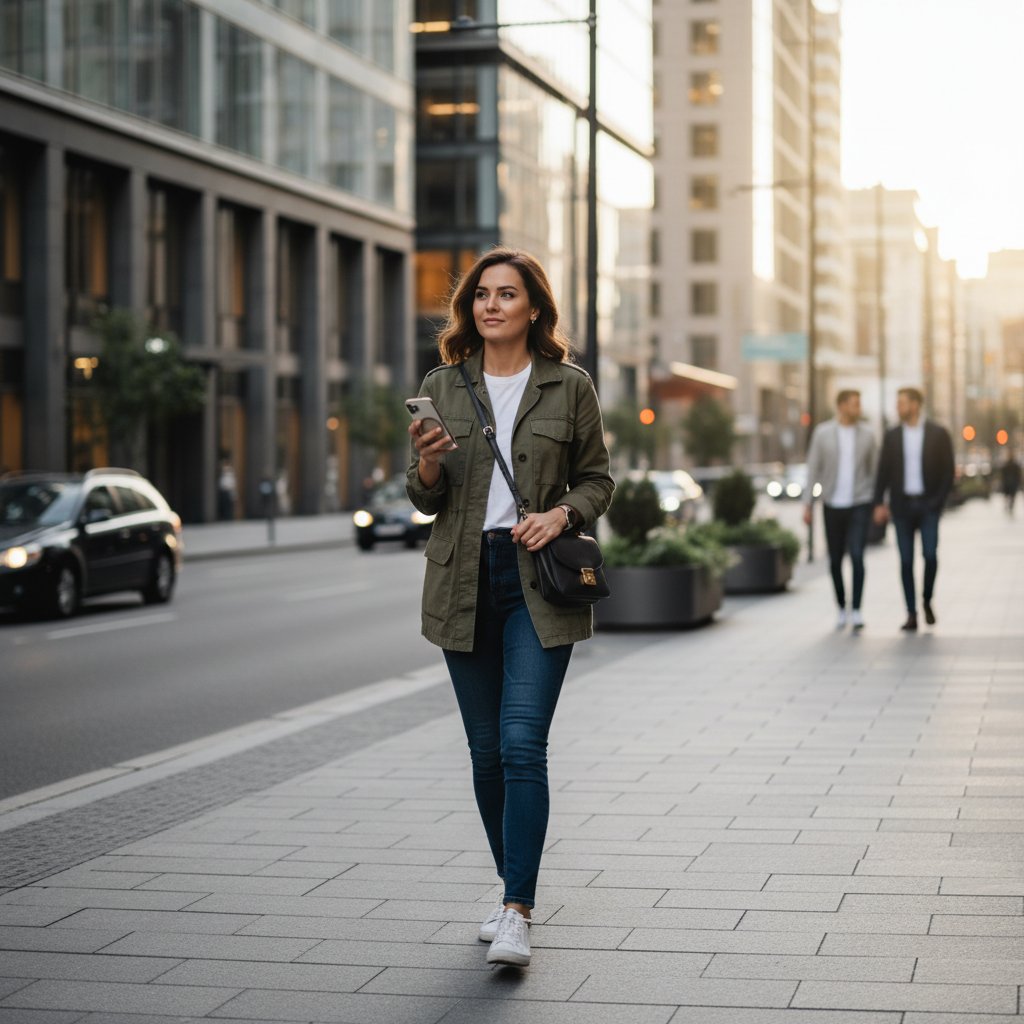
This guide focuses on the moves that reduce risk in real life: planning without overplanning, staying aware without looking scared, and building a simple “if this happens, I do that” routine. You’ll also get a quick self-checklist, a scenario-based playbook, and a small table you can screenshot.
One quick mindset shift helps: safety isn’t a vibe, it’s a system. Your system can be light, it just needs to be consistent.
Know what actually increases risk (and what mostly doesn’t)
Many safety issues come from predictable patterns, not random bad luck. If you adjust the patterns, you usually cut the risk sharply.
- Transitions tend to be higher-risk: airport to hotel, hotel to nightlife area, getting back late, changing neighborhoods.
- Isolation changes the math: empty train cars, quiet stairwells, secluded viewpoints, beach paths at dusk.
- Impaired judgment is a common factor: too much alcohol, exhaustion, jet lag, distraction.
- Information leakage can snowball: broadcasting your exact location, room number, or solo status.
What often matters less than people think: wearing “touristy” clothes, speaking with an accent, or looking lost for a minute. Those can attract attention, sure, but attention isn’t the same thing as danger. Your goal is to stay in control of distance, exits, and decisions.
A quick self-check: what kind of trip are you taking?
Use this to decide how strict your safety “defaults” should be. Different trips call for different settings.
- First-time solo trip: you’ll benefit from stricter routines and earlier nights while you build comfort.
- Major city with strong transit: you can lean on public spaces, but watch late-night station areas.
- Road trip: your main risk points become stops, parking, breakdowns, and remote stretches.
- Beach / resort: don’t let “relaxed” equal “unguarded,” especially with drinks and new friends.
- Adventure / hiking: your biggest threat may be injury or weather rather than crime.
If you answer “yes” to two or more of these, tighten your plan: arriving after dark, multiple connections, heavy nightlife, remote lodging, limited cell coverage.
Pre-trip planning that buys you real confidence
The best solo female travel safety tips often happen before you leave, because they reduce the number of “figure it out on the street” moments.
Build a light but firm arrival plan
- Land in daylight when you can, or at least plan your first night for convenience over charm.
- Save your hotel address offline, plus a screenshot of the route from the airport or station.
- Decide your transport choice in advance: official taxi stand, reputable rideshare, hotel pickup, or public transit.
Choose lodging with safety in mind (not fear)
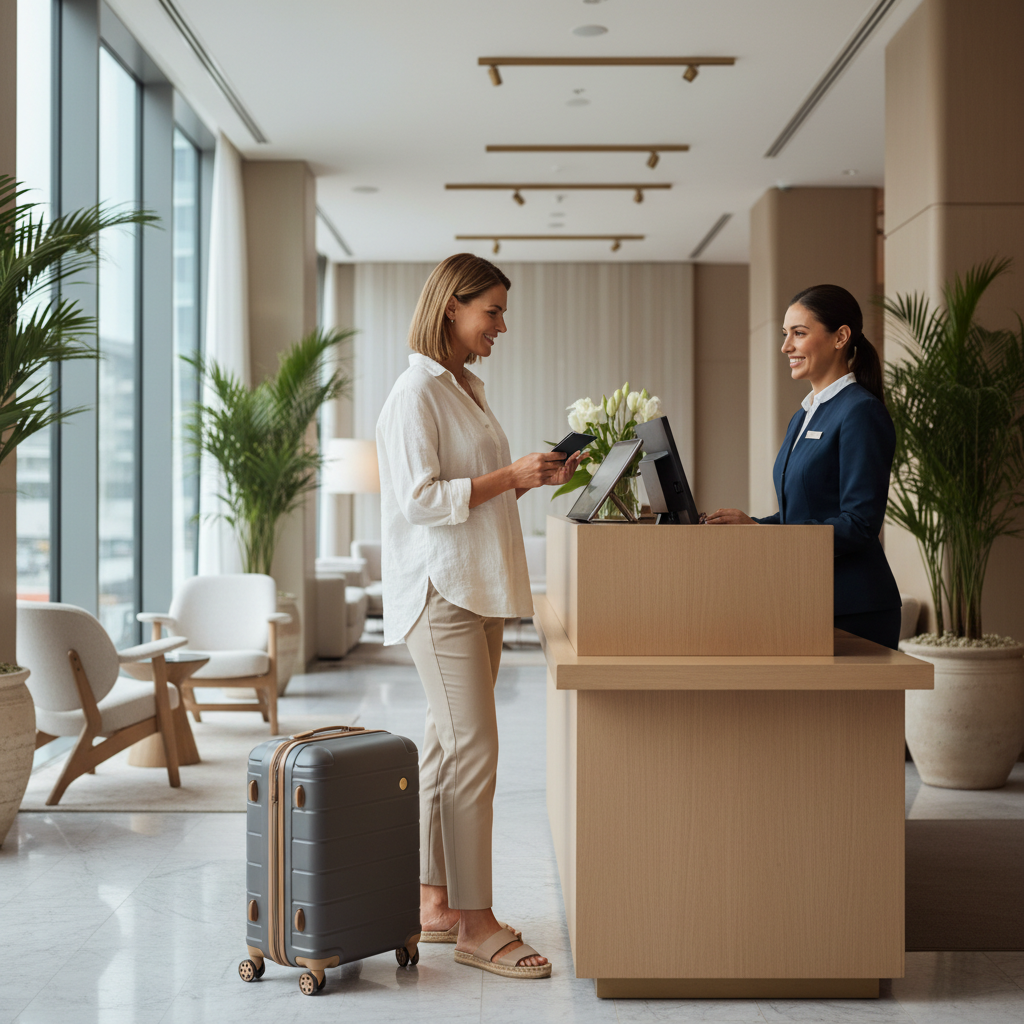
- Look for staffed reception, solid recent reviews about check-in, and clear location info.
- Avoid “too isolated to be charming” if you’ll come and go alone.
- Consider a room that doesn’t require walking through deserted exterior corridors late at night.
Share your plan the smart way
Give one trusted person a simple itinerary and a “check-in rule” like: message after landing, after check-in, and before bed on moving days. Keep it lightweight so you’ll actually do it.
According to the U.S. Department of State, travelers should review destination-specific advisories and enroll in updates for major disruptions. That’s not alarmist, it’s just helpful context for planning.
Street-smart habits that don’t make you feel paranoid
Confidence comes from having defaults you don’t debate in real time. Think of these as “background settings.”
- Control your bubble: if someone closes distance too fast, you step to the side, change pace, or enter a public place.
- Keep an exit in view at cafés, stations, and bars. It’s subtle, but it changes how trapped you feel.
- Reduce “hands-full” moments: one easy-to-open bag, wallet access without rummaging, keys ready before you reach your door.
- Don’t advertise your room number and avoid saying out loud that you’re alone in line or at reception.
- Trust pattern breaks: if something feels off because it’s unusual, not because you’re anxious, take it seriously.
If you’re navigating at night, choose well-lit main streets even if it adds ten minutes. Many situations don’t escalate when there are more eyes around.
Scenario playbook: what to do when a moment turns weird
This is where many people freeze, because they don’t want to “be rude.” You can be polite and still be firm, but safety gets priority.
If someone won’t stop talking to you
- Use a closing line that doesn’t invite debate: “I’m meeting someone, have a good night.”
- Change context fast: step into a shop, approach a staff member, or join a group space.
- If needed, call someone and start narrating your location out loud.
If a ride feels wrong
- Ask to end the trip in a public area, not at your exact lodging entrance.
- Share your live trip status with a trusted contact if your app supports it.
- If you feel immediate danger, prioritize getting out where it’s populated and contacting local authorities.
If you think someone is following you
- Don’t go straight to your hotel or rental.
- Cross the street, change direction, enter a busy business, and reassess.
- Ask for help directly: “Hi, I think I’m being followed, can I wait here a minute?”
These responses aren’t about assuming the worst. They’re about keeping you out of the “maybe it’s nothing” loop when your gut is trying to get your attention.
Digital safety and privacy: the quiet part of staying safe
Physical safety gets the spotlight, but digital exposure can create real-world problems, especially when you travel alone.
- Delay location posting: share after you leave a place, not while you’re there.
- Review who can see your stories and real-time updates.
- Use a strong passcode and enable device tracking in case your phone disappears.
- Be cautious with public Wi‑Fi for banking or sensitive logins; a VPN may help, depending on your setup.
According to the Federal Trade Commission, travelers should take steps to protect personal info and watch for scams that target unfamiliar situations. You don’t need to become a cybersecurity expert, just avoid the obvious openings.
A simple safety toolkit (with a quick table)
Keep your toolkit small. The point is to actually carry and use it, not build a “just in case” museum in your bag.
| Situation | Prep item | Why it helps |
|---|---|---|
| Late arrival | Offline map + written address | Reduces phone fumbling and wrong turns |
| Hotel entry | Door wedge or portable alarm (where allowed) | Adds a layer of control in many lodging types |
| Night out | Backup cash + charged power bank | Gives options if apps fail or battery drops |
| Day exploring | Crossbody bag worn in front in crowds | Lowers pickpocket risk and distraction |
| Emergency | Local emergency number saved | Faster action when you’re stressed |
Key takeaway: your best “tool” is optionality, money, battery, and a plan B for getting back safely.
Common mistakes that look harmless (until they aren’t)
- Over-sharing details: saying your exact hotel, floor, or that you’re traveling alone to strangers.
- Letting politeness override boundaries: staying in a conversation you want to exit, accepting a “helpful” escort you didn’t request.
- Assuming familiar brands mean safe: a popular bar or hotel chain can still have sketchy surroundings at night.
- Waiting too long to pivot: the earlier you change course, the less dramatic it needs to be.
Also, self-defense tools and sprays are regulated differently by state and country. If you’re considering carrying something, it’s worth checking local rules and airline restrictions, and if you want training, consult a qualified instructor.
When it makes sense to get extra help
Some situations deserve professional support rather than DIY confidence.
- If you’re visiting a destination with rapidly changing conditions, consider a reputable local guide for the first day.
- If you’ve had prior experiences that make travel anxiety spike, a mental health professional may help you build coping strategies that travel well.
- If you’re planning remote hikes or adventure activities, talk with local outfitters about route conditions and communication options.
According to the Centers for Disease Control and Prevention, travelers should plan for health and safety risks in advance, including knowing where to get help if they become sick or injured. That kind of preparation supports confidence without feeding fear.
Practical checklist you can use on travel day
- Before you leave lodging: phone charged, emergency contact reachable, address saved offline.
- In transit: keep valuables on-body, avoid empty cars late at night when possible, stay aware at stops.
- On arrival: confirm route, enter confidently, avoid broadcasting you’re alone.
- At night: choose well-lit routes, set a “leave by” time, keep enough cash for a backup ride.
Those basics sound simple, but they’re the difference between feeling exposed and feeling prepared.
Conclusion: confidence comes from a repeatable plan
Solo female travel safety tips shouldn’t shrink your world, they should expand it by removing avoidable uncertainty. Pick a few habits you’ll use every time, build a realistic arrival plan, and practice exiting situations early when your instincts nudge you.
If you want one action today, screenshot the checklist and set up your emergency contacts before your next trip. Small setup, big payoff when you’re tired, distracted, or in a new place.
FAQ
What are the most important solo female travel safety tips for first-time travelers?
Start with arrival planning, lodging in a convenient area, and a simple check-in routine with someone you trust. The goal is fewer vulnerable transitions, not perfection.
Is it safe to tell people I’m traveling alone?
In many situations it’s fine, but it’s smart to avoid sharing that with strangers who don’t need to know, especially in transit, at check-in lines, or when you’re being “helped.”
How do I choose a safe hotel location without obsessing?
Prioritize lighting, foot traffic, and ease of transport over “hidden gem” vibes. Recent reviews that mention check-in experience and the surrounding streets are usually more useful than star ratings.
What should I do if I arrive at night and the area feels sketchy?
Don’t debate it outside with your suitcase. Go into a staffed place, contact your lodging, and switch to a reputable ride option if walking feels wrong.
Do I need self-defense tools when traveling solo?
Not always, and laws vary a lot. If you want something, check local regulations and consider training, because confidence often comes more from practice than from an object.
How can I stay safe on public transportation?
Choose busier cars, keep bags on-body, and avoid getting locked into isolated corners. If someone makes you uncomfortable, changing cars or getting off at a busy stop can be a calm, effective reset.
How do I protect my phone and accounts while traveling?
Use a strong passcode, enable tracking, and be careful with public Wi‑Fi for sensitive logins. Also consider delaying location posts so you’re not advertising where you are in real time.
If you’re planning a trip and want a more streamlined way to apply these habits, a simple pre-trip checklist and a realistic “arrival plan” template can save time and cut decision fatigue, especially when you’re juggling flights, lodging, and local transportation.