
Japanese garden travel spots can be the easiest way to build a calmer itinerary without forcing “wellness” into every hour, you show up, slow down, and the place does some of the work for you.
Most travelers want “Zen” but end up with a checklist trip: too many temples, too many transfers, not enough sitting still. A good garden visit fixes that because it has a natural rhythm, you walk, pause, notice details, then reset.
This guide stays practical: how to choose the right garden for your mood, what to prioritize if you only have half a day, what etiquette matters, and a few realistic planning moves that keep your trip smooth.
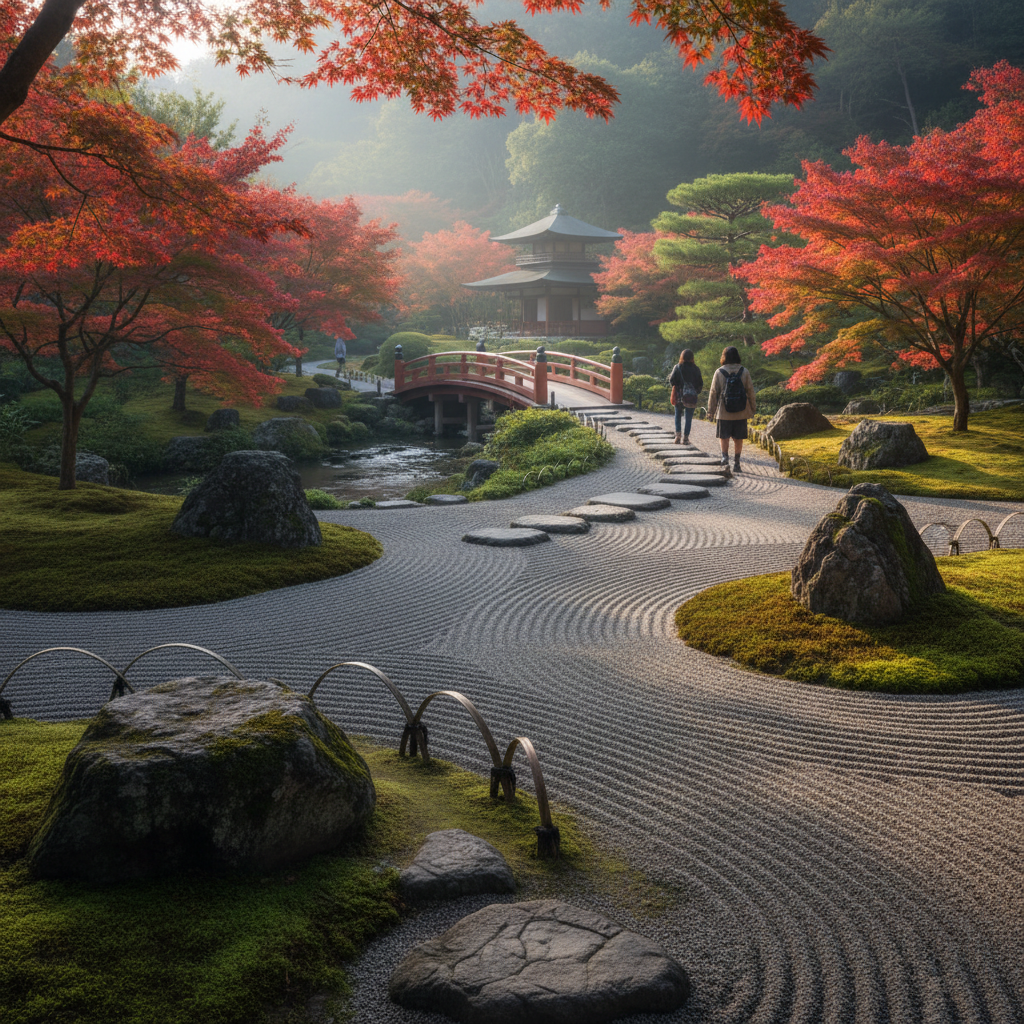
What “Zen” really means in a Japanese garden (and why it matters for planning)
For travel, “Zen” usually translates to less stimulation and more intention. In garden terms, that might mean borrowed scenery (using distant mountains as part of the view), controlled sightlines, and repeated textures like gravel, stone, and moss.
It also means your experience changes based on timing. A garden that feels meditative at 8:30 a.m. can feel busy at noon. So when people say a place was “not peaceful,” it’s often a schedule issue, not a garden issue.
- Stroll gardens: designed for walking loops, views unfold gradually, great if you like gentle movement.
- Dry landscape gardens (karesansui): gravel and rocks, often best for quiet sitting and slow looking.
- Tea gardens: smaller, intimate, built around transition and calm, good for short visits.
According to the Japan National Tourism Organization (JNTO), seasonal highlights like cherry blossoms and autumn foliage can dramatically shift crowd levels and atmosphere, so aligning expectations with season matters.
Quick pick table: which japanese garden travel spots fit your style?
If you only choose one or two japanese garden travel spots, pick based on how you want to feel, not just what’s “famous.” This quick table helps you decide fast.
| What you want | Best garden style | Good time window | Notes that save you effort |
|---|---|---|---|
| Quiet sitting, minimal walking | Dry landscape (karesansui) | Right at opening | Look for gardens with viewing platforms or temple verandas |
| Slow stroll with changing views | Stroll garden | Early morning or late afternoon | Choose one with a central pond for variety in short time |
| Photos + classic scenery | Large landscape garden | Weekday morning | Arrive before tour groups, bring a longer lens if you have one |
| Tea, culture, small space | Tea garden | Mid-morning | Pair with a tea experience to make it feel complete |
| Rainy-day calm | Moss garden / shaded garden | Light rain, not a storm | Non-slip shoes help, paths can get slick |
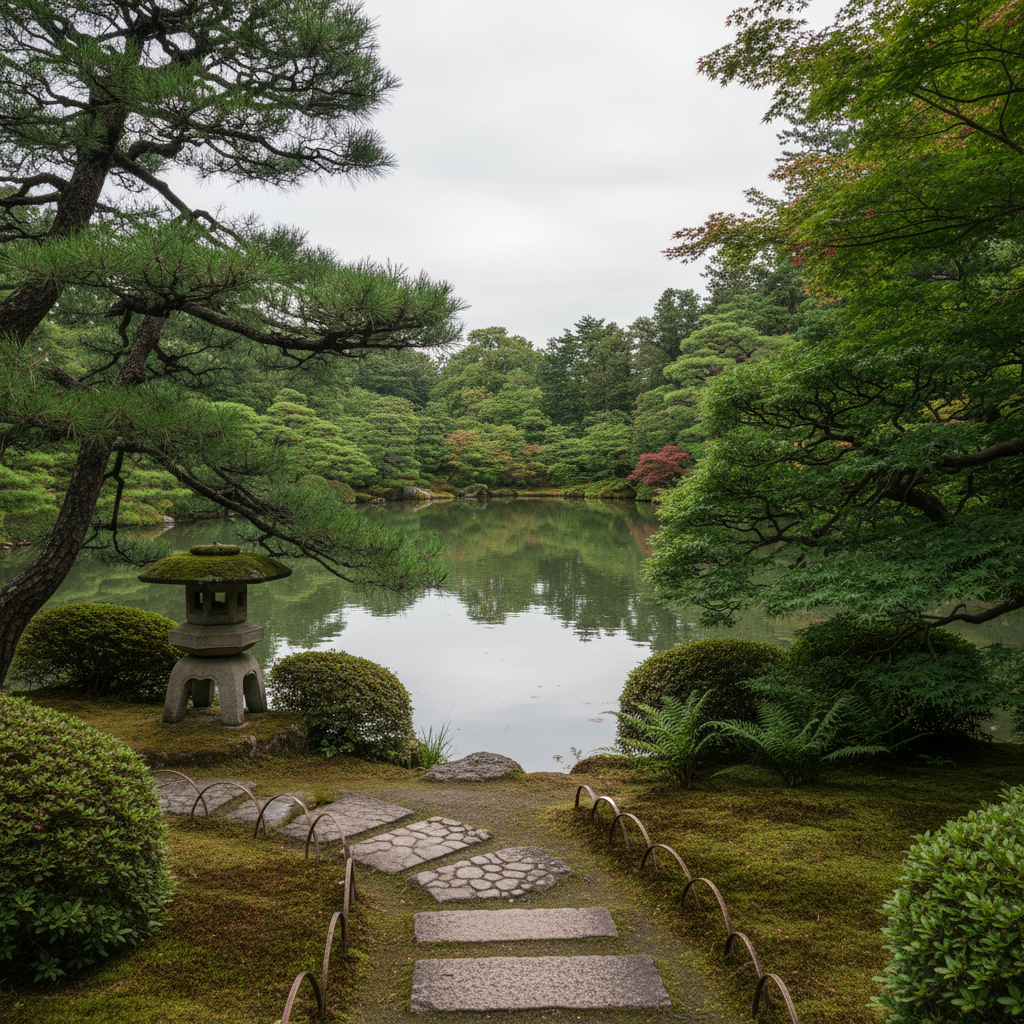
Standout garden picks across Japan (plus why each works for calm travel)
Below are well-known options that usually deliver a strong “reset” feeling. Not every spot will feel quiet at every hour, but these tend to be structured in a way that supports a slower pace.
Kyoto: Saihō-ji (Kokedera) and Tenryū-ji
Saihō-ji is famous for moss and a subdued atmosphere. Many visits involve advance steps, so it suits travelers who like planning and want fewer surprises.
Tenryū-ji works when you want a classic garden view without over-optimizing. It can be popular, but the layout still gives you pockets of calm if you linger instead of rushing.
Tokyo: Rikugien and Koishikawa Kōrakuen
Rikugien is a stroll garden that feels “composed,” even in a busy city. If you’re jet-lagged, it’s a forgiving place to walk slowly and still feel like you “did something.”
Koishikawa Kōrakuen offers variety in a compact footprint, good when your day has one big museum or shopping block and you need a calm break that still feels scenic.
Kanazawa: Kenrokuen
Kenrokuen is often described as one of Japan’s top landscape gardens. It can draw crowds, but it’s large enough that early entry can still feel spacious, especially if you start with the less obvious corners and let the main pond area come later.
Okayama: Kōrakuen
Kōrakuen has open lawns and long sightlines, which feels different from dense, shaded gardens. That openness can be soothing if you feel claustrophobic in tightly packed itineraries.
Hiroshima: Shukkeien
Shukkeien is a strong “half-day” choice: compact, photogenic, and easy to slot in around other plans. If you want japanese garden travel spots that won’t require major transit, this category matters.
A quick self-check: which type of garden experience do you actually need?
People sometimes chase “Zen” when what they want is simply a pause. This checklist helps match your mood to the right stop.
- You feel mentally noisy: pick a dry landscape garden, plan 20 minutes of sitting, phone on silent.
- You feel physically restless: pick a stroll garden with a loop, walk slowly, no rush to finish.
- You feel decision fatigue: pick one famous, easy-access garden, arrive early, skip add-on attractions.
- You feel socially drained: go weekday morning, avoid peak foliage evenings, choose larger grounds if possible.
- You want meaning, not just scenery: pair a tea garden with a tea experience or a temple visit with a short talk or guide.
Be honest about your pace. If you only have energy for one calm stop, build the day around that, not as an afterthought.
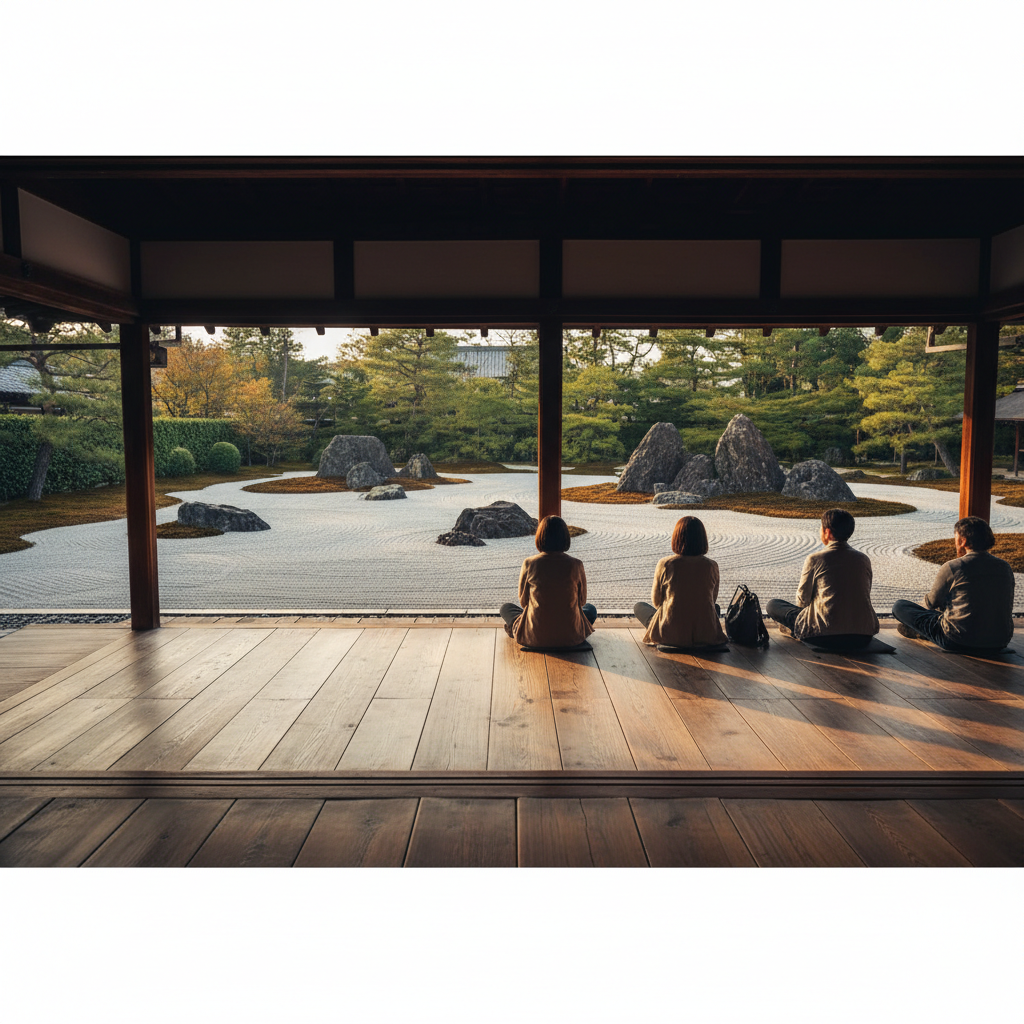
Practical planning: how to build a “Zen” garden day without overstuffing it
Most calm itineraries fail in the same place, you schedule too many “nice” things back-to-back, then arrive tired and impatient. A garden needs margin.
A simple half-day template (works in most cities)
- Arrive within 30 minutes of opening, walk the first loop without photos, let your eyes adjust.
- Pick one viewing spot and sit for 10–15 minutes, even if it feels awkward at first.
- Do a second, shorter loop with photos, details like stones, water edges, lanterns.
- Leave before you feel “done,” then get tea or a light lunch nearby.
Timing and transit tips (small but high-impact)
- Morning beats mid-day for quieter paths and softer light in many locations.
- Keep transit simple: one garden near your hotel beats the “top” garden across town if it adds stress.
- If rain is light, consider going anyway, gardens can feel more intimate, just watch footing.
According to the U.S. National Park Service (NPS), staying on designated paths helps protect landscapes and prevents erosion, the same principle applies in many formal gardens even if they look sturdy.
Etiquette and small mistakes that ruin the vibe (for you and others)
You don’t need to be perfect, but a few choices change the experience quickly, especially in quieter spaces.
- Lower your voice more than you think you need, sound carries across gravel and water.
- Don’t step into moss, even “just for a photo,” it damages easily and many gardens take restoration seriously.
- Tripods and drones are often restricted, check rules at the entrance rather than negotiating on the spot.
- If there’s a tea house, follow staff guidance, the flow is part of the experience.
- Skip phone calls inside, if you must take one, step out to a less crowded area.
One more thing people miss: don’t treat koi ponds like a petting zoo. Feeding rules vary, and ignoring signs creates friction fast.
When to get extra help (guided visits, accessibility, and safety)
If you want context on symbolism and layout, a guide can help, especially in temple gardens where the viewpoint is intentional. That said, some travelers prefer self-guided quiet, both are valid.
- Mobility needs: many gardens have uneven stones, slopes, and gravel. If accessibility matters, check official site details and consider calling ahead.
- Heat and hydration: summer humidity can sneak up. If you have medical concerns, it’s sensible to ask a clinician about travel limits and hydration strategy.
- Crowd anxiety: choose larger gardens, off-peak hours, or book timed-entry sites when available.
According to the Centers for Disease Control and Prevention (CDC), travelers benefit from basic preparation like staying hydrated and planning for weather exposure, which is easy to forget during long walking days.
Key takeaways for choosing japanese garden travel spots
- Pick by mood, not fame, you’ll remember how it felt more than the name.
- Go early, keep one garden per half-day, and leave buffer time for tea or a slow meal.
- Bring non-slip shoes and a light layer, gardens change with shade and weather.
- Respect paths and quiet norms, it protects the space and keeps the calm real.
If you want a trip that actually feels restorative, choose one or two japanese garden travel spots, then build the rest of the day around them instead of squeezing them between louder plans. Pick a morning, commit to slowing down, and let “doing less” be the point.
FAQ
- What are the best japanese garden travel spots if I only have one day in Kyoto?
Many people do well pairing one temple garden with one easy stroll garden, then stopping for tea. The best combo depends on where you stay and how much transit you tolerate. - Are Japanese gardens still worth visiting in winter?
Often yes, winter can feel quieter and more graphic, with stone, pine, and gravel textures standing out. Some plants look sparse, so set expectations for a subtler palette. - How early should I arrive to avoid crowds?
Right at opening tends to be the simplest answer. If that’s not possible, late afternoon can also work, though lighting and closing times vary by season. - Do I need to book tickets in advance for famous gardens?
Sometimes. A few high-demand places use reservations or timed entry. It’s smart to check official sites a few days ahead, especially during peak foliage seasons. - What should I wear to a garden visit?
Comfortable shoes matter more than anything, gravel and stone paths can tire feet. A light jacket helps because shaded areas can feel cooler than nearby streets. - Can kids enjoy japanese garden travel spots, or will they get bored?
Kids often enjoy koi ponds, bridges, and “spot the details” games, but long silent viewing sessions may be tough. Choose a stroll garden and keep the visit shorter. - Is it rude to take photos in temple gardens?
Usually photos are fine in many outdoor areas, but rules vary and some interiors prohibit photography. When in doubt, look for signage or ask staff briefly.
If you’re planning a Japan itinerary and want a calmer route, it can help to map japanese garden travel spots around your hotel neighborhoods, then choose visit times that match your energy, not just your calendar, a simple plan like that often feels more “Zen” than adding another must-see.