
Fjord travel destinations can feel overwhelming because the photos all look unreal, but your actual view depends on timing, weather, cruise vs. road access, and even which side of the fjord you stay on.
If you care most about scenery, it helps to think less in countries and more in “fjord styles” like steep-walled classics, glacier-fed arms, or fjords with towns and waterfalls built in. The good news is you can match the look you want with the trip pace you can handle.
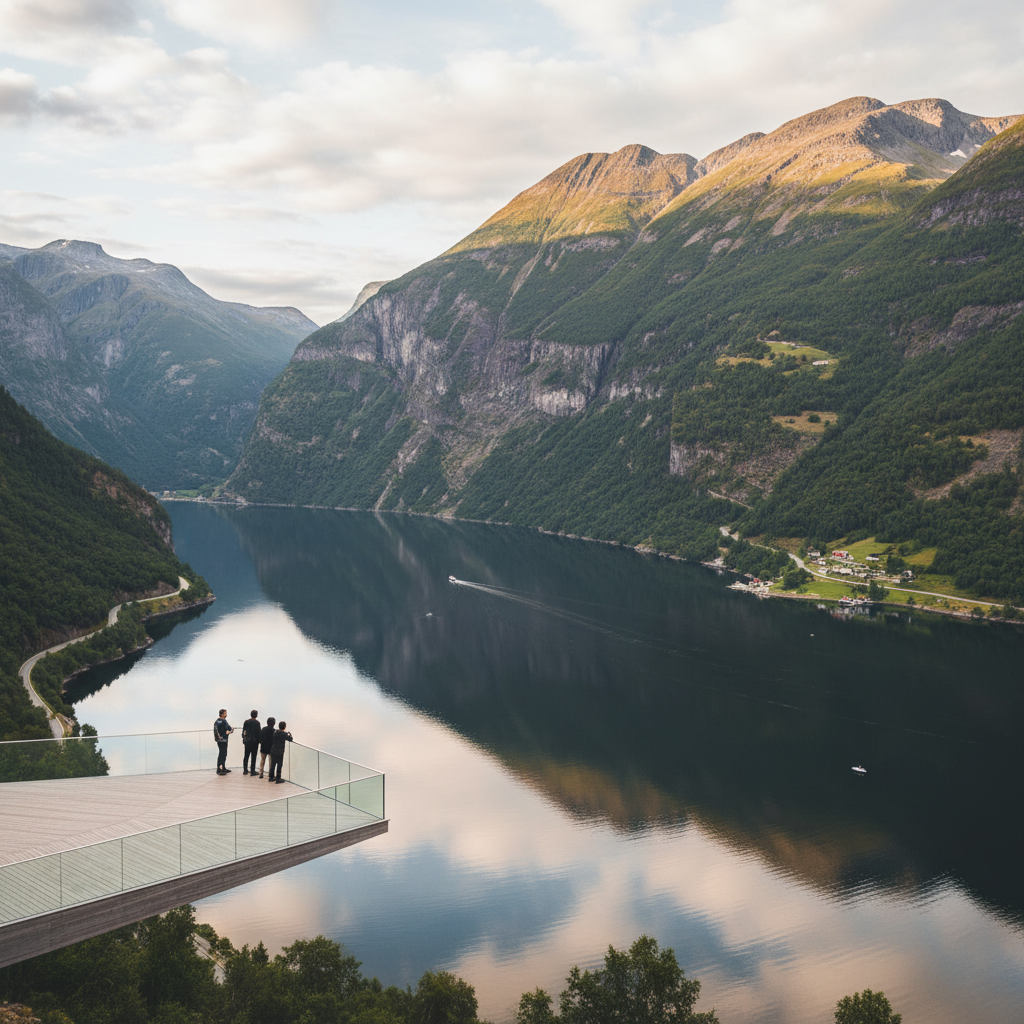
This guide spotlights scenic fjords in Norway, Iceland, New Zealand, North America, and Chile, plus a practical checklist and a planning table so you can choose quickly without getting trapped in endless tabs.
What makes a fjord “scenic” in real life
Most people picture dramatic cliffs and glassy water, and yes, that exists, but scenery quality usually comes from a few ingredients working together.
- Relief and scale: tall valley walls close to the water create that “wow” feeling, especially on narrow fjords.
- Waterfalls and runoff: after rain or spring melt, waterfalls multiply, but visibility can drop if storms stick around.
- Glaciers or ice influence: glacier-fed arms can look brighter and colder, sometimes with floating ice (conditions vary by season).
- Access and viewpoint density: a fjord can be stunning but frustrating if you only see it from one roadside pullout.
- Light and weather: low clouds can be moody and cinematic, or it can flatten everything, you’re basically choosing a risk profile.
According to NOAA, weather in coastal and mountainous areas can change quickly, which is exactly why flexible plans usually beat rigid day-by-day itineraries in fjord regions.
Quick comparison table: top fjord travel destinations for scenery
If you just want a shortlist, start here. Think of this as a “vibe map” rather than a definitive ranking.
| Destination | Signature scenery | Best-style trip | When it tends to shine |
|---|---|---|---|
| Geirangerfjord, Norway | Waterfalls, steep walls, classic fjord look | Road trip + ferry/cruise day | Late spring to summer (weather-dependent) |
| Nærøyfjord (near Flåm), Norway | Narrow “pinched” drama, close-up cliffs | Fjord cruise + train/drive combo | Summer and early fall for longer light |
| Milford Sound / Piopiotahi, New Zealand | Rain-fed waterfalls, misty peaks | Day cruise or overnight boat | Year-round, with waterfalls best after rain |
| Kenai Fjords, Alaska (USA) | Tidewater glaciers, wildlife, icy blue water | Boat tour + hiking | Summer peak season, shoulder season varies |
| Prince William Sound, Alaska (USA) | Glacier-dotted inlets, big water, solitude | Kayak + boat + flexible days | Summer for access, weather still changeable |
| Westfjords, Iceland | Remote fjord coastlines, cliffs, big skies | Self-drive loop (slow pace) | Summer for roads, early fall for quieter stays |
| Patagonian fjords, Chile | Glaciers + rugged channels, expedition feel | Multi-day cruise/expedition | Southern summer, still wind and rain risk |
Norway: the “classic postcard” fjords (and how to avoid the crowds)
Norway is still the reference point for fjord travel destinations, and for scenery it’s not subtle, it’s big, clean, and often very close to the road. The tradeoff is popularity, especially around the most famous names.
Geirangerfjord tends to deliver that iconic combination: sheer walls, multiple waterfalls, and viewpoints where the scale finally clicks. For many travelers, one cruise or ferry segment plus a couple of high viewpoints feels “complete” without overscheduling.
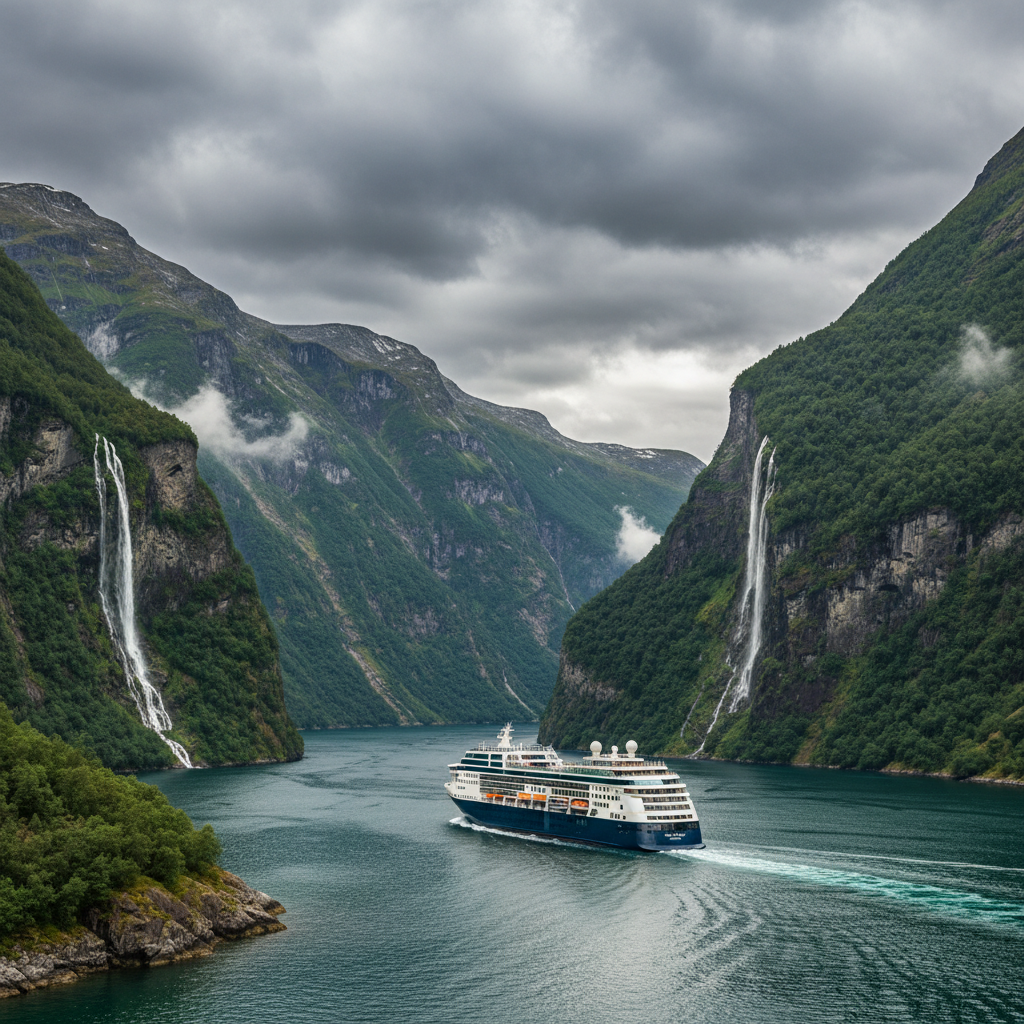
Nærøyfjord is the “narrow drama” option, the cliffs feel closer, and even a short cruise can look cinematic. Pairing it with a rail segment near Flåm can reduce driving stress, though it may raise costs.
If crowds worry you, the usual fix is not “skip Norway,” it’s shift the time of day. Early morning cruises, late-day viewpoints, and one overnight in a smaller village can change the feel a lot.
- Scenery-first move: book lodging with a water-facing view, even if the room itself is basic.
- Pacing move: plan fewer fjords, spend longer in each, you’ll get at least one good light window.
New Zealand: Milford Sound for waterfalls and moody light
Milford Sound / Piopiotahi is often the fjord that surprises people because “bad weather” can be great for the view. After rain, waterfalls pop up everywhere, and the mist can make the cliffs look taller.
For scenery, a standard day cruise works, but an overnight boat often yields quieter water and softer light, when the day-trippers leave. If you’re prone to motion sickness, bring meds and ask a clinician for guidance if you have medical concerns, the water can be choppy.
According to the New Zealand Department of Conservation (DOC), conditions in Fiordland can change rapidly, so it’s smart to treat any driving times as “best case” and keep buffer time.
Alaska: glacier-fed fjords without leaving the U.S.
If you want fjord travel destinations that feel genuinely wild, Alaska does it with ice, scale, and wildlife rather than villages and waterfall viewpoints. The big planning difference is that many scenic areas are water-accessed.
Kenai Fjords (Seward)
Kenai Fjords is a strong first pick because you can mix a boat day with a short hike, and you’ll likely see at least one tidewater glacier. The scenery reads “arctic” without requiring extreme logistics.
Prince William Sound (Whittier / Valdez access)
Prince William Sound often feels more expansive and less packaged, which some travelers love and others find tricky. If your goal is photography, you may want an extra day for weather and boat timing.
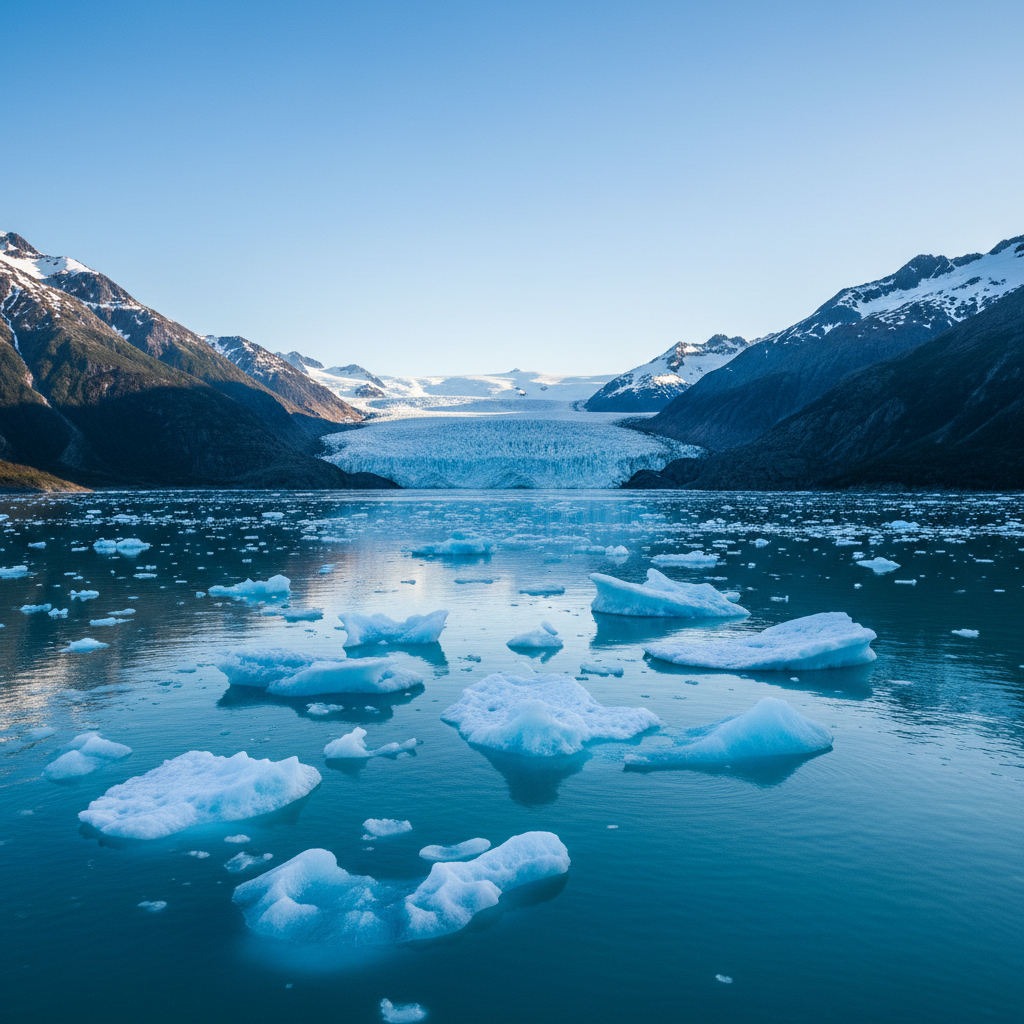
According to the U.S. National Park Service (NPS), viewing wildlife in Alaska should be done with appropriate distance and caution, so plan tours with guides who follow safety guidelines, especially if bears or marine mammals are a draw.
Iceland and Chile: remote fjords for travelers who like “edge-of-the-map” energy
Iceland’s Westfjords reward patient drivers. The scenery is less about one famous fjord and more about repeating headlands, quiet inlets, and cliff roads that open up suddenly. Road conditions and closures can vary by season, so double-check local updates and keep your daily mileage realistic.
Chile’s Patagonian fjords are a different commitment, many people experience them via multi-day cruises or expedition routes. You’re paying for access and expertise, and the scenery leans rugged: channels, glaciers, and shifting weather. If seasickness is an issue, it’s worth discussing prevention options with a medical professional before you go.
Self-check: which fjord trip style fits you?
This is the part many travelers skip, then wonder why the trip felt stressful. Pick the option that sounds like you on a normal week, not the version of you in a fantasy itinerary.
- I want effortless views: choose a fjord cruise or a destination with frequent viewpoints (Norway’s famous corridors).
- I want glaciers and wildlife: prioritize Alaska or Chile, and budget for boat time.
- I hate crowds: go shoulder season, stay two nights in one base, and aim for less-famous fjord regions.
- I get anxious driving cliffs: use trains/ferries where possible, or book guided day tours.
- I’m chasing photo light: build in one “weather spare” day, this matters more than adding one extra stop.
Practical planning: how to actually see the scenery (not just transit)
Scenery trips fail when days are built around getting from A to B instead of being in the landscape. A few small decisions fix most of that.
Build a simple “view stack” for each day
- One anchor view: a cruise, a major viewpoint, or a glacier front.
- One flexible add-on: short hike, kayak rental, or waterfall stop that you can drop if weather turns.
- One light window: sunrise or late evening, even 45 minutes can be the best scenery of the trip.
Key takeaways to keep it smooth
- Stay closer than you think: paying a bit more to sleep near the fjord often buys you calm mornings and fewer crowds.
- Don’t over-commit to forecasts: use them for safety, but expect microclimates in fjord terrain.
- Pack for spray and rain: a waterproof shell and lens cloth make a bigger difference than another itinerary stop.
- Choose your viewpoint style: boat-level drama vs. high lookout panoramas, they’re different experiences.
According to Visit Norway, many fjord areas are best explored with a mix of ferries, scenic roads, and short hikes, which matches what travelers often find on the ground: variety beats marathon driving.
Common mistakes that make fjords look “meh”
- Trying to do too many fjords: you spend prime light in the car, then arrive when clouds clamp down.
- Only doing mid-day stops: harsh light can flatten cliffs, while early and late hours bring texture.
- Booking the cheapest cruise time: it can be fine, but you may miss calm water or better light.
- Underestimating motion and weather: if you’re sensitive, plan meds, snacks, and seating, and ask a clinician if you have health conditions.
When it’s worth getting professional help
If your trip includes remote road networks, winter shoulder conditions, or multi-day sea routes, professional planning can be more than convenience, it can reduce risk. Guided tours also help when you want wildlife-focused fjord travel destinations and prefer operators who follow local safety standards.
It can also be worth talking to a travel advisor if you need a tight accessibility plan, or if you’re coordinating limited time with high-demand lodging, some fjord towns sell out early.
Conclusion: choose the fjord that matches your “scenery goal”
The best fjord views usually come from a simple match: pick the scenery type you want, choose a destination that delivers it reliably, then protect your time on the water or at viewpoints instead of burning it on transit.
If you do one thing this week, make it this: shortlist two fjord travel destinations, then plan each around one anchor experience and one flexible backup so weather can’t ruin the whole day.