
laundry bag travel dirty clothes problems usually show up fast: a damp shirt touches clean outfits, a sock goes missing in a hotel room, and suddenly your suitcase smells like yesterday’s workout.
The good news is you don’t need an elaborate system. You need a simple separation habit, the right bag type for your trip, and a quick routine you can repeat without thinking. That’s what this guide covers, with a few “real life” checks so you can pick what actually fits your travel style.
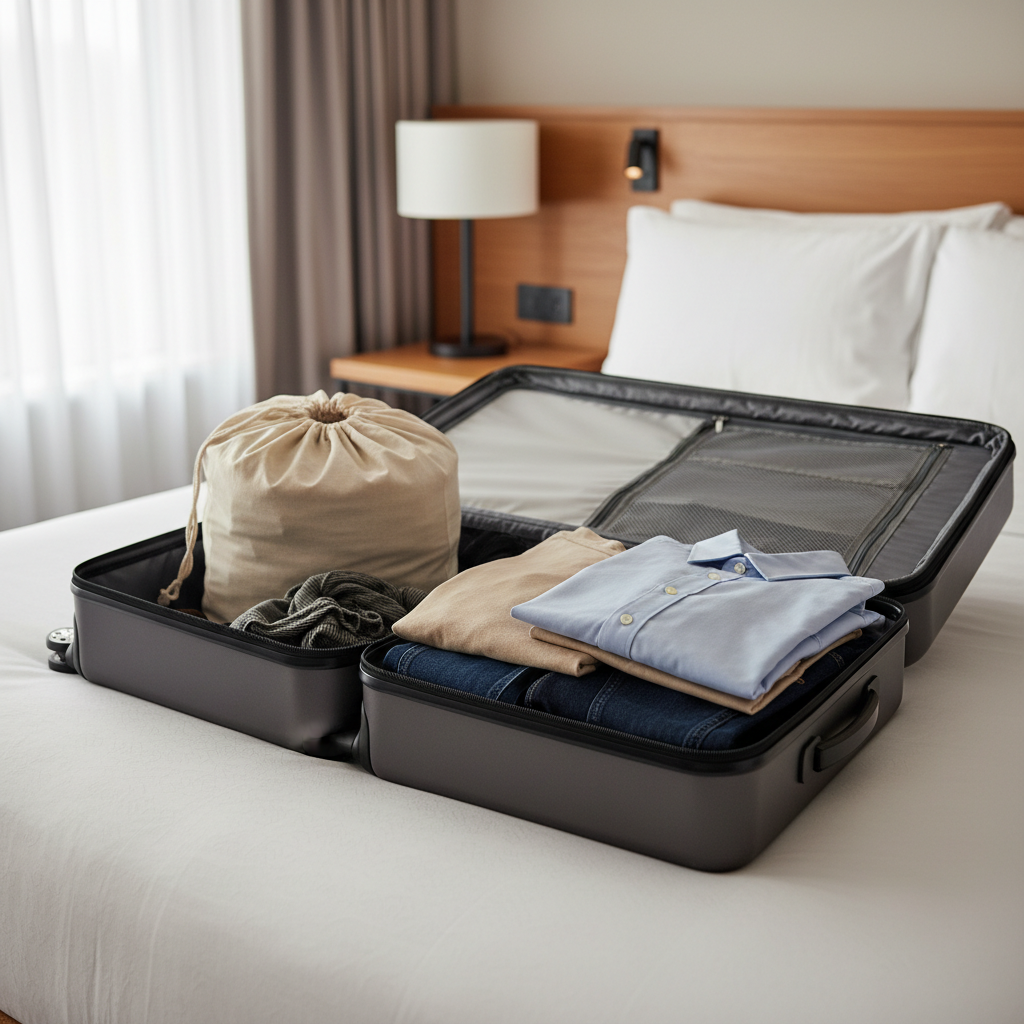
People often assume separation means “buy expensive organizers.” In practice, it’s more about choosing the right material and size, and deciding whether you need odor control, moisture control, or just a way to stop mixing worn items with clean ones.
Why separation matters more than you think
Separating worn clothing from clean pieces is not just about staying organized, it’s about avoiding a few common trip-killers.
- Odor transfer: Fabrics can pick up smells when packed tightly, especially athletic wear and socks.
- Moisture spread: Swimwear, rain-soaked layers, or even a lightly damp towel can make everything feel “off.”
- Cross-contamination: Dirt, sand, makeup, and deodorant marks tend to migrate in a suitcase.
- Time waste: Hunting for “that one clean tee” in a pile of worn clothes wastes energy when you’re jet-lagged.
According to CDC guidance on hand hygiene and general cleanliness, routine cleaning practices reduce the spread of germs in everyday settings. Travel is full of shared surfaces, so keeping worn items contained is a reasonable extra layer of hygiene, especially if someone in your group gets sick or you’re moving between multiple hotels.
Pick the right laundry bag type for your trip
Not every travel laundry bag solves the same problem. Choose based on what you’re trying to prevent: smell, leaks, or suitcase chaos.
Quick comparison table
| Bag type | Best for | Tradeoffs |
|---|---|---|
| Breathable mesh | Everyday trips, easy airflow, quick sorting | Odor can escape, not great for damp items |
| Water-resistant pouch (nylon/TPU-lined) | Swimwear, sweaty gym gear, leak prevention | Can trap odor if you seal it too long |
| Cotton drawstring | Light packing, simple separation, hotel laundry runs | Bulky when full, absorbs moisture |
| Compression laundry organizer | Maximizing space, longer trips, tight carry-ons | Can press odor into fabric; not for damp items |
| Disposable liner (backup) | Emergency separation, messy situations | Not durable, sustainability downside |
If you’re aiming for a “one-bag” setup, a breathable bag plus a smaller water-resistant pouch is often enough. That combo covers both the dry-worn pile and the “do not touch my clean clothes” wet items.
A fast self-check: what kind of packer are you?
If you’ve ever searched for laundry bag travel dirty clothes tips and felt overwhelmed, it’s usually because advice ignores how you actually travel. Use this quick checklist to decide your setup.
- You need odor control if you pack workout gear, re-wear jeans, or travel in hot climates.
- You need moisture control if you bring swimwear, do outdoor activities, or wash items in the sink.
- You need strict separation if you have sensitive skin, allergies, baby/kid clothes, or uniforms.
- You need speed if you hop cities, change hotels often, or unpack every night.
- You need laundry-ready transport if you plan to use hotel laundry or a laundromat mid-trip.
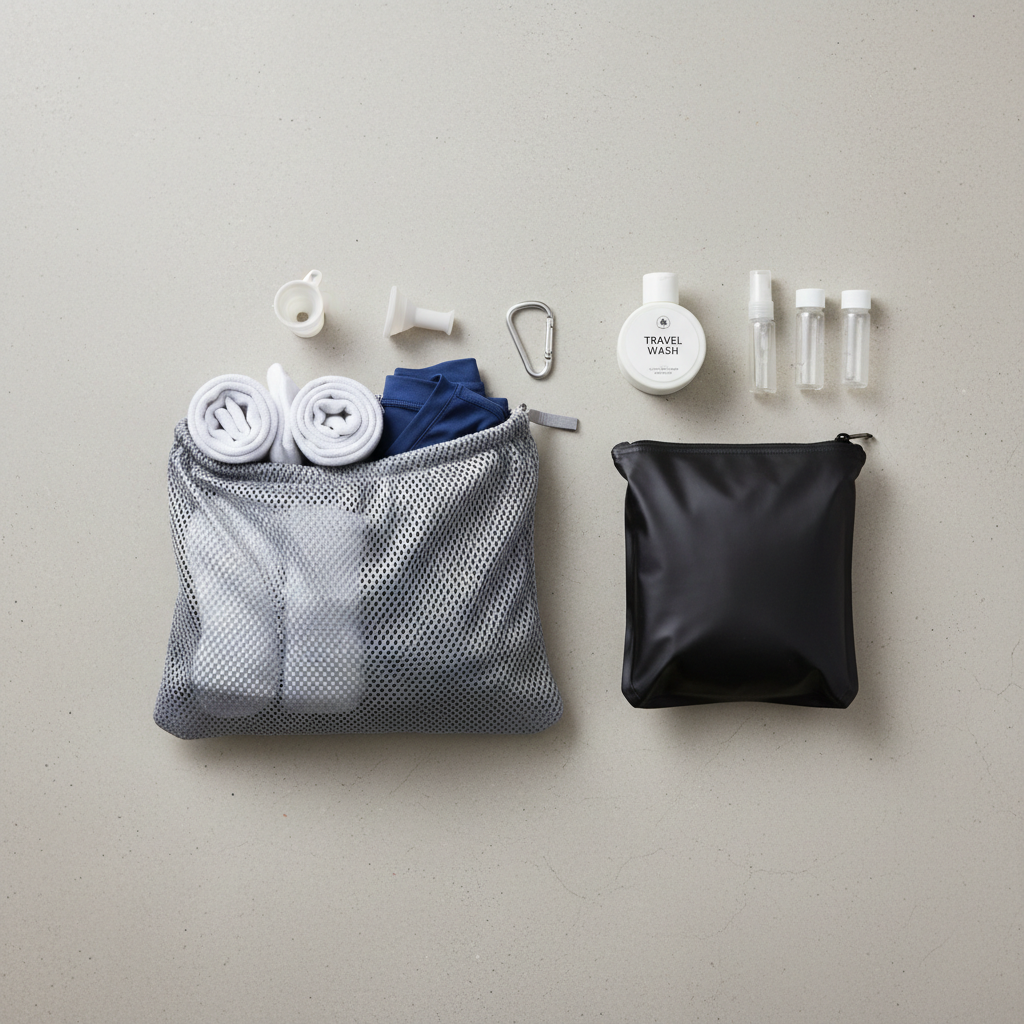
A small but useful rule: if your trip includes sweat or water, plan for two “dirty” zones, one for dry-worn clothes and one for damp items. Mixing those two is where smell and mildew risk tends to spike.
How to pack: a simple separation system that stays consistent
This is the part that looks easy and still goes wrong, mostly because people don’t decide where dirty items go in the moment. Make it automatic.
Step-by-step packing workflow
- Assign one location: pick a single corner of your suitcase for worn clothes, every time.
- Use one bag for dry-worn items: mesh or light fabric works well for shirts, socks, underwear.
- Add a “wet pouch” rule: anything damp goes into a water-resistant pouch, no exceptions.
- Do a 30-second nightly reset: zip the bags, shake out clean stacks, and you’re done.
If you’re traveling with family, color-coding saves arguments. One bag per person, or at least one bag per category, keeps “who owns this sock” from becoming the trip’s main storyline.
Odor and moisture: what actually helps (and what doesn’t)
Most odor issues come from trapped moisture and bacteria on synthetic fabrics. You don’t need to sterilize anything, but you do want to avoid sealing sweaty clothes while they’re still wet.
Practical odor-control habits
- Air out athletic wear for 10–20 minutes before it goes into a sealed pouch.
- Don’t “marinate” damp items overnight in an airtight bag unless you have no alternative.
- Separate shoes in their own shoe bag, not in the same laundry bag.
- Use a breathable bag when moisture is not the issue, airflow can reduce stink buildup.
For fragrances and “deodorizing” products, be cautious. Some people react to scented inserts, and strong fragrances can cling to clean clothes. If you have asthma, allergies, or sensitive skin, it may be worth choosing unscented options or checking with a clinician.
According to EPA guidance on indoor air quality, fragrances and certain chemicals can affect sensitive individuals. Travel gear sits close to your face in a small hotel room, so “less intense” often feels better.
Real-world scenarios (and the best bag choice for each)
Here’s where a laundry bag travel dirty clothes setup becomes less theoretical. Pick the scenario that matches your trip, then copy the system.
Weekend city trip (2–3 days)
- What to use: one medium mesh bag
- Why: fast access, enough airflow, minimal bulk
Beach vacation
- What to use: one mesh bag + one water-resistant pouch
- Why: swimsuits stay contained, dry-worn clothes stay separate
Business travel
- What to use: structured laundry organizer or drawstring bag
- Why: keeps dress shirts away from worn undershirts, reduces wrinkling chaos
Road trip with kids
- What to use: one bag per person, plus a “mess bag” for spills
- Why: you’ll have surprise messes, and sorting later is a sanity saver
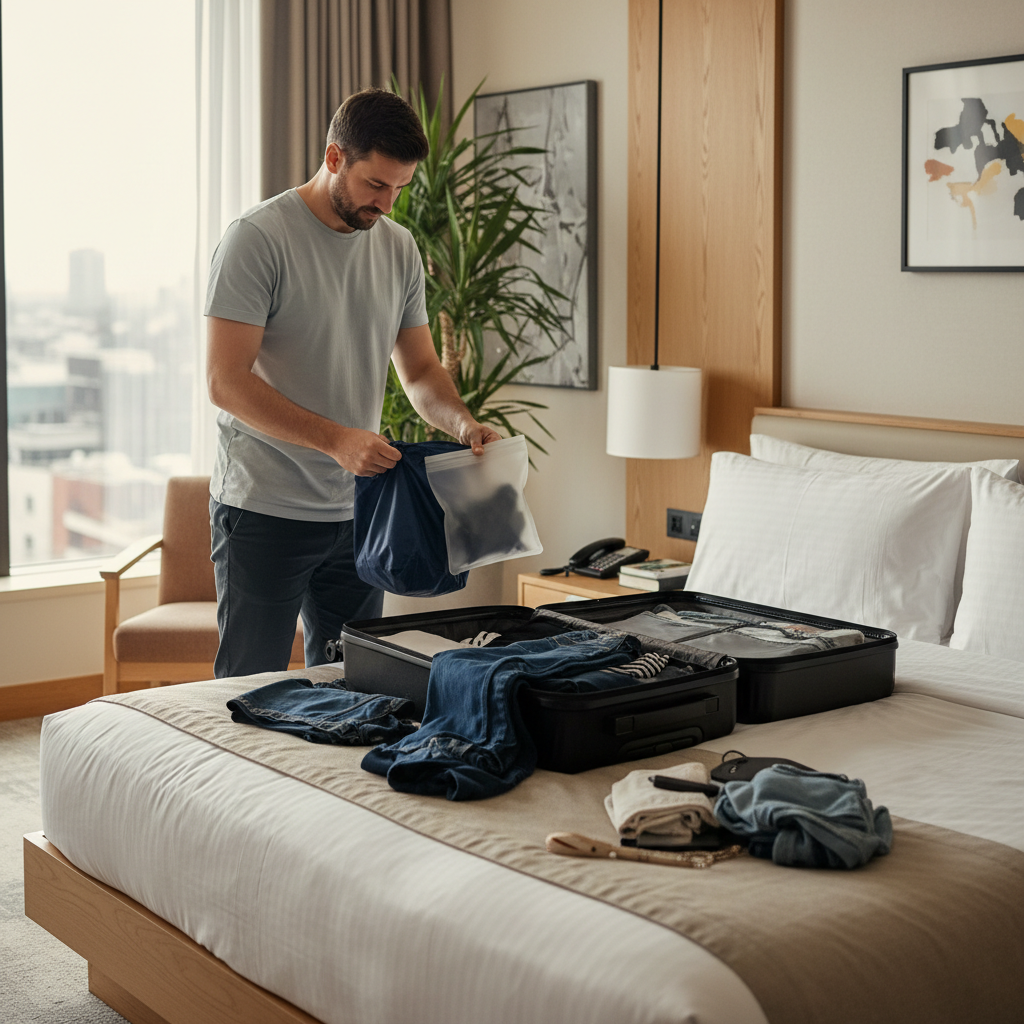
If you’re changing locations every night, lean toward a bag that opens wide and closes fast. Tiny drawstrings that knot easily look cute, then ruin your patience on day three.
Common mistakes that make dirty clothes separation fail
- Using one airtight bag for everything: it prevents leaks, but it can trap moisture and intensify smell.
- Putting “almost dry” items with dry laundry: “almost” is how mildew starts in warm climates.
- Overfilling the bag: seams strain, zippers warp, and your system breaks mid-trip.
- Forgetting the exit plan: a bag helps, but you still need a laundry day or a wash-and-rewear strategy.
Key takeaway: separation works when it’s easy enough to follow when you’re tired. If your system needs “perfect behavior,” it won’t survive real travel.
When it’s worth getting extra help or being more cautious
If you travel with medical needs, shared caregiving situations, or frequent skin irritation, stricter separation can be useful. For example, keeping undergarments separate from outer layers, or using a dedicated bag for items that contact sensitive skin.
If you’re dealing with persistent skin rashes, recurring infections, or severe fragrance sensitivity, it’s smart to ask a healthcare professional what hygiene steps make sense for your situation. Travel routines vary, and medical guidance should match your personal risk factors.
Conclusion: a clean suitcase is mostly a repeatable habit
Keeping worn items contained is less about fancy gear and more about a small routine you stick with. Choose a bag that matches your trip, keep damp items in their own zone, and do a quick reset each night so clean outfits stay clean.
If you want one action to take today, pick one primary laundry bag and decide where it lives in your suitcase, then follow that rule on your next trip.
FAQ
What size laundry bag works best for carry-on travel?
For most carry-ons, a medium bag that fits about 2–4 outfits is practical. If it takes over half your suitcase when empty, it’s usually too big for short trips.
Is mesh or waterproof better for separating dirty clothes while traveling?
Mesh is better for dry-worn clothing because airflow helps. Waterproof is better for damp items or leak risk, but it can trap odor if you seal sweaty clothes for long periods.
How do I pack sweaty gym clothes without stinking up my suitcase?
Let them air out briefly if you can, then place them in a dedicated pouch. If you must seal them immediately, try to wash or rinse them sooner rather than later.
Can I put dirty laundry in the same packing cube as clean clothes?
It works only if the cube has a true divider and you’re disciplined about which side stays clean. Many people find a dedicated laundry bag is simpler and less error-prone.
What’s a good system for family travel with lots of small items?
One bag per person tends to sort itself naturally. If that feels like too many bags, do one shared bag plus a small “socks and underwear” pouch so tiny pieces don’t disappear.
How often should I do laundry on a longer trip?
Many travelers aim for a midpoint wash, but it depends on climate, activity level, and access to machines. If your dirty bag fills faster than expected, that’s your cue to plan a wash day.
Do I need antibacterial sprays for travel laundry separation?
Usually not. Good separation and drying habits handle most issues. If you’re considering chemical sprays due to health concerns, it may be worth checking safety guidance and, if relevant, asking a professional.
If you’re trying to dial in a laundry bag travel dirty clothes routine and want a more “set it and forget it” packing setup, a two-bag approach often feels easiest: one breathable bag for dry-worn items, one water-resistant pouch for anything damp or messy, then you stop negotiating with your suitcase every night.