
Local market travel guide is what you want when you love the idea of markets, but hate the reality of overpriced “authentic” items, confusing stalls, and the worry of eating the wrong thing. The good news is you can get the best souvenirs and food without turning it into a stressful scavenger hunt.
This guide focuses on the decisions that actually matter: how to spot a market worth your time, what to buy (and skip), how to handle money and bargaining without feeling awkward, and how to eat confidently when hygiene is a question mark.
And yes, we’ll talk about the stuff no one wants to admit, like counterfeit crafts, spice powders that leak in your suitcase, or why that “handmade” tag sometimes means “hand-finished, somewhere else.”
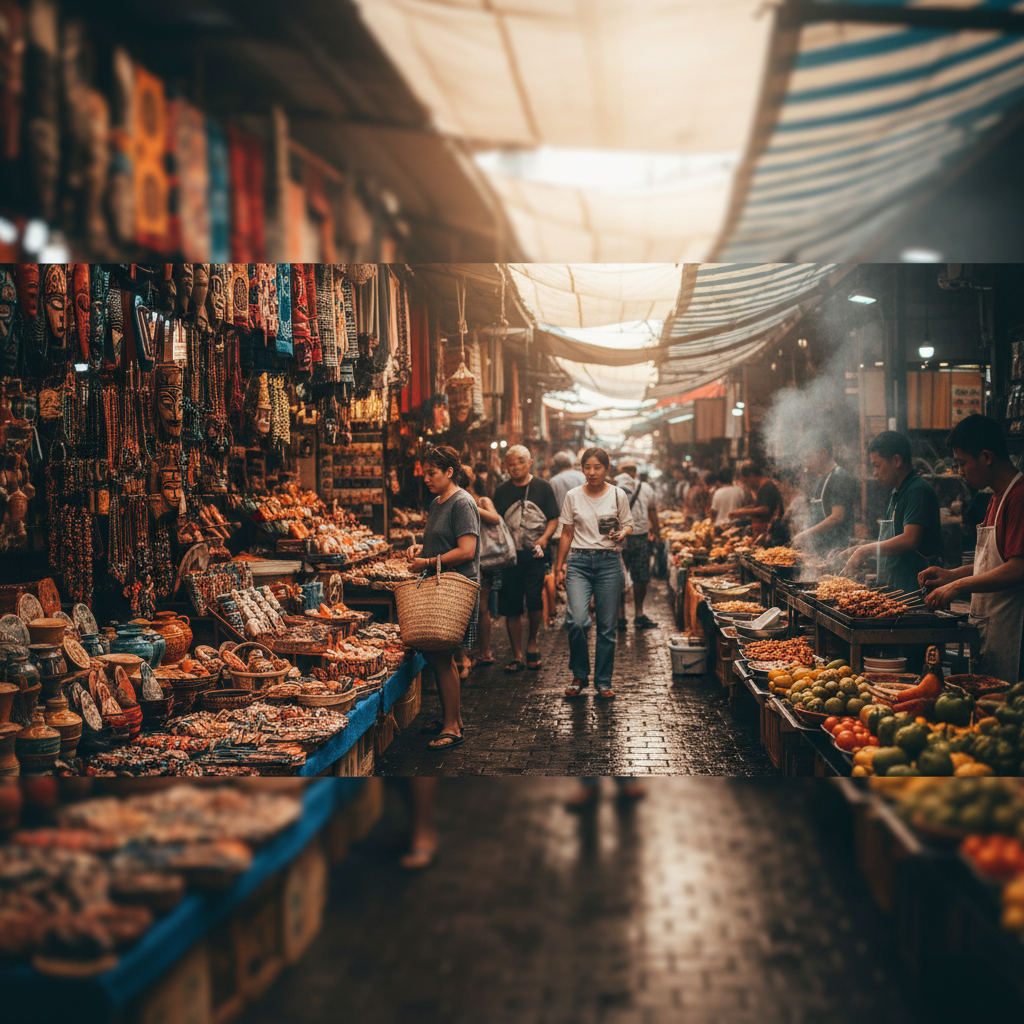
Pick the right market (it changes everything)
A lot of souvenir regret starts with the wrong market. Tourist markets can still be fun, but if your goal is better value and more local flavor, timing and location usually matter more than your bargaining skills.
Signs a market is worth your time
- Mixed shoppers: locals buying groceries alongside visitors browsing crafts usually signals more realistic pricing.
- Perishable food presence: if people buy fresh produce, fish, or bread there, the market tends to have regular turnover and standards that locals tolerate.
- Specialization: markets known for textiles, ceramics, spices, or antiques often have deeper selection than “everything markets.”
- Clear organization: sections by product type, visible price tags, and a defined entrance can mean less chaos and fewer surprise markups.
Common market types and what they’re best for
| Market type | Usually best for | Watch-outs |
|---|---|---|
| Morning produce market | Snacks, fruit, spices, local pantry items | Early closing times, limited souvenirs |
| Night market | Street food, casual gifts, inexpensive items | Crowds, impulse buys, lower craftsmanship |
| Craft/artisan market | Higher-quality souvenirs, handmade goods | Higher prices, “handmade” claims vary |
| Flea/antique market | One-of-a-kind finds, vintage textiles | Authenticity, fragile items, no returns |
According to the U.S. Department of State, travelers should stay aware of surroundings in crowded places and keep valuables secure, which applies to markets where distractions are part of the environment.
What souvenirs are actually worth buying (and what to skip)
In many destinations, the most satisfying souvenirs are small, practical, and tied to everyday culture, not the loudest “I was here” object. This is where a local market travel guide helps you avoid buying the same mass-produced trinket you could find at the airport.
Souvenirs that travel well
- Textiles: scarves, tea towels, or small woven pieces are packable and often region-specific.
- Food-grade pantry items: spice blends, tea, dried chilies, local candy, or packaged coffee.
- Small ceramics: cups, bowls, or tiles if the seller can wrap them properly.
- Paper goods: prints, postcards by local artists, or notebooks with local design motifs.
Items that tend to disappoint
- “Antiques” without provenance: if the story sounds rehearsed, assume it’s a reproduction until proven otherwise.
- Leaky oils and sauces: amazing flavor, terrible suitcase behavior unless sealed and double-bagged.
- Oversized decor: it feels like a statement in the stall, then becomes a shipping problem.
- Anything you can’t explain: if you don’t know how you’ll use it at home, it’s likely clutter later.
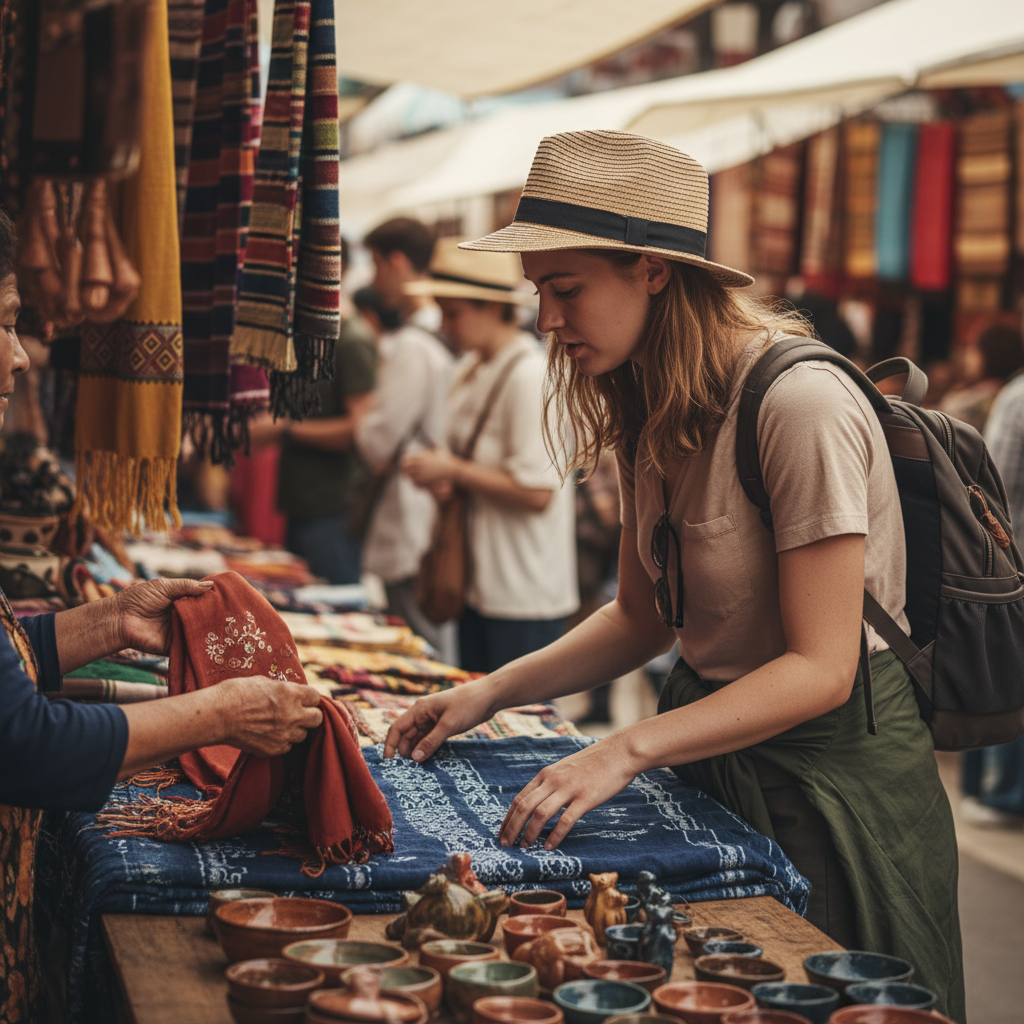
A quick self-check before you buy
This takes 20 seconds and saves you from most “why did I buy this?” moments. If you’re traveling with family or juggling multiple stops, it’s especially helpful.
- Origin check: can the seller explain where it’s made and what materials are used, without getting defensive?
- Finish check: seams straight, paint even, no strong chemical smell, no loose parts.
- Pack check: can it survive your bag, your flight, and one accidental drop?
- Home check: do you already know where it will live or how it will be used?
- Price check: does the price still feel fair after the excitement fades?
If you fail two or more checks, it’s usually a “walk away, loop back later” situation. Markets reward patience more than speed.
How to eat market food with fewer regrets
Street food is often the best part of a market, but it’s also where travelers can get anxious. You don’t need to be paranoid, you just need a few grounded signals that reduce risk. According to the Centers for Disease Control and Prevention (CDC), choosing food that is cooked and served hot and avoiding raw items in some contexts can lower the chance of travel-related stomach illness.
Practical “green flags” at food stalls
- High turnover: a line of locals is less about hype and more about freshness.
- Heat in front of you: grilling, steaming, frying, or boiling on demand is a good sign.
- Simple menu: fewer items often means better execution and less sitting around.
- Clean working rhythm: separate hands or utensils for money vs food, quick wipe-downs, covered ingredients when possible.
“Yellow flags” that suggest choosing a different stall
- Pre-cooked food sitting at room temperature for unknown periods
- Melting dairy-based sauces in the heat, especially if refrigeration seems weak
- Ice of unknown source in places where water safety is uncertain
If you have medical conditions, food allergies, or a sensitive stomach, it may be smart to check with a clinician before travel and stick to safer options during the trip.
Money, bargaining, and not feeling weird about it
Prices at markets can be flexible, but the “right” approach depends on the country, the neighborhood, and even the type of product. In some places, firm bargaining is expected; in others, it can feel disrespectful when the item is clearly handcrafted.
What usually works (without turning it into a showdown)
- Start friendly: a greeting and one sincere question about the item changes the tone fast.
- Ask for a better price, not a miracle: small reductions are common; huge cuts often mean you’re buying low-quality goods.
- Bundle politely: “If I buy two, can you do X?” is often easier than haggling on one item.
- Use exact change when possible: it speeds things up and reduces awkward cash moments.
One more reality check: if you’re negotiating over a few dollars and the seller is clearly a small operator, it may be worth paying a fair price and moving on. Saving money feels good, but so does being decent.

Pack, declare, and get it home safely
Even a great purchase can turn into a loss if it breaks, leaks, or gets confiscated. A reliable local market travel guide includes the boring part: logistics.
Packaging checklist (simple but effective)
- For ceramics: wrap each piece, fill empty space so it can’t rattle, and place it in the center of your bag.
- For spices: keep in original sealed packaging when possible, then add a zip bag in case of punctures.
- For liquids: tape the cap, put it in two bags, and keep it away from clothes you love.
- For textiles: pack in a dry bag or plastic liner if you expect rain or humidity.
Customs and restricted items (don’t guess)
Rules vary by destination and what you’re bringing back. According to U.S. Customs and Border Protection (CBP), travelers should declare items they bring into the U.S., and some foods and agricultural products can face restrictions. If you’re unsure about meat products, fresh fruit, plants, or certain animal-based goods, check CBP guidance before you shop.
Key takeaways you can use today
- Choose the market first, it impacts price, quality, and food safety more than any single trick.
- Buy small and specific, you’ll get more meaning and fewer packing problems.
- Eat where food moves fast, hot and freshly cooked beats pretty displays.
- Don’t bargain on autopilot, match the style to the product and context.
- Plan the trip home, sealing and declaring matter as much as buying.
You don’t need to “win” a market, you just need a few solid habits. Pick one market, take a slow lap, buy the thing you’ll still like next week, and eat the dish with the longest local line.
If you’re planning your next stop, save a short shopping list in your phone and set a budget before you enter, it keeps the fun part fun.
FAQ
What should a local market travel guide include for first-timers?
It should cover how to choose markets, what souvenirs hold value, basic bargaining norms, and food safety signals. First-timers usually need decision rules more than long lists of “must-buys.”
How do I know if a souvenir is truly handmade?
You often can’t know with certainty on the spot, but you can ask about materials, process, and where it’s made. In many cases, inconsistencies in finish or a vague origin story can be a clue it’s mass-produced.
Is bargaining expected at local markets?
Sometimes yes, sometimes no, and it can vary within the same city. If there are price tags and the vibe feels fixed-price, light negotiation or bundling tends to land better than aggressive haggling.
What’s the safest street food choice at a market?
Food cooked to order and served hot is usually the safer bet. Stalls with high turnover and a straightforward menu also reduce the chance food sits too long.
Can I bring spices and snacks back to the United States?
Many packaged dry goods are allowed, but restrictions can apply depending on ingredients and form. It’s wise to declare everything and check CBP guidance if you’re buying agricultural products.
How can I avoid pickpocketing in crowded markets?
Keep your phone and wallet in front pockets or a crossbody bag worn in front, and avoid setting items on counters while browsing. Crowds create easy distraction moments, so slowing down helps.
What if I have food allergies and want to try market food?
Consider carrying allergy translation cards and sticking to simpler dishes with visible ingredients. For serious allergies, it may be safest to consult a medical professional before travel and be conservative on the street-food side.
If you’re planning a trip and want a more tailored local market travel guide for your destination, it can help to map one “souvenir market” and one “food market,” then build a short buy list around what you can actually pack and declare easily.