
Hidden gem travel spots are what you look for when the “must-see” list starts feeling like a line you wait in, not a trip you enjoy. If you’ve ever opened your maps app and realized every dot has the same photos, same captions, same crowds, you’re not alone.
The upside is you don’t need to gamble on some random place “no one knows about.” The real win is finding destinations that feel personal, are realistically reachable, and still have the infrastructure to make your trip smooth.
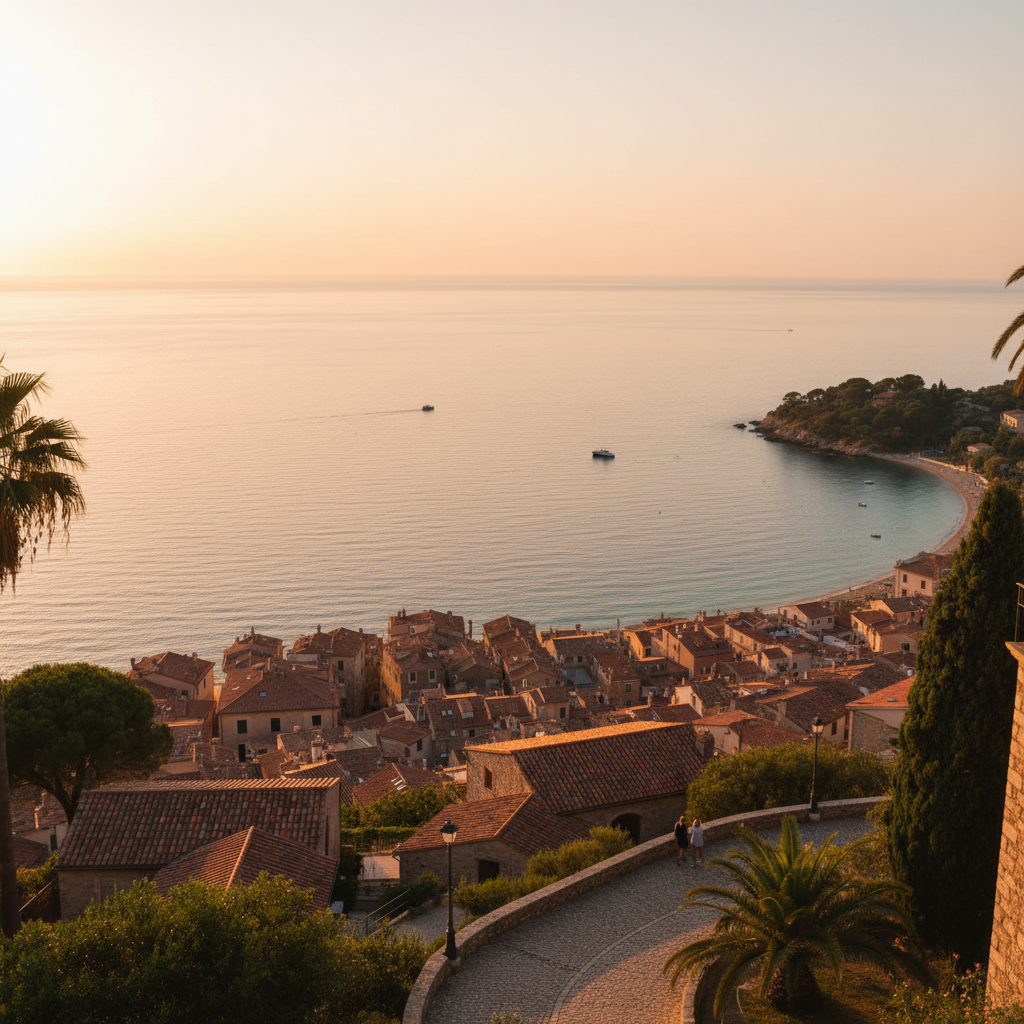
This guide focuses on underrated picks that often fly under the radar, plus a practical way to choose based on season, comfort level, and travel style. I’ll also call out the common “hidden gem” traps, because yes, they exist.
What actually makes a place a “hidden gem” (and what doesn’t)
A true hidden gem usually sits in a sweet spot: it has something distinct, but it hasn’t been scaled into a mass-tourism machine. It might be one town over from a famous destination, or it might be a place locals love that doesn’t translate into viral content.
- Low friction: you can get there without a multi-leg logistics marathon.
- High character: scenery, food, history, or outdoor access feels specific, not generic.
- Right-sized tourism: enough services to be comfortable, not so much that it feels like a theme park.
What it usually is not: a place with zero visitors, no lodging, no cell coverage, and “just trust me” directions. If that’s your thing, great, but most travelers asking for hidden gem travel spots want calm, not chaos.
Quick picks table: underrated destinations by travel vibe
If you want a fast shortlist, use this table like a filter. It’s not a ranking, it’s a “pick your mood” cheat sheet.
| Destination | Best for | When it shines | Heads-up |
|---|---|---|---|
| Azores, Portugal | Volcanic landscapes, hot springs, whale watching | Late spring to early fall | Weather changes fast, plan flexible days |
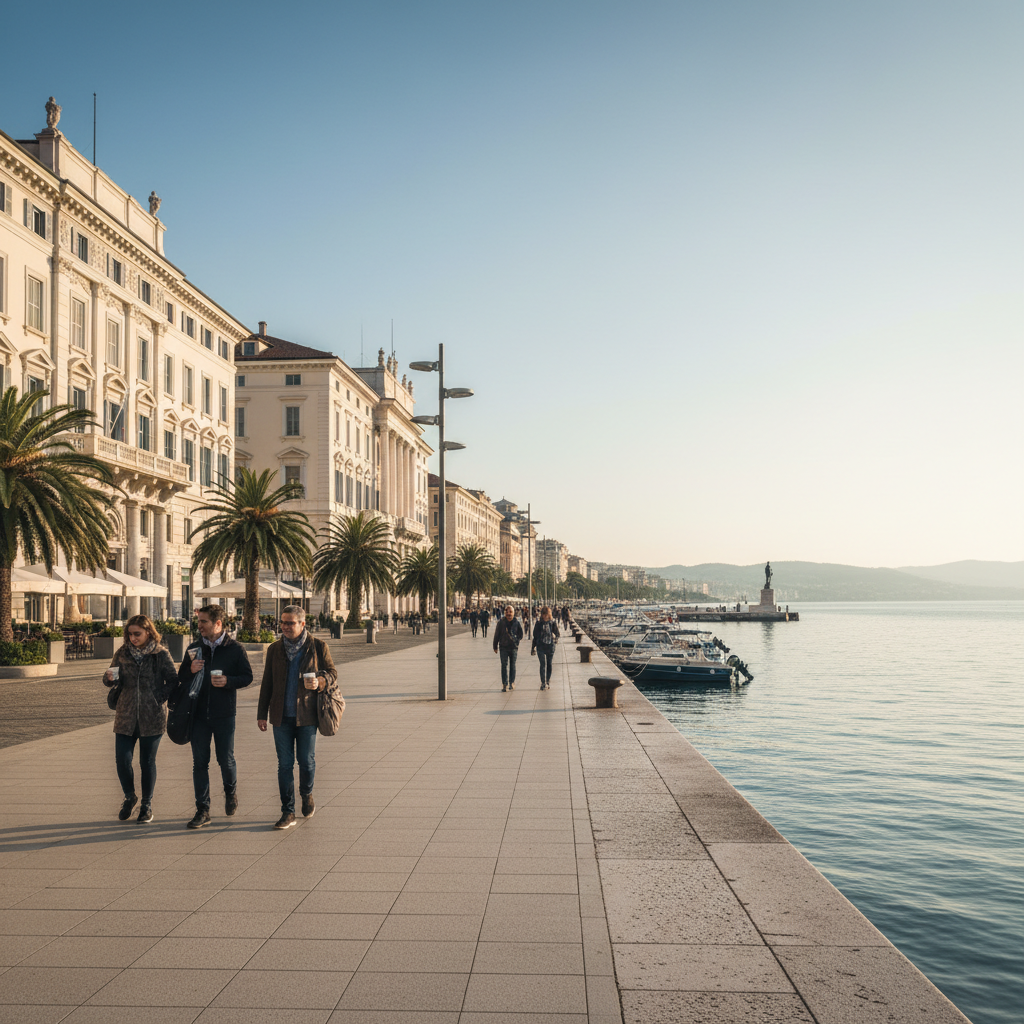
| Trieste, Italy | Cafe culture, coastline, Central Europe vibe | Shoulder seasons | Less “big sight” energy, more slow travel |
| Alentejo, Portugal | Wine towns, cork forests, empty beaches | Spring, early fall | Car helps a lot outside main towns |
| Salta & Cafayate, Argentina | High desert scenery, vineyards, road trips | Dry season varies, check monthly patterns | Altitude can affect some travelers |
| Riga, Latvia | Art Nouveau, affordable city break, day trips | Late spring to summer | Short winter days if you visit off-season |
| Raja Ampat (select areas), Indonesia | Diving, marine life, remote beauty | Seasonal, research island-by-island | Remote, higher costs, plan conservatively |
Underrated hidden gem travel spots worth building a trip around
These picks lean “less obvious” for many U.S. travelers, but they’re not impractical. They’re the kind of places where you can still have a great meal at 9pm without needing a spreadsheet.
Azores, Portugal (São Miguel as a first stop)
If you like nature with a soft landing, the Azores often deliver. Think crater lakes, thermal pools, coastal drives, and a pace that feels gentle instead of staged. For hidden gem travel spots in Europe, this is one of the easier “wow” options.
- Do: Sete Cidades viewpoints, Furnas geothermal area, tea plantations
- Eat: local seafood, cozido cooked with geothermal heat
- Plan: 4–6 days if you want hikes plus downtime
Trieste, Italy (Italy without the “big-tour” pressure)
Trieste is that rare city where you can do museums, waterfront walks, and serious coffee culture without the constant “book timed-entry now” feeling. It’s also a great base for day trips to the Karst region and nearby coastal towns.
- Do: Miramare Castle, canals and cafes, hilltop viewpoints
- Good for: travelers who like cities, but don’t want Rome-level intensity
Alentejo, Portugal (wine country energy, fewer crowds)
Alentejo is for people who want space. Whitewashed towns, cork oaks, local wineries, and a coastline that feels surprisingly empty compared with better-known beach areas.
- Do: Évora for history, small winery tastings, drive toward the coast for beaches
- Plan: base in one town, then do day loops by car
Salta & Cafayate, Argentina (dramatic landscapes, big sky)
If “scenery per mile” matters to you, Salta and the route to Cafayate can feel unreal. The region mixes high desert formations with vineyards and small towns that still feel lived-in, not curated.
- Do: route through Quebrada de las Conchas, winery stops around Cafayate
- Know: some areas sit at higher elevation, so take it easy if you’re sensitive
Riga, Latvia (architecture + affordable base)
Riga works well when you want a European city break that still feels like good value. It’s walkable, photogenic, and set up for easy day trips.
- Do: Art Nouveau district walks, Central Market, short trips to coastal areas
- Good for: long weekends, shoulder-season travel
Raja Ampat, Indonesia (for experienced planners, not impulsive trips)
This is one of those hidden gem travel spots that rewards preparation. The marine life can be spectacular, but it’s remote, and costs can climb. If you plan it well, it can feel like you’re far from everything in the best way.
- Do: choose one area and build around it, rather than over-hopping islands
- Plan: buffers for boats, weather, and limited services
A simple self-check: which “hidden gem” fits your trip?
Before you pick a destination, get honest about what you’re optimizing for. Most disappointments come from a mismatch, not from the place itself.
- Energy level: Do you want slow days, or a packed itinerary?
- Transport tolerance: Are you fine with driving, ferries, or long transfers?
- Comfort baseline: Boutique hotels and cafes, or rustic guesthouses?
- Weather flexibility: Can you enjoy a trip even if two days get rainy or windy?
- Food expectations: Are you adventurous, or do you need familiar options nearby?
If you want “easy-mode,” favor places with strong infrastructure like Riga or Trieste. If you want “story-mode,” aim for regions like Alentejo or Salta where the magic comes from moving slowly through a landscape.
How to plan hidden gem travel spots without overcomplicating it
The planning trick is to keep one anchor and leave room for discovery. Trying to collect five hidden gems in eight days turns the whole thing into transit.
Step-by-step approach (that still leaves room for spontaneity)
- Pick one base for 3–5 nights, then add a second base only if the transfer is easy.
- Identify two “non-negotiables” (a hike, a beach day, a museum) and protect them.
- Pre-book only what sells out: limited boat trips, popular thermal pools, a specific winery tour.
- Save 30–40% of daylight for wandering, viewpoints, markets, and low-stakes detours.
According to U.S. Department of State, travelers should review destination-specific advisories and local conditions before international trips. That’s not about fear, it’s about fewer surprises.

Common mistakes that ruin an otherwise great “hidden gem” trip
A lot of “hidden gem” frustration is predictable. These are the patterns that show up again and again.
- Chasing secrecy over quality: if the only selling point is “no one goes,” that’s a red flag.
- Underestimating distance: scenic regions look close on a map, but roads can be slow.
- Ignoring seasonality: shoulder season can be perfect, or it can mean closures and thin schedules.
- Overstuffing the itinerary: a hidden gem works because you have time to feel it.
- Skipping reservations entirely: smaller places may have fewer rooms and fewer tours, so “walk-in” sometimes fails.
Also, don’t confuse “quiet” with “safe” or “unsafe.” Safety varies by neighborhood and situation, and it’s smart to check current guidance, ask your lodging host, and avoid risky late-night routines if you’re unsure.
When it’s worth getting expert help (and what to ask for)
Not every trip needs a travel advisor, but some do. Remote destinations, multi-country routes, complicated ferries, or trips with mobility or medical needs often go smoother with help.
- Go pro if: you’re combining remote islands with tight flight connections, or traveling in peak holiday windows.
- Ask for: realistic transfer times, backup plans for weather, and lodging options that match your comfort level.
- Health considerations: for altitude, diving, or strenuous trekking, it’s wise to consult a medical professional if you have underlying conditions.
Key takeaways (so you can choose fast)
- Hidden gem travel spots work best when you match the place to your pace and comfort level.
- Pick one strong base, then add day trips, not constant hotel hopping.
- Seasonality matters more than social hype, especially for islands and mountain regions.
- “Less crowded” is great, but you still want enough infrastructure for a relaxed trip.
Conclusion: make “underrated” your default setting
You don’t need to prove anything with your itinerary. If you choose one or two hidden gem travel spots that fit your style, then plan lightly around them, you usually end up with the kind of trip that feels like yours, not the internet’s.
If you want one action to take today, shortlist three destinations, then check flights and seasonality side by side, the best choice often becomes obvious once you see the tradeoffs.
FAQ
- How do I find hidden gem travel spots that aren’t already crowded?
Look for places near famous hubs, then go one region outward. Also check recent reviews for “crowds” mentions, not just pretty photos. - Are hidden gems usually cheaper?
Often, but not always. Some remote areas cost more because logistics are harder, even if they’re quiet. - What’s the safest way to plan a remote destination?
Build in buffer days, avoid tight same-day transfers, and confirm transport schedules close to departure since seasonal changes happen. - How many days should I spend in a lesser-known region?
Usually 4–7 days is the sweet spot. Shorter trips can feel like all transit, longer trips work if you enjoy slow travel. - Is it okay to share hidden gem locations on social media?
It depends. Many travelers share general regions and personal impressions, while avoiding fragile sites or exact pins that could increase pressure on small places. - What should I book in advance for underrated destinations?
Lodging and any limited-capacity tours. Restaurants and day plans can often stay flexible, but it varies by season and town size.
If you’re building a trip and want a more streamlined plan, a simple approach is to start with your pace and priorities, then work backward into a destination and base town that naturally supports them, it’s a small shift that saves a lot of time.