
travel dry shampoo no rinse is the quickest way to make hair look fresh when you don’t have time, privacy, or access to a real wash, think airports, camping, festivals, hospital visits, or back-to-back meetings.
But it also has a reputation: white cast, crunchy roots, weird scent, or that “I just sprayed something” look. The good news is most issues come from product choice and application, not the concept itself.
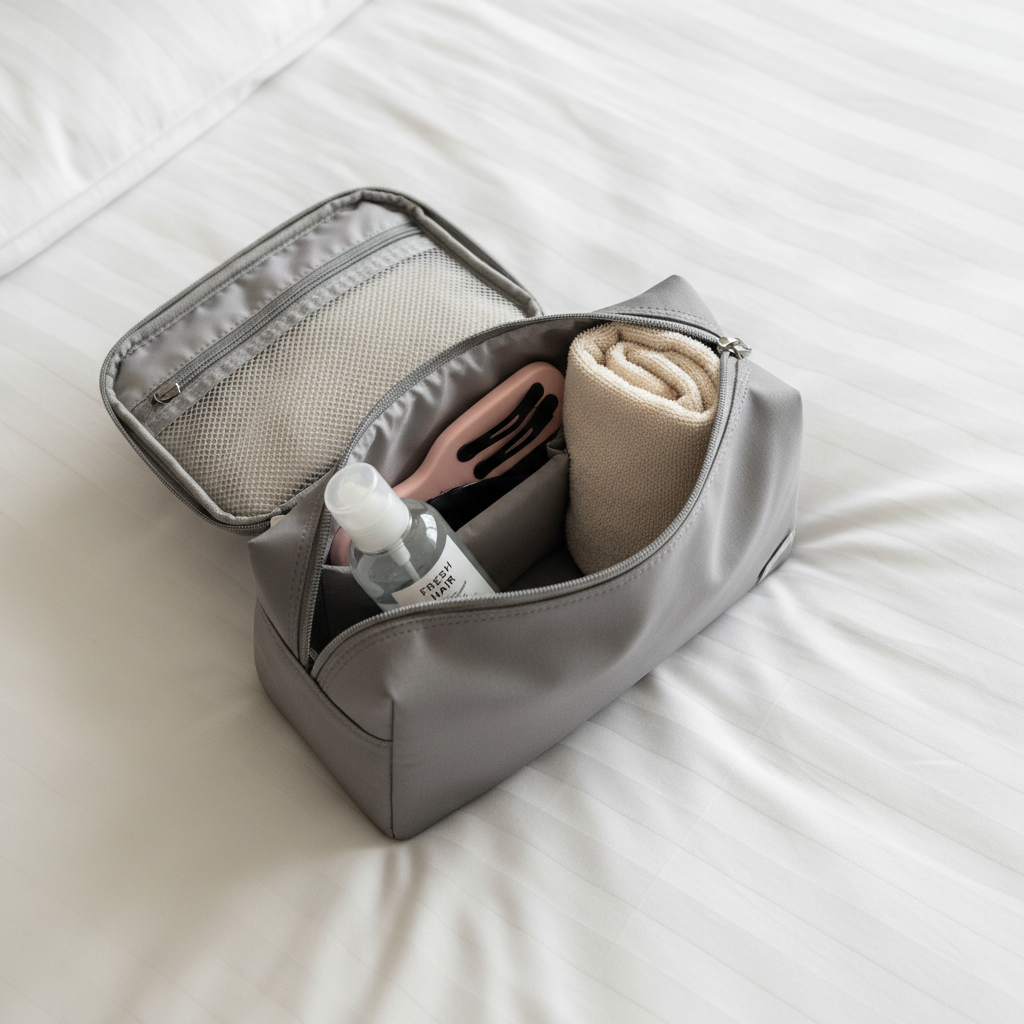
Below is the practical playbook: why hair gets oily so fast on trips, how to choose a no-rinse option that won’t backfire, and a repeatable routine that works even in tiny hotel bathrooms.
Why hair gets greasy faster when you travel (and why no-rinse helps)
Travel changes your “hair ecosystem” more than people expect. Oil production can feel higher, but often it’s oil plus buildup plus sweat behaving badly together.
- Climate swings: humidity can collapse volume, dry air can trigger scalp irritation that feels oily later.
- Heat + hats: planes, subway stations, helmets, beanies, and baseball caps trap heat and sweat at the roots.
- Hard water and styling residue: some hotels have mineral-heavy water, and leftover products cling more.
- Less brushing and more touching: hair sits against scarves, hoodie collars, and hands more often.
A travel dry shampoo no rinse product works by absorbing excess oil at the root and adding friction and lift, so hair looks less separated and more “day-one.” It’s not a scalp cleanser, which matters when you decide how often to use it.
Choosing the right travel dry shampoo no rinse: what actually matters
Most shoppers focus on “volume” or “scent,” but on the road, the more important question is whether the formula behaves well in real conditions.
Powder vs. aerosol vs. foam (quick comparison)
| Type | Best for | Watch-outs | Travel notes |
|---|---|---|---|
| Loose/pressed powder | Short trips, minimal scent, precise use | Easy to over-apply, can look dusty | Great for carry-on, less “spray cloud” |
| Aerosol spray | Fast refresh, fine hair needing lift | White cast if sprayed too close | Check airline liquid/aerosol rules; cap tightly |
| Non-aerosol mist/foam | People sensitive to fragrance or propellants | Needs dry time, can feel damp briefly | Often more hotel-friendly, less smell |
Ingredients and finishes to look for
- Oil-absorbers such as starches or clays tend to be the workhorses.
- Low-residue finish matters more than “maximum oil control,” especially for dark hair.
- Fragrance level: if you’ll be in close quarters (planes, rideshares), lighter scent often causes fewer regrets.
If you have a sensitive scalp, patch-testing is a safe move. According to the American Academy of Dermatology Association, fragrance is a common trigger for contact dermatitis in many personal care products, so “unscented” or “lightly scented” can be easier for some people.
A quick self-check: are you using it the right way?
Before buying a new product, run this checklist. Most “dry shampoo doesn’t work” stories match one of these patterns.
- You spray directly onto visibly oily roots and expect instant clean-looking hair.
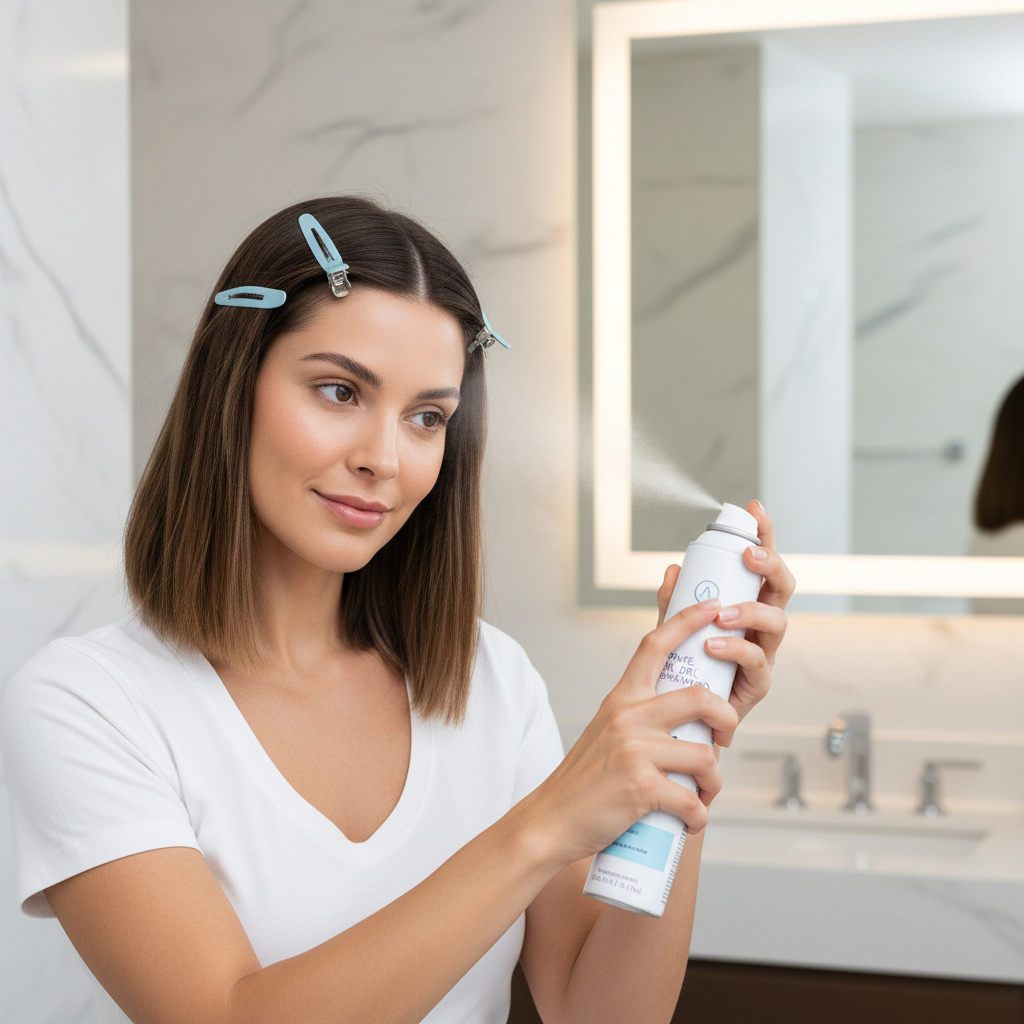
- You apply too close (less than about 6 inches), creating a concentrated white patch.
- You skip the waiting step, then brush immediately and move product away from the oil.
- You use it multiple days in a row without a real wash, then wonder why roots feel coated.
- You only apply on the top layer, but your hair is oily underneath near the crown and behind the ears.
If two or more bullets feel familiar, you probably don’t need “stronger” dry shampoo. You need a cleaner technique.
How to use travel dry shampoo no rinse (a repeatable 5-minute routine)
travel dry shampoo no rinse works best when you treat it like a styling step, not a rescue spray. This is the routine that tends to hold up in real travel chaos.
Step-by-step
- Start with separation: part hair into 3–5 quick sections (top, sides, crown, nape if needed).
- Apply lightly at the roots: aim at scalp-adjacent hair, not mid-lengths. Mid-length product usually creates dullness.
- Wait: give it a full 30–60 seconds to absorb oil. This is where most people rush.
- Massage, then brush: use fingertips to break up residue, then brush to distribute and smooth.
- Finish with air: a quick blast from a blow dryer on cool (if available) helps lift and remove excess powder.
If you’re trying to avoid white cast
- Use less than you think, then add a second pass only where needed.
- Apply under the top layer, not just on top where it shows.
- For dark hair, consider tinted options, but keep shirts and pillowcases in mind.
Real travel scenarios: what to do when you can’t “wash later”
Sometimes the issue isn’t oil, it’s circumstance. Here are fixes that match common situations.
Red-eye flight or long layover
- Apply before landing, not after you look greasy, the “preemptive” approach usually looks more natural.
- Focus on crown and hairline, then tie hair back loosely to reduce touch and friction.
Camping, festivals, or high-sweat days
- Let sweat dry first, then use no-rinse dry shampoo. Spraying onto wet roots can clump.
- Pair with a simple style: braid, low bun, claw clip. Less movement, less visible separation.
After the gym (no shower available)
- Blot roots with a clean towel or tissue, then apply.
- If your scalp feels irritated, consider using less and washing sooner, buildup can make itching worse.
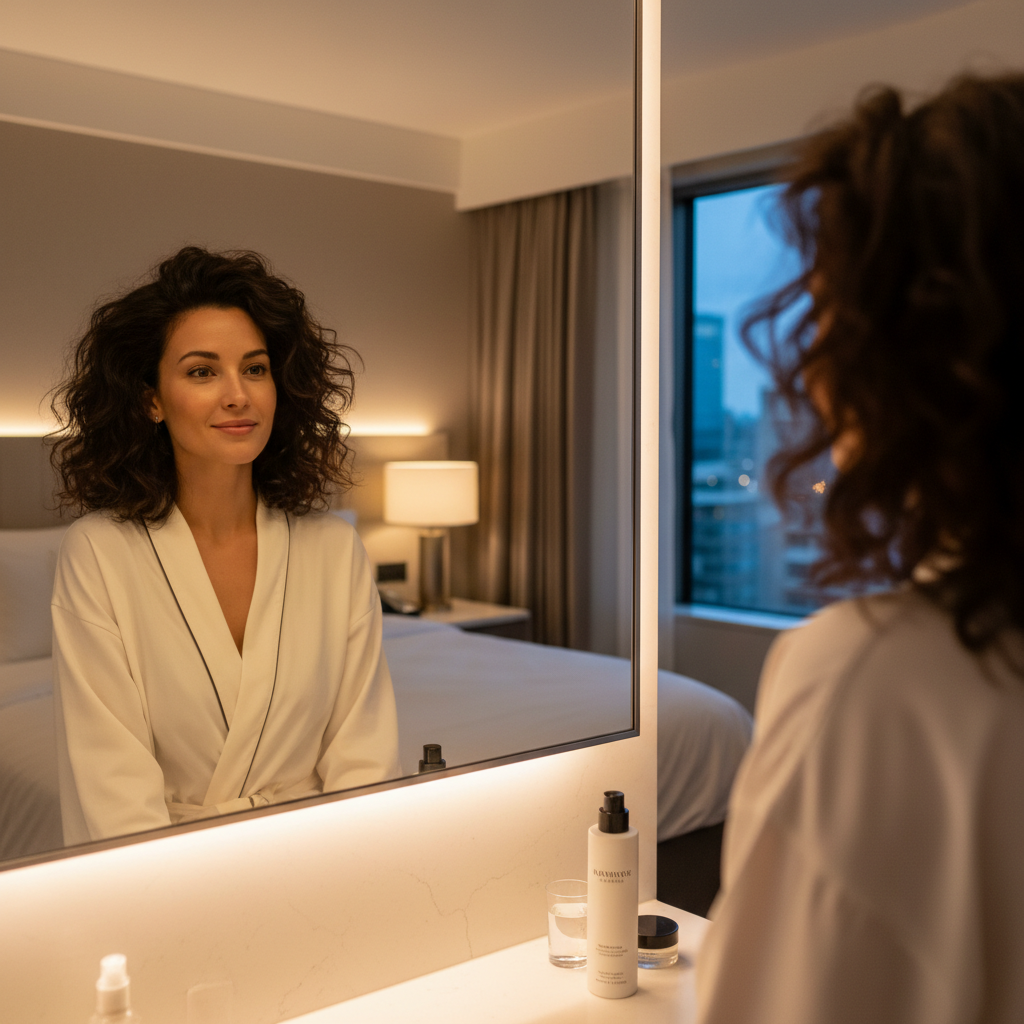
One more thing people skip: clean hands. If you’re applying in an airport bathroom or on a bus, hand oils transfer quickly and undo your effort.
Common mistakes and safety notes (what not to do)
Dry shampoo is convenient, but it’s still a product that sits on the scalp. Using it smarter usually beats using it more.
- Don’t use it as a permanent substitute for washing: many people can use it between washes, but chronic buildup can cause itching or dullness.
- Avoid inhaling the spray cloud: apply in a ventilated area when possible, and don’t spray directly at the face.
- Keep away from heat sources: aerosols can be flammable, so wait before using hot tools.
- Don’t over-layer styling products: hairspray plus dry shampoo plus dry texture spray often turns into sticky residue.
According to the U.S. Food & Drug Administration (FDA), cosmetics should be used as directed and discontinued if irritation occurs. If you notice redness, burning, or persistent flakes, it’s sensible to pause use and consider checking with a dermatologist.
When it’s worth getting professional help
If oiliness is new, extreme, or paired with discomfort, a no-rinse product might cover symptoms while the real issue keeps going.
- Scalp itching, tenderness, or rash that lasts more than a few days
- Noticeable hair shedding that feels sudden
- Flaking that doesn’t improve with regular washing
- History of eczema, psoriasis, or fragrance allergy
A dermatologist can help rule out conditions like seborrheic dermatitis or contact dermatitis, and a stylist can suggest cuts and styles that hide oil better between washes, especially for fine hair.
Key takeaways + a simple “pack list”
Most people get better results by changing the routine, not chasing stronger formulas. A travel dry shampoo no rinse product is at its best when you use a small amount, let it sit, then build volume with fingers and brush.
- Use less, wait longer, then blend thoroughly.
- Apply in sections, including underneath near the crown.
- Plan for buildup: schedule a real wash when you can.
Minimal pack list
- Travel-size dry shampoo (powder or aerosol)
- Mini brush or small comb
- 2 hair clips for sectioning
- Hair tie or claw clip (for low-effort styles)
If you want one action step today, try applying before hair looks greasy, that single change often makes the finish look more like “clean hair” and less like “product.”
FAQ
How often can I use travel dry shampoo no rinse while traveling?
Many people use it 1–3 times between washes, but it depends on scalp sensitivity and how much product you apply. If roots feel coated or itchy, scale back and wash sooner.
Why does dry shampoo leave a white residue even after brushing?
Usually it’s too much product, sprayed too close, or not enough wait time before blending. Try lighter application in sections, then massage at the scalp before brushing.
Can I use no-rinse dry shampoo on wet or sweaty hair?
It tends to work better once hair is dry. On damp roots it can clump and look chalky, blot and air-dry first when possible.
Is aerosol dry shampoo allowed in carry-on luggage in the U.S.?
Rules can vary by airline and trip type, and aerosols have size limits. Check the latest TSA guidance and keep containers travel-sized to reduce hassle.
Does dry shampoo cause hair loss?
Dry shampoo itself isn’t typically “the cause,” but heavy buildup, scalp irritation, and aggressive scratching can contribute to breakage or shedding in some cases. If shedding seems unusual, consider professional advice.
What’s the best way to make it look natural on dark hair?
Use less product, apply under the top layer, and blend with fingertips first. If you use tinted versions, protect light fabrics and wash hands after application.
Can I use travel dry shampoo no rinse with curly or textured hair?
Often yes, but brushing can disrupt curl pattern. Many people prefer patting product in at the roots and using fingers or a wide-tooth comb lightly, then reshaping curls.
If you’re packing for a trip and want a more foolproof routine, aim for a simple setup: one no-rinse product you tolerate well, a brush, and a style plan for day two. It’s cheaper than panic-buying random mini cans at the airport, and it usually looks better, too.