
boutique hotel travel picks can either feel like a shortcut to a memorable trip or a rabbit hole of pretty photos and unclear trade-offs.
If you have ever booked a “stylish” place that turned out to be loud, inconvenient, or oddly strict about check-in, you already know why this topic matters, boutique hotels are high on personality, but the details vary a lot by owner, neighborhood, and even room category.
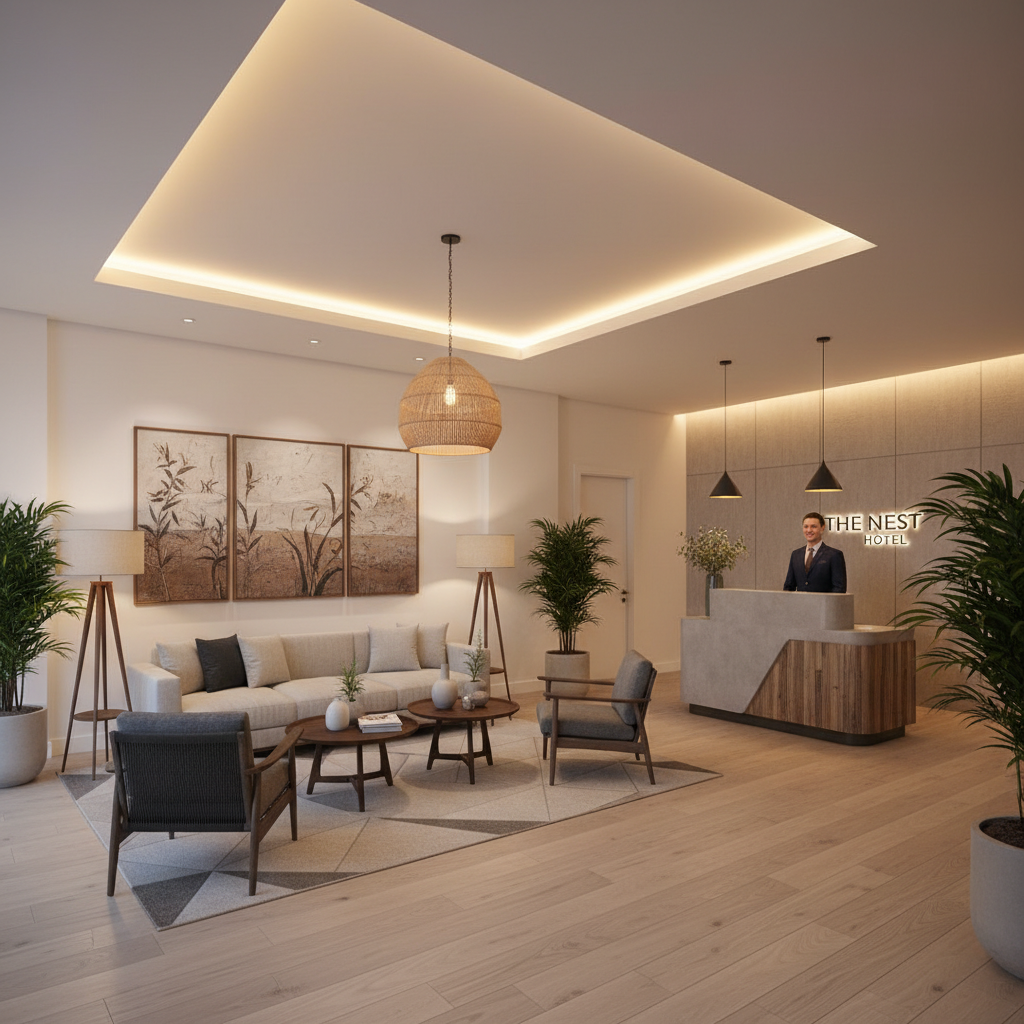
This guide focuses on how to choose well on purpose, not just by vibe, you will get a quick self-check, a practical shortlist framework, and a few “read-between-the-lines” tips that save money and stress.
What “boutique” usually means, and what it does not
In many U.S. travel contexts, boutique points to a smaller property with a distinct design point of view and more individualized service, but there is no single universal standard that every booking site enforces.
- Typically: fewer rooms than big brands, design-forward interiors, locally influenced food and drinks, staff who can tailor recommendations.
- Sometimes: independent ownership or a small collection, unique room layouts, fewer identical “standard” rooms.
- Not guaranteed: quiet rooms, large gyms, 24/7 room service, consistent parking, elevators in older buildings.
According to the American Hotel & Lodging Association (AHLA), the U.S. lodging market includes a wide range of property types, and traveler expectations often depend more on amenities and operations than labels, so you still want to verify what matters to you.
Common reasons travelers miss with boutique stays
Most “bad boutique” experiences are really mismatched expectations, the hotel might be good at what it is trying to be, it is just not what you needed on that trip.
- Location trade-offs: cool neighborhoods can be louder at night, or farther from the main attractions you actually plan to see.
- Room variance: one room faces a courtyard, another faces a busy street, photos often highlight the best angles.
- Amenities gaps: small properties may skip daily housekeeping, have limited front desk hours, or offer minimal fitness space.
- Fees and policies: resort fees, paid parking, deposit holds, strict late check-out rules.
- Accessibility constraints: historic buildings can mean stairs, narrow hallways, or limited ADA-ready rooms, call ahead if this matters.
A quick self-check to find the right “kind” of boutique hotel
Before you save 30 listings, decide what you are optimizing for, this takes five minutes and makes your boutique hotel travel picks feel much less random.
Pick your top two priorities
- Sleep quality: quiet room, blackout curtains, comfortable mattress, strong soundproofing.
- Walkability: cafes, transit, museums, nightlife, all reachable without rideshare.
- Design and atmosphere: architecture, interiors, social spaces, a “stay in” kind of property.
- Service: concierge help, personal touches, flexible problem-solving.
- Budget control: low fees, predictable parking, breakfast value, fewer add-ons.
Know your dealbreakers
- Light sleeper who wakes up easily from street noise
- Need elevator or step-free access
- Need on-site parking or EV charging
- Work trip that requires a real desk and stable Wi‑Fi

If you cannot name your dealbreakers, you will end up choosing based on aesthetics alone, and that is where people get burned.
How to build boutique hotel travel picks that actually fit your trip
Here is a repeatable way to shortlist without overthinking, it works whether you are planning a quick weekend in Chicago or a longer drive through California.
Step 1: Start with neighborhood, not the hotel
Choose 2–3 neighborhoods that match your itinerary and your nights, if you plan early mornings, “fun and loud” areas often backfire.
Step 2: Validate the room, not just the property
- Look for room-type notes like “interior,” “courtyard,” “street-facing,” or “loft,” those words matter.
- If noise is a concern, message the property and ask what rooms are quietest, many will tell you directly.
- Check bed sizing carefully, “queen” can be tight in older buildings.
Step 3: Add up the real total cost
For boutique stays, the rate is only part of the story, scan for destination fees, parking, breakfast, and incidental holds.
| Cost item | Where it hides | What to do |
|---|---|---|
| Parking | Policies / Fine print | Confirm nightly rate, in/out privileges, height limits for garages |
| Destination or resort fee | Rate details | Ask what it covers, skip if it adds no value for your plans |
| Breakfast | Amenities list | Compare “free” vs credit vs paid menu, decide what you would actually eat |
| Incidental hold | Payment section | Plan card limit accordingly, especially on longer stays |
What to look for in reviews and photos (without getting tricked)
Reviews help most when you filter for your specific risk, not for overall sentiment, a place can be loved by couples and hated by business travelers, and both can be accurate.
High-signal review phrases
- “Could hear everything”: soundproofing issue, ask for an interior room or higher floor.
- “Small rooms, but…”: fine if you are out all day, annoying if you plan to work in-room.
- “Great bar downstairs”: could mean convenient, could mean noise, check quiet hours.
- “Staff made it right”: service recovery matters in smaller properties.
On photos, look for practical tells, outlets by the bed, luggage racks, desk space, window size, and lighting, those rarely get glam shots, but they affect your day.
Practical booking tips that reduce surprises
This is the part people skip, then they wonder why the stay feels harder than it should.
- Call or message for a quiet room, and be specific, “away from elevator and nightlife side” is clearer than “quiet please.”
- Ask about construction in the building or next door, cities change fast.
- Confirm check-in logistics if you arrive late, some boutique properties have limited front desk coverage.
- Consider refundable rates if your itinerary may shift, boutique inventory can be less flexible.
- Traveling with pets: verify weight limits, fees, and where pets can go on property.
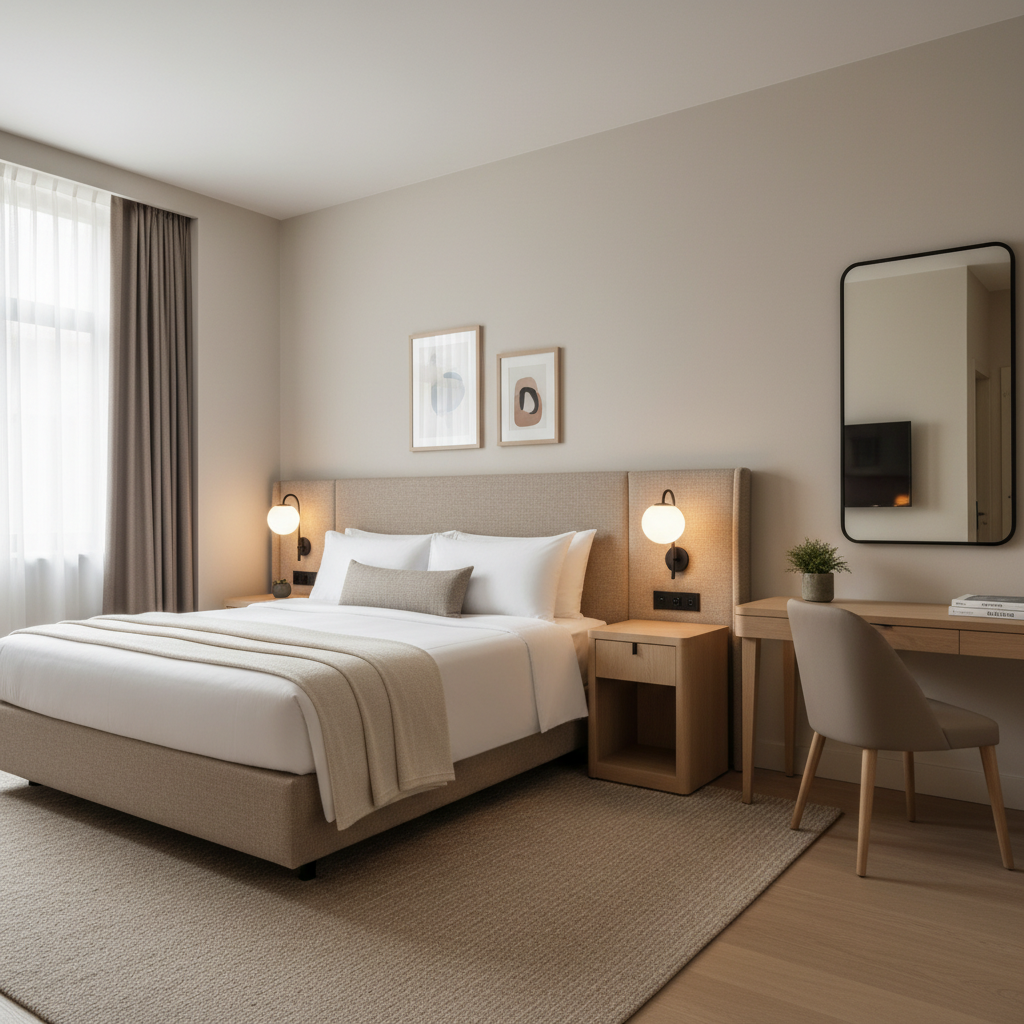
Key takeaways: pick the neighborhood first, validate the exact room, and compute total cost including fees, those three steps solve most disappointment.
When it makes sense to ask for expert help
If your trip has tight constraints, getting a second set of eyes can be worth it, especially for milestone travel where you do not want “character” to turn into inconvenience.
- Accessibility needs, medical equipment, or mobility considerations, ask the property directly and consider consulting a travel advisor who can confirm details in writing.
- Multi-city itineraries with complex timing, a professional can help avoid location mistakes that cost hours.
- High-stakes events like weddings, conferences, or proposals, you want clear expectations on noise, staffing, and backup options.
According to the U.S. Department of Transportation (DOT), travelers benefit from clear disclosures and written confirmations, so whenever something is important, keep it documented, even a quick email reply helps.
Conclusion: make your picks feel personal, not risky
Boutique stays shine when you treat them like a fit problem, not a popularity contest, once you define your priorities, check the room details, and verify the real costs, your boutique hotel travel picks start producing the kind of unique nights you actually remember.
If you want one next step, take your top three hotels and message each with the same two questions, “Which rooms are quietest?” and “What fees should I expect beyond the nightly rate?” The answers usually make the choice obvious.
FAQ
What are boutique hotel travel picks, exactly?
They are curated choices of smaller, design-driven hotels meant to deliver a more distinctive stay than a standard chain, the key is confirming the basics you care about, since “boutique” is not a strict category everywhere.
Are boutique hotels usually more expensive than big brands?
Often they can be, but not always, the bigger swing is fees and inclusions, two hotels with the same nightly rate may land very differently once you add parking, breakfast, and destination charges.
How do I avoid noisy boutique hotels in nightlife areas?
Book an interior or courtyard-facing room when available, and message the property about noise sources like bars, rooftop venues, or street traffic, if they dodge the question, take that as a signal.
Do boutique hotels have reliable Wi‑Fi for remote work?
Many do, but quality varies more than in business-focused chains, if your work depends on stable video calls, ask about typical speeds and where the router coverage is strongest, and consider a backup hotspot.
Is it better to book direct or through an OTA for boutique properties?
It depends on the cancellation terms and price, booking direct sometimes improves flexibility or room requests, while OTAs can be useful for comparison and loyalty perks, whichever you choose, read policies carefully.
What should I look for in boutique hotel photos?
Beyond the “hero” lobby shot, look for practical images showing the bathroom size, desk space, bed-side outlets, and window placement, those details shape comfort more than decor does.
How far in advance should I book a boutique hotel?
For peak weekends and popular neighborhoods, earlier is usually safer because inventory is smaller, if your dates are flexible, watching rates with a refundable option can reduce risk.
If you are building a short list and want a more low-effort way to narrow it down, consider writing your top two priorities and one dealbreaker next to each property, it is a quick reality check that keeps a “cute find” from becoming the wrong stay for your trip.