
When you search for a travel jacket waterproof wind, you’re usually not chasing hype, you’re trying to solve a real problem: unpredictable weather that ruins a day outside, soaks your layers, or leaves you shivering on a windy platform.
A good all-weather travel jacket is less about a logo and more about a handful of practical details: fabric performance, hood design, pocket layout, and how well it packs without feeling like a plastic bag when you wear it.
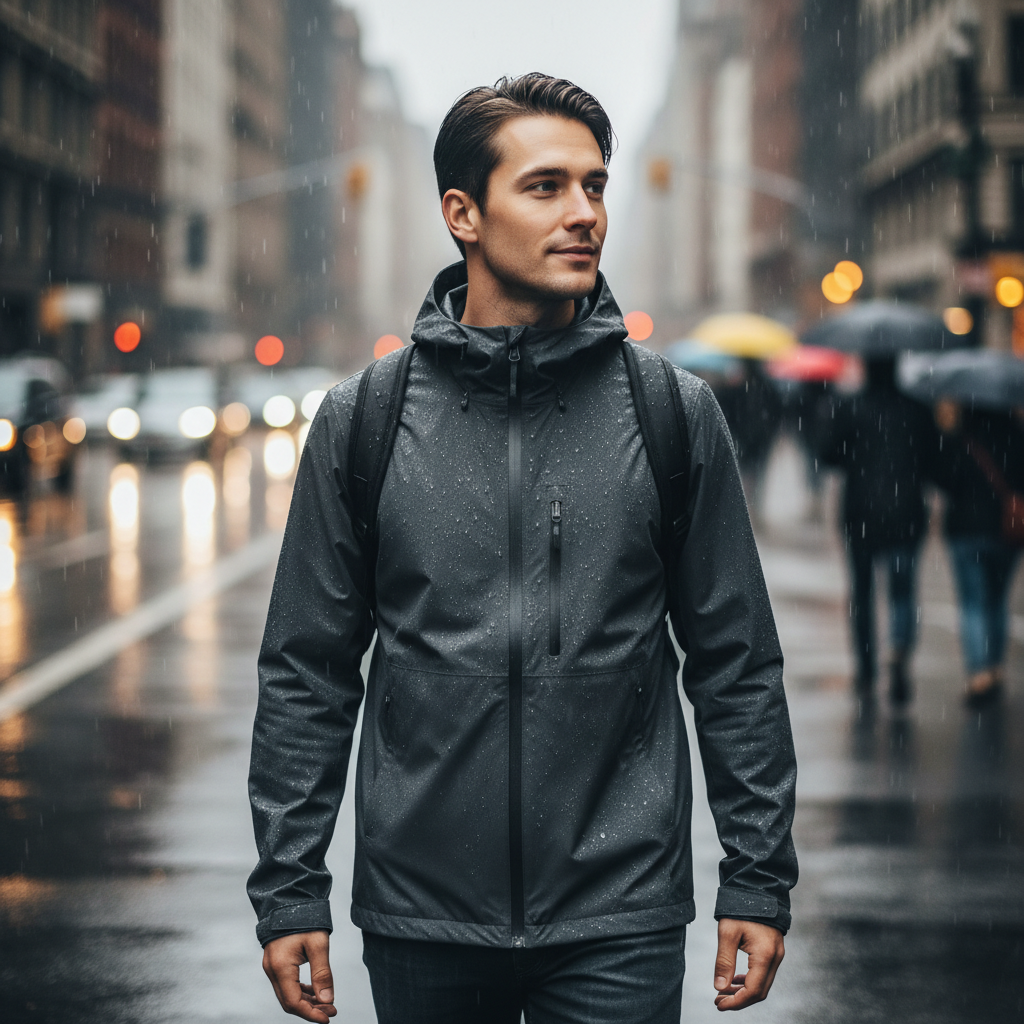
This guide breaks down what matters, how to tell marketing from function, and what to prioritize depending on where you travel and how you move, airports, city walking, light hikes, or daily commuting.
What “Waterproof + Windproof” Really Means for Travel
Most jackets feel “fine” until the first real downpour or a strong coastal gust, then the weak points show up fast: leaking seams, flimsy hoods, and zippers that let wind cut through.
Waterproof usually means the fabric blocks water from penetrating, but performance depends on seam sealing, zipper design, and how the jacket is maintained. Windproof means the material resists air penetration, which reduces heat loss and that chilled-to-the-bone feeling on breezy days.
Breathability is the quiet third requirement. A jacket can keep rain out and still feel miserable if it traps sweat. According to NOAA, wind can significantly increase heat loss and make conditions feel colder than the air temperature, which is why wind protection matters even when it’s not raining.
Why Some “All-Weather” Jackets Fail in Real Trips
In many cases, the jacket isn’t “bad,” it’s mismatched to the trip. A minimalist shell built for short commutes may disappoint on a long, wet day of sightseeing.
- Seams aren’t fully sealed, so water sneaks in at shoulders and hood panels.
- Pockets sit wrong for travel, either too shallow for a phone or placed where backpack straps crush them.
- Hood design is basic, no structured brim or adjusters, so rain hits your face and wind pulls it off-center.
- Fabric feels clammy because breathability is limited or the inner coating breaks down over time.
- Fit is too trim to layer, then you compensate with thicker midlayers and movement gets annoying.
If you’ve had that experience, you’re not alone. Travel jackets get used differently than hiking shells: more stop-and-go, more pockets, more time indoors, and more packing and unpacking.
Quick Self-Check: What Kind of Traveler Are You?
Before you compare specs, decide what “all weather” means for your reality. This is where most people save money and frustration.
- City-first traveler: you want clean style, quiet fabric, good hood, and pockets that work with transit.
- Onebag carry-on traveler: you need packability, low weight, and a jacket that works across temperatures with layering.
- Mixed itinerary: museums + walking tours + a light trail, you need true rain protection and comfort over long wear.
- Cold-wind sensitive: windproofing and cuffs/hem adjustment matter more than ultra-light weight.
If your trips often include heavy rain, consider whether you need a dedicated rain shell plus a separate insulated layer. A single jacket can do a lot, but it rarely replaces everything.
Feature Checklist: What to Look for (and Why It Matters)
Here’s the short list I’d prioritize for a travel jacket waterproof wind setup that feels good on day three, not just in the fitting room.
Weather protection that’s more than fabric
- Fully taped seams (or at least critical seams), because seams are common leak points.
- Storm flap or water-resistant zipper at the front to reduce seepage.
- Adjustable hood with a brim to keep rain off your face and maintain peripheral vision.
Travel comfort details
- Two-way zipper if you sit a lot (planes, trains) or move fast, it reduces bunching.
- Cuffs and hem adjusters to block drafts when wind picks up.
- Collar comfort, soft chin guard, non-scratch material, because you’ll zip up often.
Pockets you’ll actually use
- Secure chest pocket for phone/passport when you want quick access.
- Hand pockets placed above hip belt if you wear a backpack with a waist strap.
- Interior drop pocket for gloves, beanie, or boarding pass.
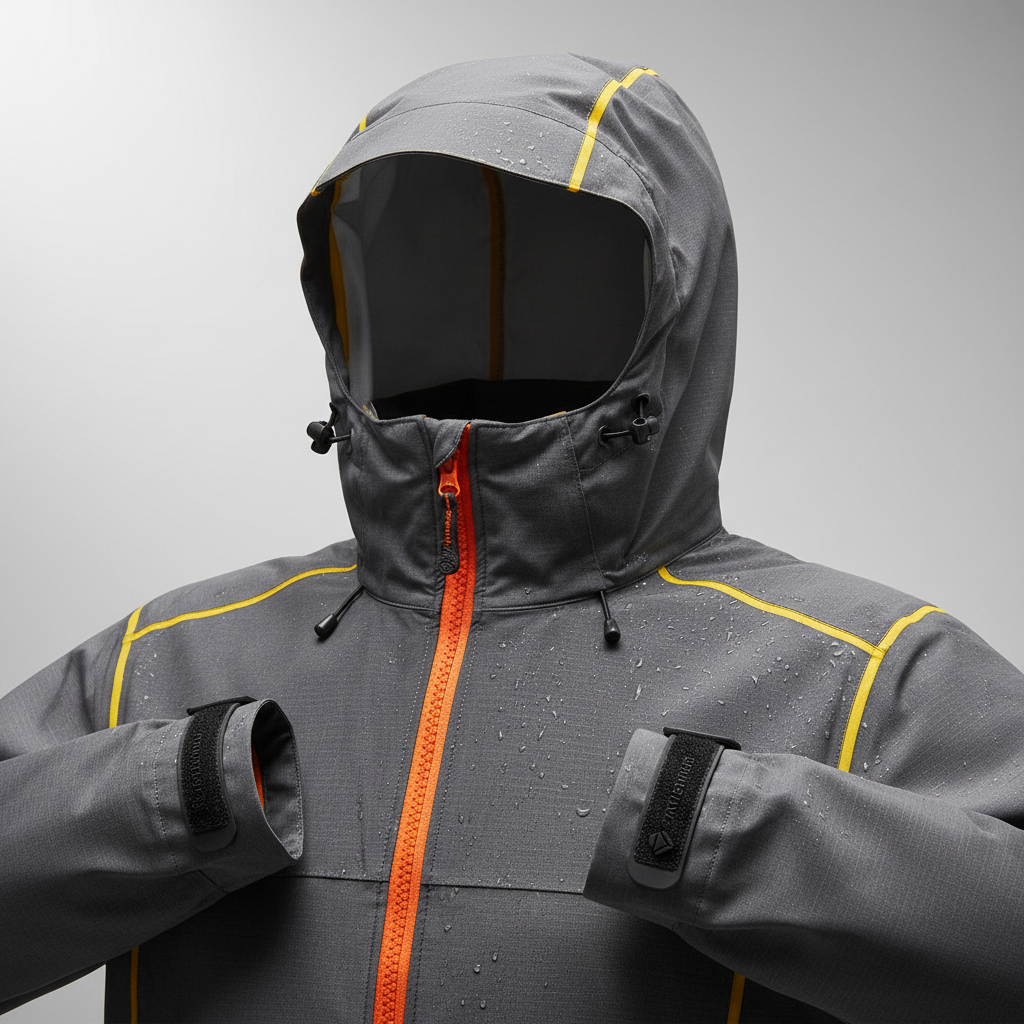
Key point: one strong feature in isolation doesn’t save a jacket. Great fabric with a weak hood still means a miserable rainy day.
Choosing the Right Jacket by Scenario (Practical, Not Perfect)
Instead of chasing a “do-everything” promise, pick the best compromise for your most common scenario.
1) Airport + city walking in mixed weather
- Go for a midweight shell with good breathability and a quieter fabric.
- Prioritize pocket security and a hood that doesn’t collapse.
- A slightly longer cut can help in sideways rain, but don’t go so long it bunches when sitting.
2) Lightweight packing and warmer climates
- Look for packability and ventilation (pit zips help, but not everyone needs them).
- Skip heavy linings, use a thin layer underneath when needed.
- Double-check the jacket doesn’t feel sticky against skin, that’s a common warm-weather complaint.
3) Windy destinations and shoulder seasons
- Prioritize wind blocking, adjustable cuffs, and a hem drawcord.
- Make sure you can layer a light fleece or sweater underneath without losing mobility.
- A higher collar and well-shaped hood matter more than shaving ounces.
Comparison Table: Common Jacket Types for Travel
This is the fastest way to sanity-check your choice when product pages start to blur together.
| Type | Best for | Pros | Trade-offs |
|---|---|---|---|
| Packable rain shell | Warm climates, emergency storms | Light, easy to carry, quick coverage | Can feel clammy, less durable, noisy fabric sometimes |
| Everyday travel shell | City trips, mixed forecasts | Balanced comfort, better pockets, nicer drape | Heavier and bulkier than ultra-light shells |
| Softshell (water-resistant) | Windy, cool, mostly dry trips | Comfortable, breathable, great mobility | Not true waterproof in steady rain |
| 3-in-1 system | Variable temps, longer trips | Flexible layering, wider temperature range | Bulk, zippers/snaps add complexity |
How to Pack, Wear, and Maintain It (So It Performs)
A travel jacket that’s waterproof and wind-resistant still needs a little care. Many “my jacket leaks” complaints are actually wear, dirt, or neglected water-repellent finish.
Smart packing
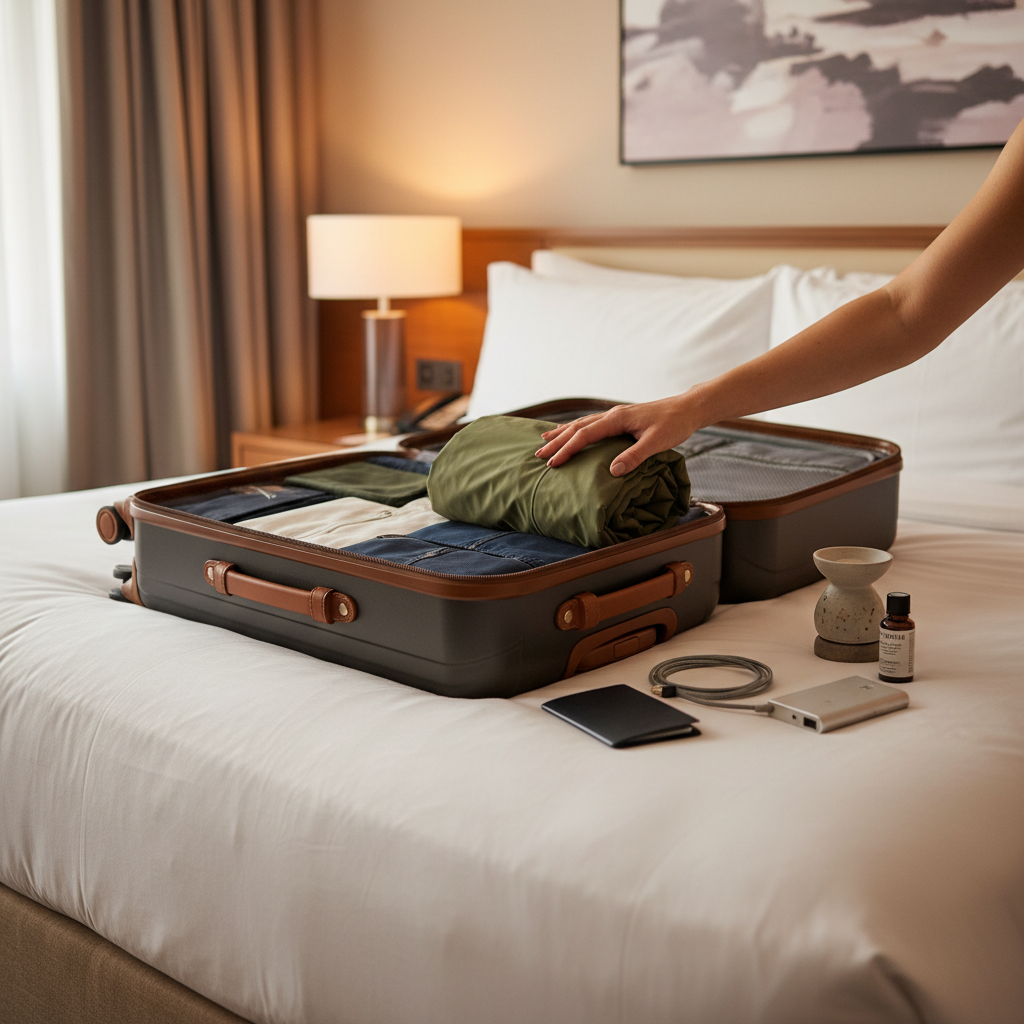
- Roll instead of hard-stuffing when possible, it’s easier on seam tape and coatings.
- Keep it near the top of your bag on travel days, weather changes don’t wait.
- If your jacket has a pocket-stuff sack, don’t store it compressed long-term.
Layering without overheating
- Use a thin base layer that wicks moisture, then add insulation only if you’re actually cold.
- If you run hot, choose a lighter midlayer and rely on the shell to block wind.
Maintenance basics
- Wash occasionally per care label, grime can reduce water repellency.
- Reapply DWR (durable water repellent) treatment when water stops beading.
- Avoid harsh detergents and fabric softeners, they can hurt performance fabrics.
According to REI, keeping waterproof-breathable outerwear clean and periodically restoring water repellency helps maintain performance, especially when jackets “wet out” on the surface even if the membrane still blocks water.
Common Mistakes to Avoid When Buying
These are the traps that tend to show up after the return window closes.
- Buying too snug: if you can’t comfortably lift arms or layer, you’ll stop wearing it, even if it tests “waterproof.”
- Ignoring hood quality: a bad hood makes rain feel worse than it is.
- Over-prioritizing weight: ultra-light can be great, but durability and comfort often matter more on long trips.
- Assuming “water-resistant” equals waterproof: many softshells handle drizzle, not sustained rain.
- Skipping adjustability: cuffs, hem, and hood adjustments are what stop wind from sneaking in.
Conclusion: A Travel Jacket That Works in Real Weather
A travel jacket waterproof wind purchase pays off when it matches your travel style and covers the boring details, sealed seams, a reliable hood, and a fit that welcomes layering. That combination is what keeps you comfortable when forecasts miss and plans keep moving.
If you take one action today, make it this: write down your most common travel weather and how you carry your gear, then use the checklist above to filter options fast. If you can, try it on with your usual midlayer and backpack, that five-minute test catches most regrets early.
FAQ
What should I look for in a waterproof wind travel jacket for Europe trips?
Look for a true rain shell with seam sealing, a structured hood, and pocket placement that works with a daypack. Europe city travel often means long walking days, so comfort and breathability matter as much as raw waterproof claims.
Is windproofing important if I only expect light rain?
Often yes. Wind can make mild temperatures feel colder and can push light rain under hems and into sleeves. A jacket that blocks wind well tends to feel more “stable” across changing conditions.
Can one jacket handle both summer storms and fall cold snaps?
Sometimes, if you choose a breathable shell and rely on layering. For bigger temperature swings, a shell plus a separate insulating layer usually feels more flexible than a single heavy jacket.
How do I know if my jacket is actually waterproof and not just water-resistant?
Check for language like “waterproof” plus details about sealed seams and zipper protection. If product info only mentions “water-resistant,” it may handle drizzle but struggle in steady rain.
Why does my waterproof jacket feel wet inside?
It might be sweat buildup or the outer fabric “wetting out,” which reduces breathability. Washing and restoring DWR can help, but if the membrane or seam tape is worn, performance may be limited.
Are pit zips necessary for a travel jacket?
Not always. They help if you run hot, walk fast, or climb stairs a lot with a backpack. If you mostly do casual city walking, good breathability and smart layering can be enough.
When should I consider professional help or repair?
If seam tape peels, zippers fail, or leaks appear at specific points, a brand repair program or outdoor gear repair shop may help. If you’re unsure whether it’s a defect or wear, it’s reasonable to ask customer support before attempting DIY fixes.
If you’re trying to narrow down options and want a more straightforward shortlist, focus on your top two conditions, for example, steady rain and wind, then compare jackets using the same checklist and a quick try-on with your usual layers, it’s the most reliable way to avoid “looks good online, feels wrong on day one.”