
Travel towel quick dry options solve a very specific annoyance: you finish a swim or workout, and your towel stays wet, heavy, and starts smelling before you get home.
If you travel, go to the gym after work, or spend weekends at the beach, the “right” towel isn’t about luxury, it’s about drying speed, pack size, and how it handles sand and sweat. A bad towel turns into a soggy brick in your bag, then you end up rewashing everything.
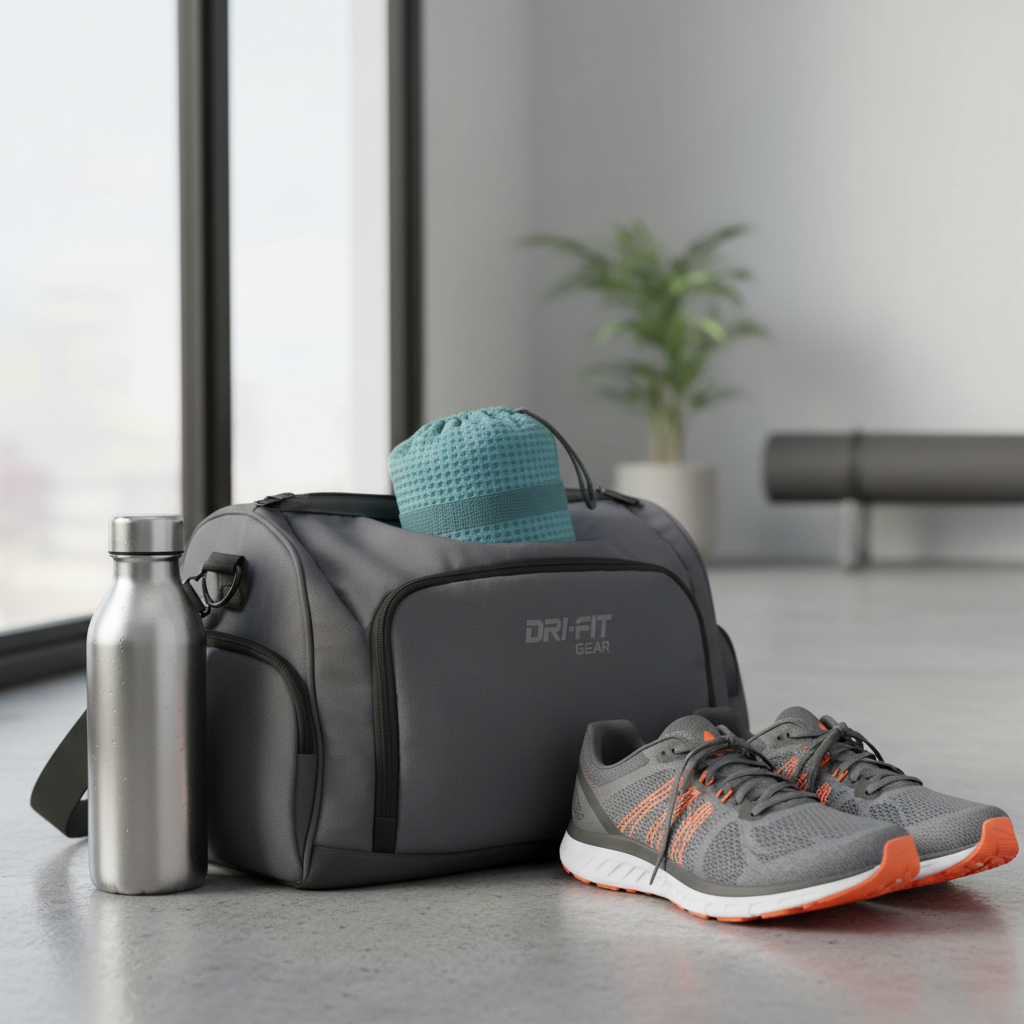
This guide breaks down what makes a towel dry fast, how to choose for beach vs gym, and the small habits that keep it from turning musty. You’ll also get a quick comparison table and a simple checklist so you can decide in minutes.
What “quick dry” actually means (and why some towels still feel damp)
A towel dries quickly when it moves moisture away from the surface and gives that moisture room to evaporate. That sounds simple, but in real life, a few details change everything: fiber type, weave, thickness, and even how you hang it.
According to NOAA, humidity affects evaporation rates, so a towel that dries fine in Arizona might stay damp for hours in coastal Florida. That’s not a towel failure, it’s physics, but some materials handle it better than others.
- Microfiber: Typically the fastest to dry and smallest to pack, but some people dislike the “grabby” feel on dry skin.
- Cotton: Comfortable and familiar, but it usually holds more water and takes longer to dry, especially if thick.
- Waffle weaves / thin terry: Often a middle ground, more “towel-like” feel with improved airflow.
One more thing people miss: quick-dry towels often absorb plenty, but they don’t feel plush. If you expect spa-thick cotton, you’ll think it’s “not working,” even while it’s drying faster.
Beach vs gym: the same towel rarely excels at both
You can use one towel for everything, but your priorities shift by setting. The beach punishes towels with sand, salt, wind, and big temperature swings. The gym punishes them with sweat, bacteria, and repeated short sessions where towels never fully air out.
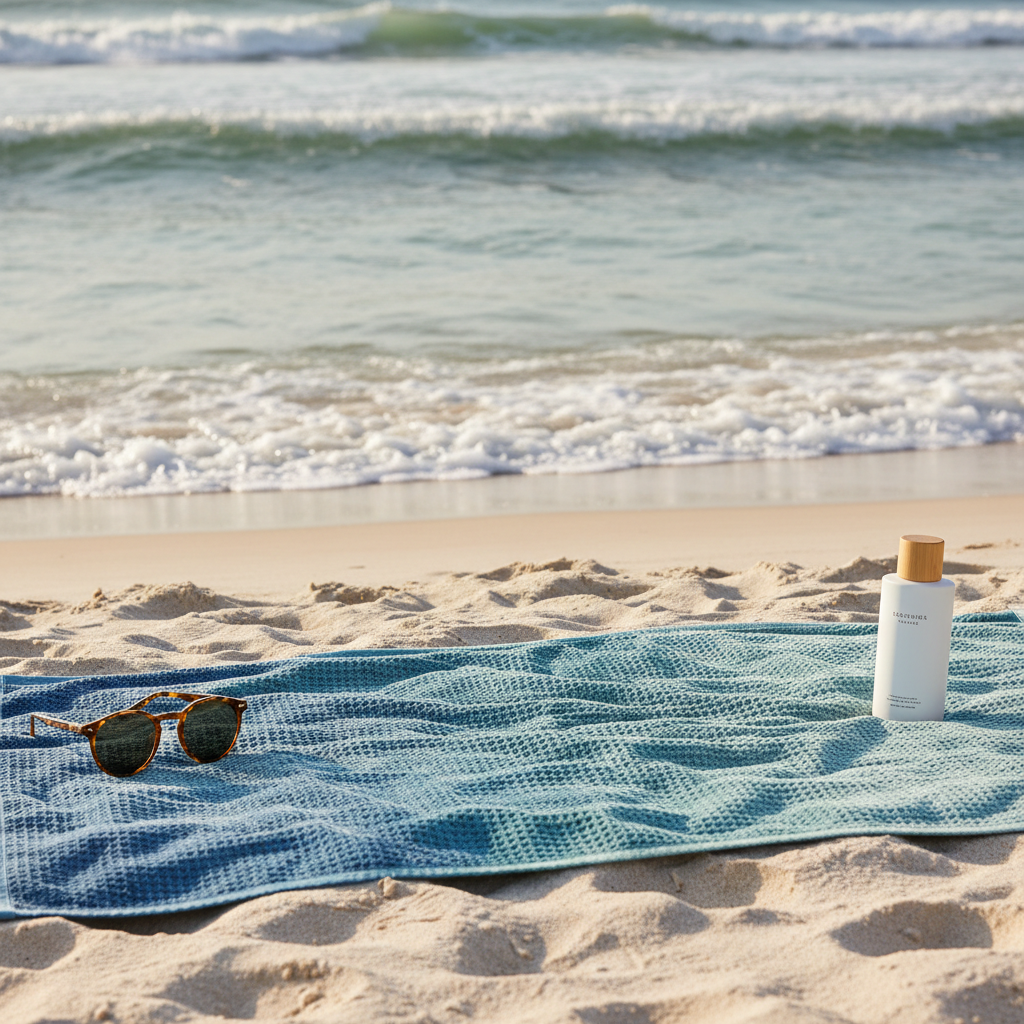
Here’s the practical split that usually holds up:
- For the beach: prioritize sand resistance, larger coverage, and comfort when sitting or changing.
- For the gym: prioritize packability, fast dry time between sessions, and easy washing without lingering odor.
If you want a one-towel solution, aim for a medium size microfiber or waffle towel, not ultra-thin and not bulky. It won’t be perfect, but it’s the most “no regrets” compromise.
Quick comparison table: materials and real-world tradeoffs
This table isn’t about declaring one winner, it’s about matching expectations. A travel towel quick dry purchase goes wrong when the feel, size, or care needs surprise you after the first trip.
| Type | Dry speed | Pack size | Skin feel | Best for |
|---|---|---|---|---|
| Microfiber (smooth) | Fast | Small | Slick, can feel “grabby” | Gym, backpacking, frequent travel |
| Microfiber (suede-like) | Fast | Small | Softer than smooth microfiber | Beach + gym hybrid use |
| Waffle weave (synthetic or blend) | Medium-fast | Medium | More “towel-like” | Hotels, road trips, daily gym |
| Thin cotton | Medium | Medium-large | Classic soft | Comfort-first, low humidity areas |
| Thick cotton terry | Slow | Large | Plush | Home, not ideal for bags |
Self-check: how to pick the right towel in 60 seconds
If you’re stuck between sizes and fabrics, answer these quickly and you’ll narrow it down without overthinking.
- How often will it sit in a bag damp? If “often,” lean microfiber and bring a breathable pouch.
- Do you hate the microfiber feel? Choose suede-like microfiber or a waffle weave instead of the slick versions.
- Is it mainly for the beach? Go bigger, and consider a tighter weave that shakes sand off easier.
- Are you using it for showering while traveling? A body-size towel matters more than ultra-compact packing.
- Do you wash with fragrance-free products? That’s fine, but you’ll need better drying airflow to prevent mustiness.
Key point: If you need it to dry between two workouts in one day, don’t buy thick anything, even if reviews call it “luxury.”
How to use a quick-dry travel towel so it actually dries fast
Most “my towel smells” issues come from the routine, not the product. A towel that dries quickly still needs airflow, and gyms and hotel rooms often have poor ventilation.
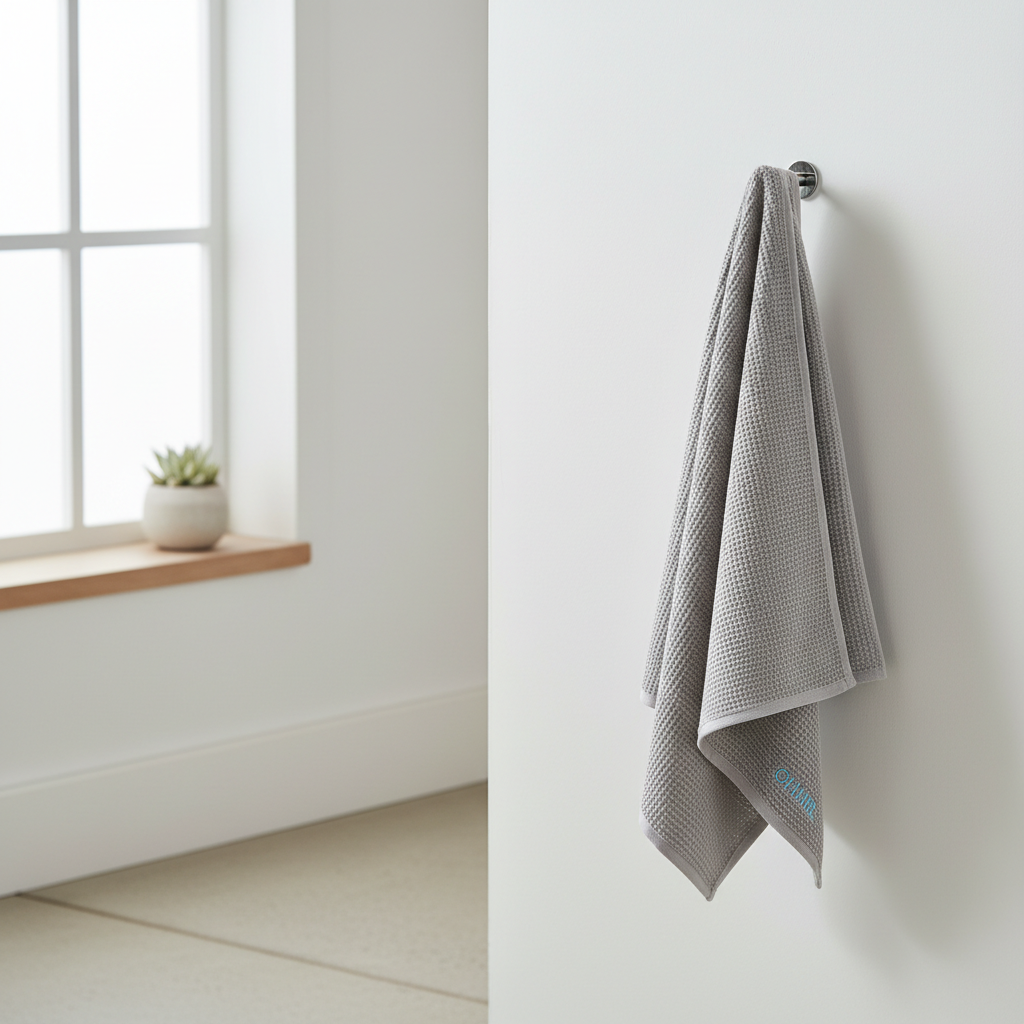
Try this simple sequence, it works in most real-world setups:
- After use, wring hard: remove as much water as possible before you hang it.
- Snap it once or twice: this loosens fibers and helps airflow through the weave.
- Hang wide, not folded: a towel draped over a chair back dries slower than one spread on a bar.
- Don’t trap it in a plastic bag: use a mesh pocket or breathable pouch if you must pack it damp.
- At the beach: shake sand off before it gets wet again, sand sticks more once damp.
If you’re in a humid place, aim a fan toward it or move it near (not on) an AC vent. Small changes beat buying three towels and hoping the next one magically fixes humidity.
Care, odor, and common mistakes that ruin performance
Quick-dry fabrics can hold onto oils and detergent residue. When that builds up, the towel may start repelling water or smelling “clean but funky.”
- Skip fabric softener: it can coat fibers and reduce absorbency.
- Use less detergent than you think: too much can leave residue, especially in high-efficiency washers.
- Wash sooner after sweaty use: the gym is where odor problems start fastest.
- Low heat or air dry when possible: some microfiber handles low heat, but high heat can shorten lifespan.
According to the CDC, proper laundering helps reduce germs on textiles; if you share towels or have skin concerns, it may be worth using a hotter wash cycle when the care label allows, or asking a healthcare professional if you have recurring irritation.
One mistake I see a lot: people buy a travel towel quick dry model, then store it rolled tight in a drawer while still slightly damp. It smells inevitable, and it also makes the fabric feel “off” the next time you use it.
Conclusion: the right choice depends on where you’ll hate the inconvenience most
A quick-dry towel earns its keep when it keeps your bag lighter, your routine cleaner, and your day less annoying. For most people, a medium-size microfiber or waffle weave towel covers the gym and occasional beach days without drama, while a larger, sand-resistant option makes beach trips more comfortable.
If you only do one thing after reading this, do this: pick the towel that matches your most frequent use case, then commit to a simple drying routine so it stays fresh.
Key takeaways
- Microfiber usually dries fastest and packs smallest, but feel varies by weave.
- Beach towels benefit from size and sand-shedding performance, not just dry speed.
- Gym towels need airflow and fast drying between sessions to avoid odor.
- Care choices like skipping fabric softener often matter as much as fabric choice.
FAQ
What size travel towel quick dry works best for the gym?
Most gym users do well with a compact or medium towel that covers a bench and handles sweat, then dries quickly in a locker or at home. If you also shower at the gym, consider a larger body-size option.
Is microfiber really better than cotton for quick drying?
In many cases, yes, because microfiber tends to hold less water for its weight and promotes faster evaporation. Cotton can feel nicer, but it often stays damp longer, especially if thick.
Why does my quick-dry towel start smelling even when it “dries” fast?
Smell often comes from packing it damp, limited airflow, or residue from too much detergent or fabric softener. A thorough wash and a habit of hanging it fully open usually helps.
Can I use a quick-dry travel towel as a beach blanket?
You can, but coverage and comfort depend on size and weave. Many quick-dry towels are thin, which is great for packing but less cozy for lounging; if beach lounging is the priority, size matters more.
Do quick-dry towels work in very humid climates?
They still help, but humidity slows evaporation for any fabric. In humid regions, focus on wringing well and maximizing airflow, a fan in a room can make a noticeable difference.
Should I wash a new travel towel before first use?
Usually yes, because it can remove manufacturing residue and improve absorbency. Follow the care label, and avoid fabric softener on the first wash.
Are quick-dry towels safe for sensitive skin?
Many people tolerate them fine, but some dislike the texture, and friction can bother sensitive skin. If you have ongoing skin irritation, it’s smart to switch fabrics and consider asking a healthcare professional for guidance.
If you’re trying to choose between two towels and they both look “fine,” focus on your real routine: how often it sits in a bag, where you’ll hang it, and whether you need beach size or gym packability, those answers usually make the decision for you.