
Travel size beauty products make carry-on packing feel less like a gamble, but only if you plan around TSA liquid rules, leaks, and what you’ll actually use on the trip.
If you’ve ever opened a suitcase to find shampoo everywhere, or had a “perfectly reasonable” bottle tossed at security, you already know why this matters. The goal is not to miniaturize your whole bathroom, it’s to build a tight kit that survives transit and covers your real routines.
This guide breaks down what counts as a liquid, how to choose containers that don’t betray you at 30,000 feet, and a few packing setups that work for weekend trips, work travel, and longer vacations.
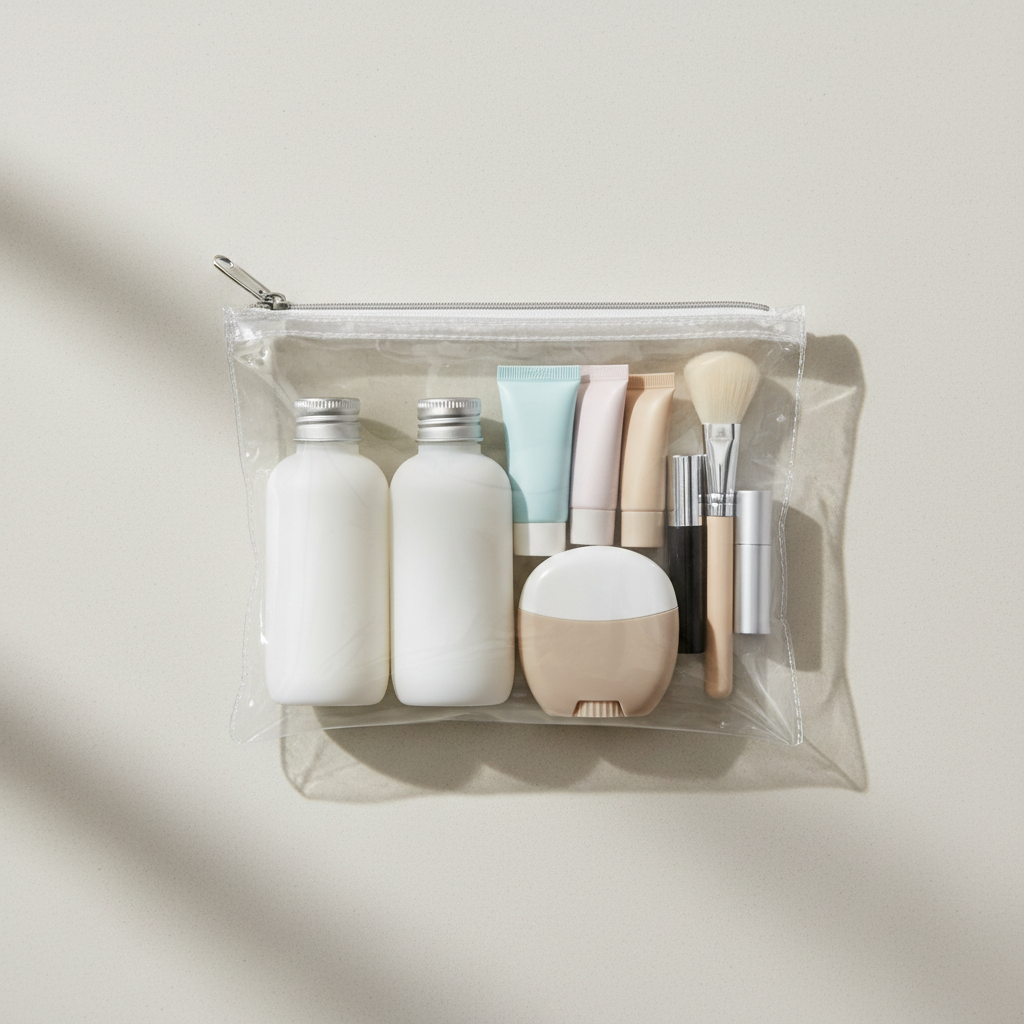
Know the TSA basics (and the loopholes people miss)
Carry-on rules are usually where packing falls apart, because many products “feel” solid but count as liquid or gel at screening. According to TSA, liquids, gels, aerosols, creams, and pastes must follow the 3-1-1 rule for carry-ons.
- 3.4 oz (100 ml) per container, even if the bottle is half empty
- 1 quart-size clear bag for those containers
- 1 bag per traveler
What surprises people: sunscreen, hair pomade, liquid foundation, toothpaste, and many “balm” textures often get treated as gels/creams. When in doubt, assume it goes in the quart bag.
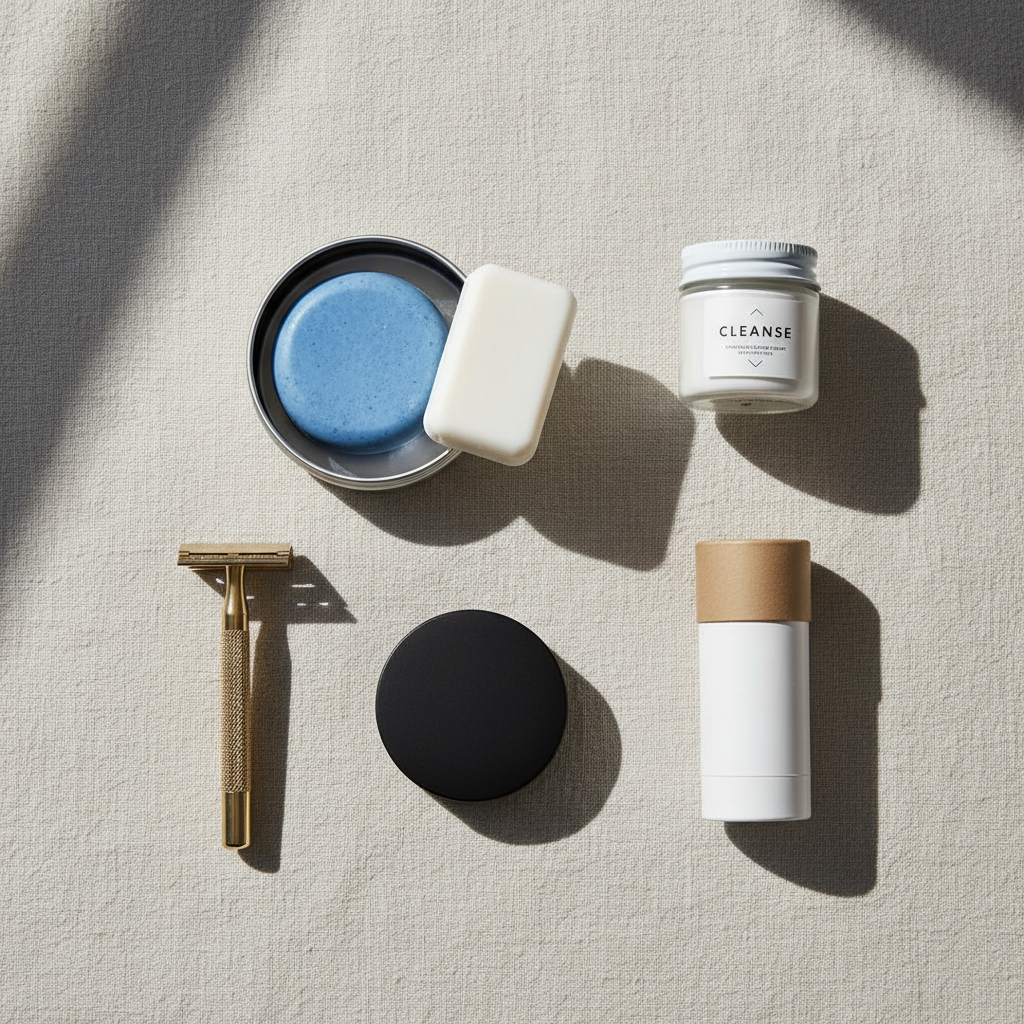
Also worth knowing, solid formats (bar shampoo, powder cleanser, powder deodorant, pressed powder makeup) usually avoid the liquids limit, which is why frequent flyers lean on them.
Why travel minis leak, explode, or get wasted
Most issues come from physics and packaging, not your packing skills. Cabin pressure changes can push product out, and thin caps plus overfilled bottles create a mess.
- Overfilling: leaving no air space makes expansion more likely
- Weak closures: flip-tops and “hotel bottle” caps loosen in transit
- Thin plastic: flexible bottles can get squeezed in a tight bag
- Oil-based products: can creep through threads and seams more easily
Waste happens too. Many people pack five-step skincare for a two-day trip, then bring it home untouched. A tighter plan usually wins: cleanse, moisturize, SPF, one targeted treatment, and a simple makeup set.
Quick self-check: what kind of traveler are you?
Before you buy a dozen tiny bottles, pick the profile that matches your trip. It saves money and prevents that “why did I bring this” feeling on day two.
Use this checklist
- Trip length: 1–3 days, 4–7 days, 8+ days
- Destination climate: dry, humid, cold, high sun exposure
- Plans: work meetings, weddings/events, outdoor time, gym
- Skin/hair needs: acne-prone, eczema tendency, curly hair, color-treated
- Your tolerance for substitutes: okay with hotel shampoo, or no way
If you’re traveling for an event, pack what you already trust. If it’s casual travel, you can usually simplify more than you think.
Build a carry-on kit that actually works (by category)
Here’s a practical way to think about travel size beauty products: pick the smallest format that still feels like your routine, and prioritize items that are hard to replace mid-trip.
Skincare
- Cleanser: consider a solid cleansing bar or powder cleanser to save liquid space
- Moisturizer: decant into a small jar, but avoid filling to the rim
- SPF: pack in the quart bag; if you burn easily, bring enough for reapplication
- Actives (retinoid/acids): only bring if you’ll use them; travel can already stress skin
Haircare
- Shampoo/conditioner: solid bars travel well; liquids need truly leakproof caps
- Styling: a small cream or serum is often enough; hairspray counts as aerosol
- Tools: heat tools add weight; if you bring one, simplify products
Makeup
- Base: tinted moisturizer or concealer can replace a full foundation setup
- Eyes: one small palette or a stick shadow keeps it easy
- Cheeks/lips: a multi-use stick reduces clutter, but it may still be treated as a cream
Body and hygiene
- Deodorant: solid stick saves quart-bag space
- Toothpaste: keep it small; it counts as a paste
- Fragrance: atomizers are convenient, but they can leak; keep them upright if possible
What to buy: containers, minis, and solid swaps (with a comparison table)
The best setup depends on how often you travel. Frequent flyers usually mix a few refillable containers with a couple of true minis for convenience.
| Option | Best for | Pros | Watch-outs |
|---|---|---|---|
| Brand travel minis | Short trips, sensitive skin | Easy, labeled, often stable formulas | More expensive per ounce, still can leak |
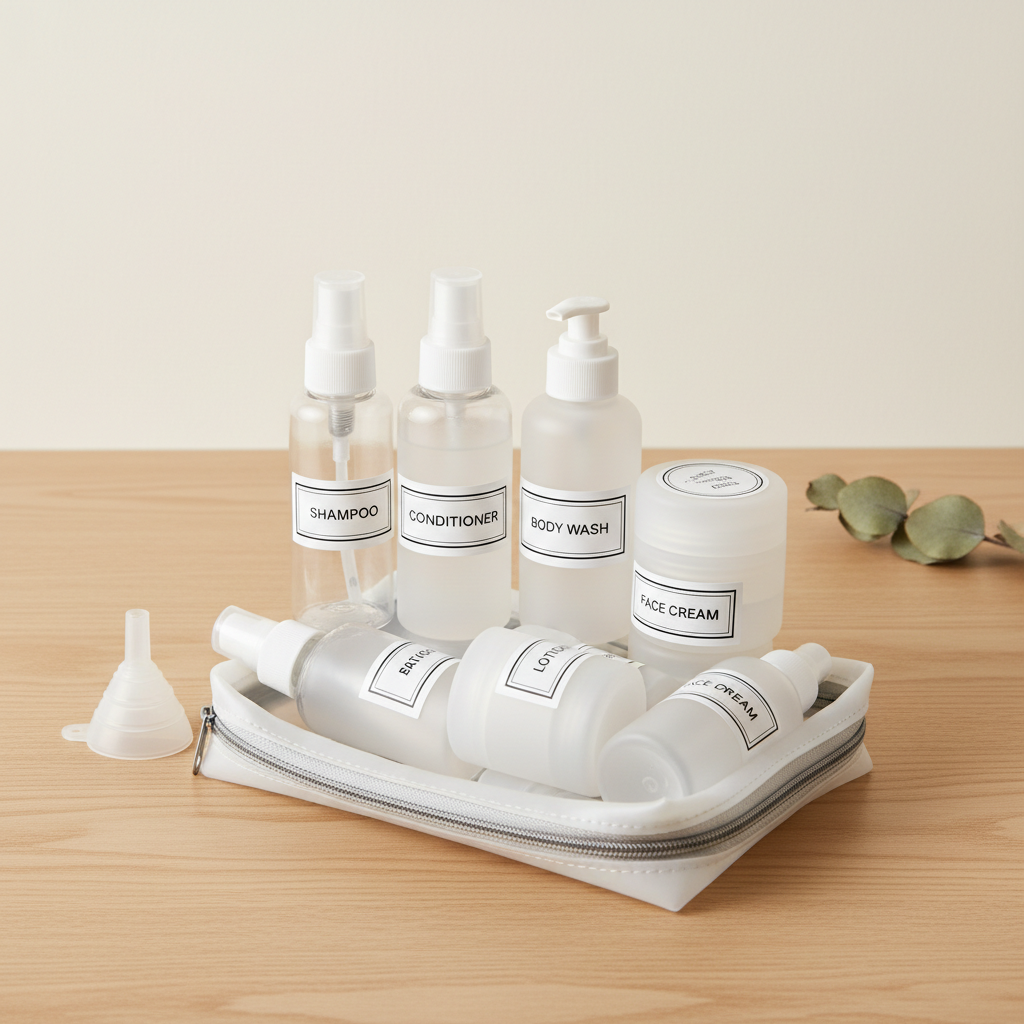
| Refillable leakproof bottles | Regular travelers | Cost-effective, choose your own products | Needs labeling, cleaning, and smart filling |
| Silicone jars for creams | Moisturizer, masks | Durable, squeezable | Some oils can seep over time |
| Solid alternatives (bars, powders) | Ultralight packing | Usually TSA-friendly, fewer leaks | May feel different on hair/skin, needs a dry case |
| Contact lens cases (for tiny amounts) | 1–2 nights, sampling | Very small, cheap | Not ideal for longer trips, easy to mix up |
One small habit that pays off: label everything. In a hotel bathroom at 6 a.m., “mystery white cream” becomes a bad game fast.
Step-by-step: pack your liquids bag so security is painless
This is the part that looks simple and still goes wrong. A few small choices keep your travel size beauty products from turning into a bottleneck at the checkpoint.
- Use a true quart-size clear zip bag, not an oversized pouch that “seems close enough”
- Group by texture: put the leakiest items together so you can spot issues quickly
- Leave headspace in bottles and tighten caps, then add a thin layer of plastic wrap under the cap if you know a product creeps
- Keep it accessible: place the bag near the top of your carry-on
- Pack solids outside the quart bag: saves liquid capacity for SPF and essentials
If you carry any prescription skincare or medically necessary liquids, rules can differ. According to TSA, medically necessary liquids are allowed in reasonable quantities, but screening may involve extra steps, and it’s smart to keep them separate and clearly labeled.
Common mistakes that make your kit bigger (and less useful)
More products rarely equals better travel. What usually helps is choosing a few flexible items and keeping backups realistic.
- Packing duplicates: bringing both cleanser wipes and cleanser gel, then not using either
- Ignoring climate: skipping richer moisturizer for a dry destination, then buying something random
- Overcommitting to “new to you” minis: travel is not the best time to test strong actives or fragranced products if you react easily
- Forgetting tools: no tweezers, no sponge, no brush, then overpacking product to compensate
If you have sensitive skin, eczema, or ongoing acne treatment, a trip can trigger irritation. For anything that feels medical, it’s reasonable to ask a dermatologist or pharmacist what’s safe to pause or swap.
Key takeaways (so you can pack in 10 minutes)
- Assume creams, pastes, and balms count as liquids and plan your quart bag around them.
- Prioritize SPF, moisturizer, and one dependable cleanser, everything else earns its spot.
- Leakproof containers + headspace beat “tiny bottle” every time.
- Solid alternatives keep your liquids bag from overflowing.
- Pack what you’ll use, not what you own.
If you want one simple action today, pick your next trip length and build a default kit for it, then adjust by destination. Once you’ve done that once, packing gets dramatically faster, and your carry-on stays lighter.
FAQ
What counts as “liquid” for TSA when it comes to beauty products?
In practice, many creams, gels, pastes, and aerosols get treated as liquids at screening, including toothpaste, sunscreen, and liquid makeup. If it can smear or squeeze out, plan to put it in the quart bag.
Can I bring full-size makeup in my carry-on?
Powder products usually cause fewer issues, but liquid foundation, cream blush, and mascara can fall under the 3.4 oz rule. When you’re unsure, check TSA guidance for that item type and keep it in your liquids bag.
How do I stop travel bottles from leaking on a plane?
Don’t fill to the top, use containers designed to be leak resistant, and keep your most failure-prone items in a secondary zip bag. Some travelers also add plastic wrap under the cap for extra insurance.
Are shampoo bars and soap bars better than travel-size bottles?
Often, yes, especially for carry-on-only travel because they don’t consume liquid allowance and they rarely leak. The tradeoff is that some hair types prefer specific liquid formulas, so it’s a personal call.
Do I need to put deodorant in the quart-size bag?
Solid stick deodorant usually stays out of the liquids bag. Gel deodorants may be treated like gels, so if yours is a wet formula, consider placing it with liquids to avoid delays.
How many travel-size skincare products should I pack for a 3-day trip?
Most people can cover it with cleanser, moisturizer, SPF, and one optional treatment or makeup remover option. If you’re flying for an event, add the products that help makeup sit well, but keep the rest minimal.
Is it safe to decant products into contact lens cases?
It works for very short trips, but be careful about hygiene and mix-ups, especially with active skincare. If you have eye sensitivity or skin conditions, a more appropriate container and professional advice may be safer.
If you’re trying to streamline carry-on packing, a small set of refillable, leak-resistant containers plus a few reliable travel minis can be a more “set it and forget it” approach, especially once you’ve dialed in what you truly use on the road.