
Solid shampoo bar travel works best when you treat the bar like gear, not like a “soap you toss in a bag.” Pack it right, let it dry, and you can skip leaks, cut plastic, and still keep hair feeling normal on the road.
This matters more than people expect, because the annoying parts usually hit mid-trip: a mushy bar, a damp toiletry bag, scalp irritation from a formula that felt fine at home, or a “wait, can I bring this through TSA?” moment in line.
I’ll walk through what typically goes wrong, how to choose the right bar for your hair and destination, and a simple packing routine that holds up for weekend getaways, long-haul flights, and outdoorsy eco trips.
Why solid shampoo bars are a strong fit for eco trips (and when they aren’t)
The upside is straightforward: no liquid bottle, less packaging, and usually less space in your kit. Many bars also last longer per ounce than you’d guess, especially if you keep them dry between uses.
But there are trade-offs, and pretending otherwise is how people give up after one sticky, waxy trip.
- Hard water and mineral buildup: In some areas, bars can leave hair feeling coated. It’s not “you did it wrong,” it’s chemistry plus local water.
- Very dry climates: Some formulas feel stripping, especially if you already deal with frizz or a sensitive scalp.
- Ultra-humid travel: Your bar may stay damp and soften, which wastes product and gets messy fast.
On the compliance side, solid bars are generally easier for flying because they aren’t liquid or gel. According to TSA, solid toiletries are typically allowed in carry-ons and don’t need to fit the 3-1-1 liquids bag, but policies can change and edge cases exist, so checking the latest guidance before you fly is still smart.
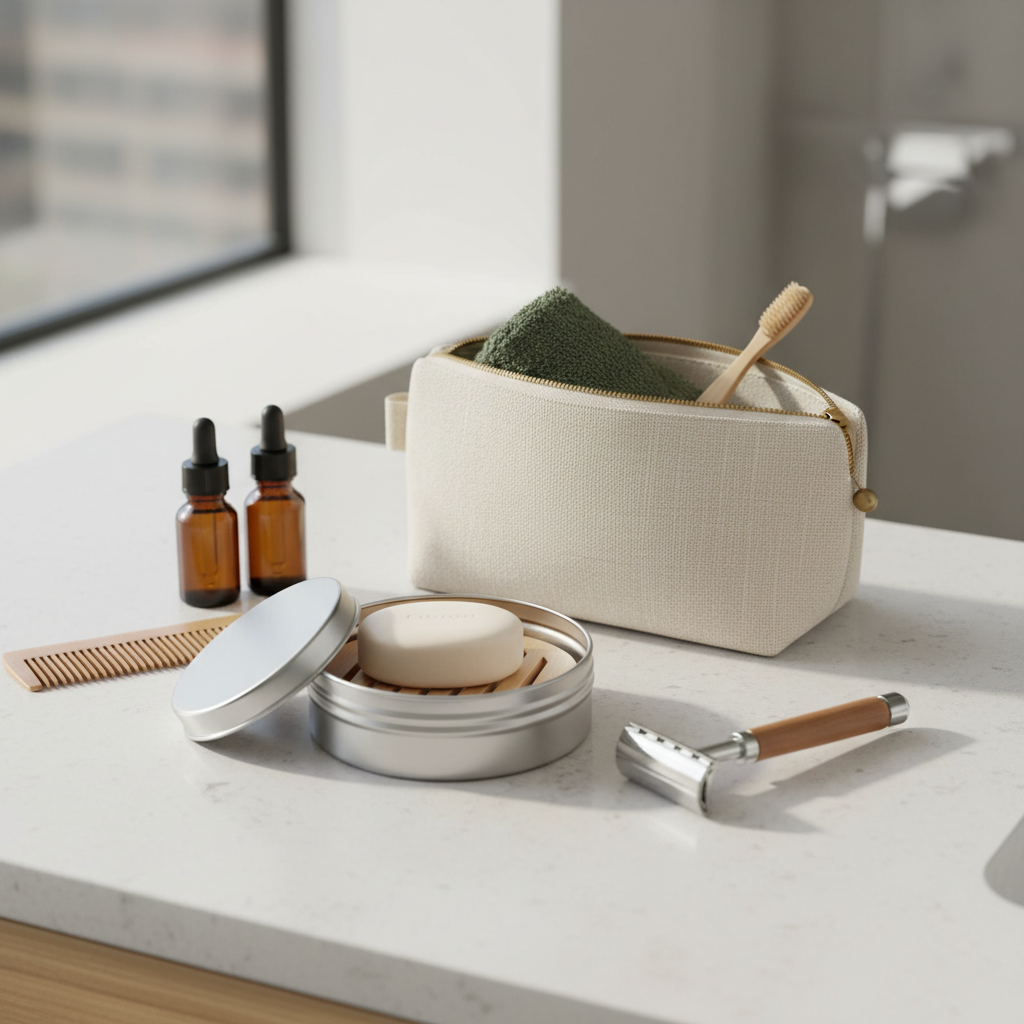
A quick self-check: what kind of bar traveler are you?
Before you buy anything new, decide which scenario you’re actually in. Most frustration comes from a mismatch between hair needs, trip conditions, and storage.
- Carry-on only flyer: You want fast drying, no scent bomb, and a case that won’t set off “what is that?” curiosity.
- Road trip / hotel hopper: You can bring a slightly bigger case and a backup rinse or conditioner option.
- Backpacking / camping: You need durability, minimal weight, and to be mindful about where runoff goes.
- Sensitive scalp traveler: Fragrance and strong surfactants can be a problem, even if the bar seems “natural.”
If you’ve tried a bar once and hated it, don’t write off the category yet. In practice, switching from a soap-based bar to a shampoo bar (syndet) or adding a simple rinse step changes the outcome for a lot of people.
Choosing a bar that won’t wreck your hair mid-trip
Not all “shampoo bars” behave the same. The label matters, but ingredient style matters more.
Soap-based vs. shampoo (syndet) bars
- Soap-based bars often use saponified oils. They can feel squeaky-clean, but in harder water they may leave residue.
- Syndet bars use mild cleansing agents designed for hair, often closer to how bottled shampoo works.
If your trips include hard-water cities or you color-treat your hair, a syndet-style bar often feels more predictable. If you love a minimalist ingredient list and your hair tolerates it, soap-based can still work, just plan for occasional buildup management.
Match the bar to your destination
- Hot + humid: prioritize a harder, denser bar and a ventilated case to reduce mush.
- Cold + dry: look for a gentler cleanser and consider pairing with a conditioner bar or light leave-in.
- Long trips: bring a smaller “travel cut” bar so the main bar stays at home, cleaner and drier.
Fragrance is another big one. “Essential oil scented” still counts as fragrance, and if your scalp reacts, it may be worth choosing a low-scent option and testing at home first.
Packing that stays clean: cases, drying, and leak-free routines
The core rule is boring but it’s the difference-maker: a bar should travel dry or travel ventilated. Putting a wet bar into a sealed tin is how you get mush, slime, and that soapy film on everything.
Best storage options (real-world pros and cons)
| Storage option | Why people like it | What can go wrong |
|---|---|---|
| Vented travel tin (with insert) | Compact, clean, bar dries faster | If vents are tiny, it may still stay damp in humidity |
| Reusable silicone case | Flexible, easy to rinse | Often seals moisture in, bar gets soft |
| Soap saver bag (mesh/sisal) | Lightweight, hangs to dry | Can drip in shared bathrooms, not great for carry-on organization |
| DIY wax paper + rubber band | Cheap, works in a pinch | Gets soggy fast, not durable for multi-stop trips |
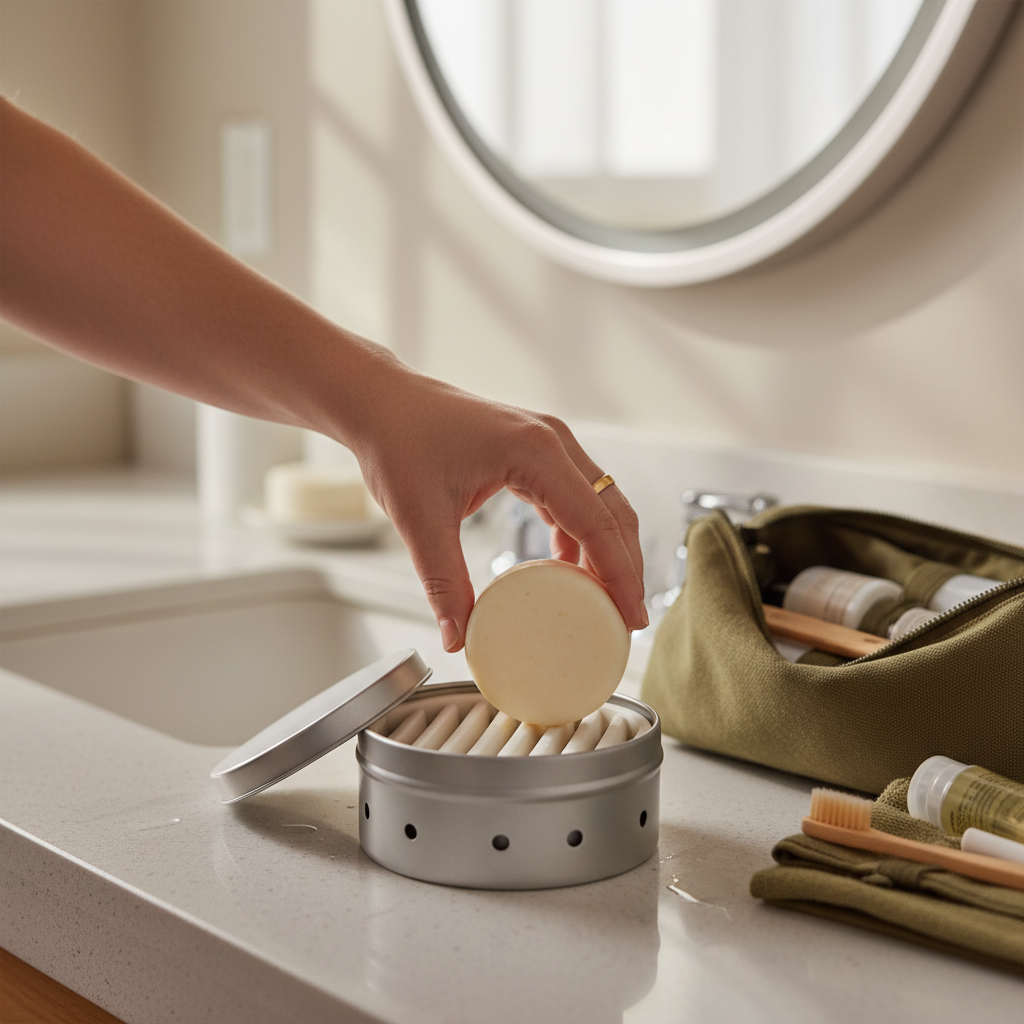
A simple 60-second routine that prevents “bar sludge”
- After showering, shake off excess water and give the bar 10–20 seconds in open air.
- Pat the outside quickly with a towel if it’s dripping, you’re not trying to dry the whole bar, just remove surface water.
- Store it in a ventilated case, or leave the case open for a few minutes while you pack.
- If you’re rushing to checkout, keep the bar in a mesh bag on the outside of your pack for the first hour, then move it inside once it firms up.
For solid shampoo bar travel, that tiny routine matters more than buying a “fancier” bar.
Using a shampoo bar on the road: technique tweaks that actually help
Most people use too much product at first. Bars are concentrated, and overloading your hair makes rinse-out harder, especially with low-pressure hotel showers.
Application tips for different hair types
- Fine or easily oily hair: lather in hands, then apply foam to scalp, keep lengths lighter.
- Thick or curly hair: work in sections, focus on scalp, let suds run through lengths while rinsing.
- Long hair: avoid vigorous rubbing on the ends, that’s where tangles start.
If your hair feels “waxy,” try a longer rinse and use less bar next time. If buildup keeps showing up across multiple washes, that’s a sign to switch formulas or add an occasional clarifying step.
Eco travel realities: water, wildlife, and what “biodegradable” can’t promise
Eco trips come with a responsibility piece that gets glossed over in cute packing videos. “Biodegradable” doesn’t automatically mean “safe to use anywhere,” and environmental impact depends on concentration, location, and runoff.
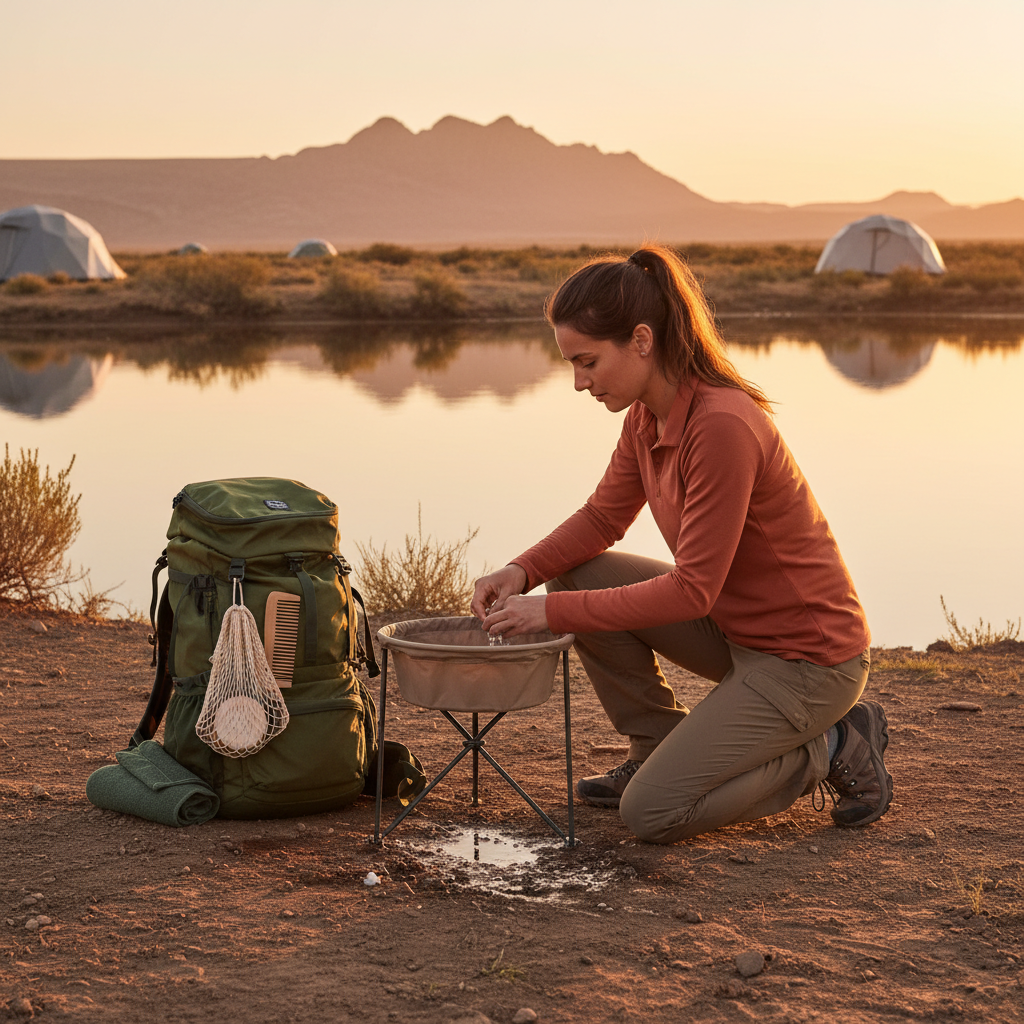
According to the National Park Service, it’s generally recommended to wash yourself and dishes at least 200 feet from lakes and streams, and to pack out waste where required. Rules vary by park and region, so checking local guidance matters, even when your product sounds eco-friendly.
- In backcountry settings, use small amounts, disperse wastewater properly, and follow local regulations.
- In established campgrounds, use designated facilities when available.
- If you have skin conditions, consider asking a healthcare professional what ingredients to avoid, especially when you’ll be sweating and washing more often.
Troubleshooting: common problems and quick fixes
When solid shampoo bar travel goes sideways, it usually falls into a few buckets. Here are fixes that don’t require a total reset.
- Bar turns mushy: switch to a ventilated case, cut the bar into smaller pieces, let it air-dry longer before packing.
- Hair feels coated: rinse longer, reduce product, consider a periodic clarifying wash, or try a syndet bar if you’re using soap-based.
- Scalp feels itchy: fragrance can be a trigger, so try a low-scent option; if irritation persists, stop use and consider professional advice.
- Bar “melts” in a hot car: keep it out of direct sun and store inside a pouch rather than a dashboard bag.
- Too much friction/tangles: lather in hands, don’t scrub ends, pair with conditioner bar or a small leave-in.
Key takeaways + a simple packing checklist
Here’s the practical summary, the stuff you’ll actually remember while packing the night before.
- Pick the right type: syndet bars often feel closer to bottled shampoo, especially in hard water.
- Drying beats hype: a great bar stored wet still becomes a mess.
- Use less than you think: foam first, then apply, rinse longer than at home.
- Eco rules still apply: follow local guidelines for wastewater and washing distance from water sources.
Quick checklist
- Travel-size cut of your bar (tested at home)
- Vented tin or mesh bag
- Small microfiber cloth (optional, for quick surface drying)
- Backup plan: mini conditioner or leave-in for dry climates
Conclusion: make the bar easy, and it stays eco-friendly
Solid shampoo bar travel is at its best when you stop fighting moisture and start managing it, a ventilated case and a small routine do most of the work. Test your bar before a big trip, pack a storage setup that fits your itinerary, and keep your expectations realistic if you’re dealing with hard water or a sensitive scalp.
If you want one action step, do this: cut a small piece, practice two washes at home, then pack that piece with a vented case. That alone prevents most “never again” outcomes.
FAQ
Is a solid shampoo bar allowed in a carry-on?
Usually yes, because it’s a solid item. According to TSA, solid toiletries are generally permitted, but it’s still wise to confirm current rules if you’re carrying unusual containers or additional liquids.
How do I keep my shampoo bar from getting mushy during travel?
Let it air-dry briefly after use and store it in a ventilated container or mesh bag. Sealing a wet bar in an airtight case is the most common reason it turns soft.
Can I use a shampoo bar in hard water areas without buildup?
Often yes, but it depends on the formula and your hair. If you notice coating, use less product, rinse longer, and consider switching to a syndet bar or adding an occasional clarifying wash.
Do shampoo bars work for color-treated hair?
Many people do fine, but not all bars are gentle. Look for milder formulas, test before travel, and if your color fades easily, consider asking your stylist what ingredients to avoid.
What’s the best container for solid shampoo bar travel?
A vented tin with a drying insert tends to balance cleanliness and airflow. Mesh bags dry well too, but they’re less tidy inside a toiletry kit.
Is “biodegradable” shampoo okay to use in lakes or rivers?
It’s still not a good idea. According to the National Park Service, washing should generally happen away from natural water sources, and local regulations may be stricter, so follow site-specific guidance.
What if my scalp gets irritated while using a shampoo bar?
Stop using it and switch back to a product you tolerate. Fragrance or stronger cleansing agents can trigger irritation, and if symptoms persist, it’s reasonable to consult a healthcare professional.
If you’re planning more eco trips and you want a simpler setup, consider building a small “repeatable” kit: one tested bar cut for travel, one ventilated case, and one backup conditioner option for dry destinations, it keeps your routine consistent even when everything else changes.